
THE ROLE OF EQUESTRIAN EVENTS IN THE OLYMPICS
The Significance and Evolution of Equestrian Sports in the Olympic Games.

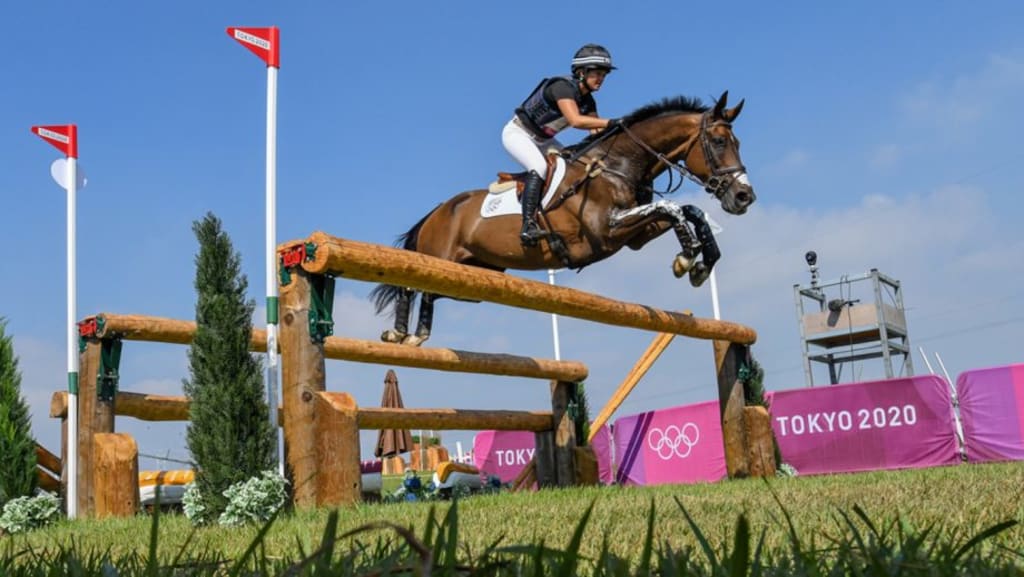
The Role of Equestrian Events in the Olympics
Equestrian events have been a prominent part of the Summer Olympic Games since their inclusion in 1900. These events are unique among Olympic sports due to the involvement of animals, requiring both athleticism and a close bond between horse and rider. Equestrian disciplines include dressage, show jumping, and eventing, each presenting distinct challenges and showcasing the versatility of horses in different environments. The evolution of equestrian sports in the Olympics reflects the changing attitudes toward animals, the development of modern training techniques, and the increasing popularity of horseback riding as a competitive sport.
Early Beginnings and Inclusion in the Olympics
The first Olympic appearance of equestrian sports was at the 1900 Paris Olympics, although it was not a fully integrated part of the Games. In the early 20th century, equestrian events were mainly for male athletes, with no separate categories for women. The Olympics included a range of equestrian disciplines, such as show jumping and dressage, with competition based on horse training and the rider's ability to control the horse.
Equestrian sports became more established at the Olympics in 1912, when the modern Olympic Games in Stockholm officially included the three main disciplines: dressage, eventing, and show jumping. These events involved multiple phases, with dressage testing the rider's ability to guide the horse through a series of precision movements, eventing requiring a combination of dressage, cross-country jumping, and stadium jumping, and show jumping focusing on the horse's ability to clear obstacles while maintaining speed.
Women in Equestrian Sports
Equestrian events were one of the few Olympic sports where women were allowed to compete alongside men in the early days. However, it wasn't until the 1950s that women began to participate more actively in these events. The inclusion of female riders was initially limited, but over time, women have become an increasingly important part of the equestrian Olympic landscape.
In 1952, women were officially allowed to compete in dressage at the Helsinki Olympics. The 1970s saw a major shift in the participation of women in the sport, culminating in 1972 when the International Olympic Committee (IOC) finally approved the inclusion of female athletes in all three Olympic equestrian disciplines. The inclusion of women in Olympic equestrian events helped to level the playing field and enhance the sport’s international appeal.
The Three Equestrian Disciplines
(I)Dressage
Often described as “horse ballet,” dressage is one of the most elegant and precise equestrian disciplines. It focuses on the harmonious relationship between rider and horse, with riders guiding their horses through a series of movements called "tests." The discipline requires extraordinary skill, as the horse must perform movements such as piaffes (a slow, controlled trot), pirouettes, and flying changes in coordination with the rider’s commands. Dressage has been a fixture of the Olympics since 1912, and it is a central event at every Games.
(II)Eventing
Eventing is one of the most demanding and exciting of the equestrian sports, combining dressage, cross-country jumping, and show jumping. Riders must demonstrate their horse's versatility by competing in different environments. Cross-country involves a long course filled with natural obstacles such as ditches, water jumps, and logs, requiring both speed and endurance. Show jumping, which follows the cross-country phase, tests the horse’s ability to clear a series of fences without knocking them down. The combination of these three tests makes eventing a true test of both horse and rider.
(III)Show Jumping
In show jumping, riders guide their horses over a series of obstacles, such as fences and water jumps, within a set time limit. The challenge is to clear the jumps without knocking any poles down or failing to complete the course within the time limit. The sport requires exceptional timing, control, and agility from both the rider and the horse. Show jumping is one of the most popular equestrian disciplines and is frequently featured in Olympic competition.
Equestrian as a Sport for All Ages
Equestrian sports are unique in that they offer opportunities for athletes of all ages. Because the bond between horse and rider is so crucial, experience and understanding of the horse’s behavior can often outweigh physical limitations. Some Olympic equestrian competitors have been in their 50s and 60s, with experience and training playing a vital role in their success.
The Role of Horses in the Olympics
Horses have played an integral part in Olympic equestrian events, and their welfare has become a key consideration in modern competitions. Advances in veterinary care, training methods, and horse safety have improved the quality of Olympic equestrian events. The role of the horse in the Games continues to generate conversation, especially regarding how horses are treated, trained, and managed for high-performance events.
Modern Olympic organizers have worked hard to ensure the humane treatment of horses. Regulations and guidelines are enforced to protect the horses from injury and overexertion. Furthermore, Olympic horses are often highly trained and accustomed to competing in international events, with many having extensive training backgrounds that span years.
Impact of Equestrian Events
Equestrian sports have had a significant influence on the Olympics and the sporting world as a whole. These events showcase the unique partnership between humans and animals, combining athleticism, artistry, and tradition. Furthermore, equestrian sports offer a link between modern Olympic ideals and historical practices, as horseback riding was once central to warfare and noble society.
The role of equestrian events in the Olympics has evolved to include broader representation and equality, with female athletes playing an increasingly important role in the discipline. These sports remain an essential part of the Olympic Games, with the next generation of equestrians eagerly awaiting their moment in the spotlight.
In conclusion, Olympic equestrian events have a storied history and continue to be an important part of the Games. They not only highlight the athleticism of both horse and rider but also serve as a testament to the bond between humans and animals. Whether it is the grace of dressage, the excitement of eventing, or the precision of show jumping, equestrian sports will continue to capture the hearts of viewers worldwide.
About the Creator
Badhan Sen
Myself Badhan, I am a professional writer.I like to share some stories with my friends.
Keep reading
More stories from Badhan Sen and writers in Gamers and other communities.
THE POPULARITY OF THE 100M SPRINT IN THE SUMMER OLYMPICS
The Popularity of the 100m Sprint in the Summer Olympics The 100-meter sprint, often referred to as the “blue ribbon event” of the Summer Olympics, has long captured the attention of millions around the world. Its simplicity, intensity, and the pursuit of the title of the fastest human being on Earth have made it one of the most exciting and prestigious races in the Olympic Games. The history and popularity of the 100m sprint can be attributed to its raw athleticism, its ability to showcase individual greatness, and the cultural significance it holds both within and outside of the athletic world.
By Badhan Senabout a year ago in Gamers
Master the Mists: The Ultimate Enshrouded Console Starter Guide
Embervale is a world buried under a corrupting fog, and as a Flameborn, you are the only thing standing between humanity and extinction. With the official console launch finally here in 2026, players on PlayStation 5 and Xbox Series X|S are stepping into the Shroud for the first time.
By Richard Bailey6 days ago in Gamers


Comments (2)
Hey, just wanna let you know that this is more suitable to be posted in the Unbalanced community 😊
What a great technical article on these events. I liked watching all of them especially the show jumping.