
THE POPULARITY OF THE 100M SPRINT IN THE SUMMER OLYMPICS
The Global Phenomenon of the 100M Sprint in the Summer Olympics

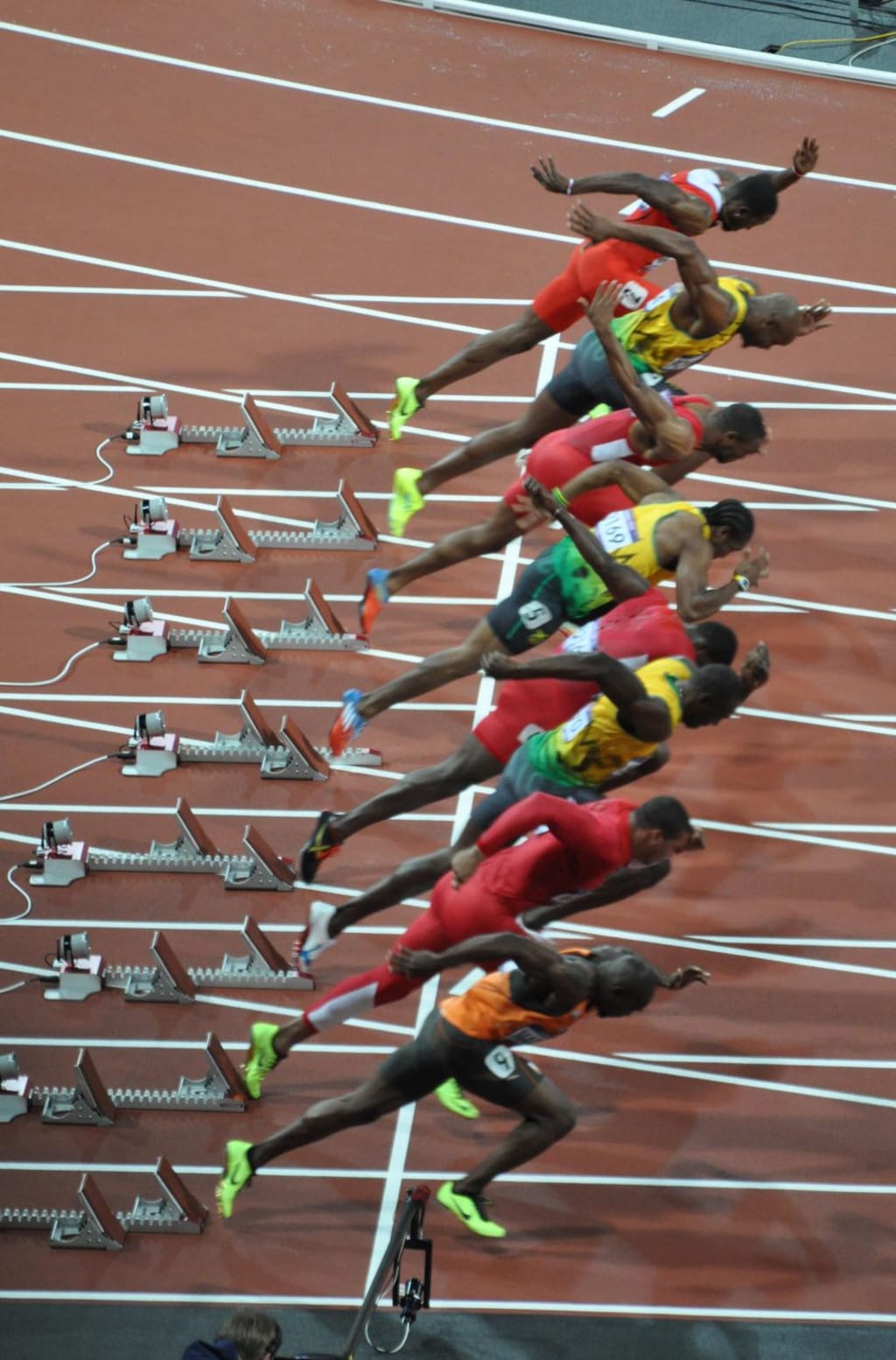
The Popularity of the 100m Sprint in the Summer Olympics
The 100-meter sprint, often referred to as the “blue ribbon event” of the Summer Olympics, has long captured the attention of millions around the world. Its simplicity, intensity, and the pursuit of the title of the fastest human being on Earth have made it one of the most exciting and prestigious races in the Olympic Games. The history and popularity of the 100m sprint can be attributed to its raw athleticism, its ability to showcase individual greatness, and the cultural significance it holds both within and outside of the athletic world.
The History and Significance of the 100m Sprint
The 100-meter sprint was first introduced to the modern Olympic Games in 1896, during the inaugural Athens Olympics. Since then, it has been a central part of every Summer Olympic Games. Over the years, the event has become synonymous with Olympic glory, as winning the 100m final often elevates an athlete to global stardom. The race is the ultimate test of an athlete's speed, endurance, and precision. The sheer excitement that surrounds this event stems from the fact that it lasts less than 10 seconds, but within that short period, athletes push their bodies to the absolute limit.
The event itself is simple: competitors sprint a straight line for 100 meters. However, the pressure and intensity of the race, combined with the history of legendary performances, have made it a spectacle. The race’s popularity is magnified by the fact that sprinters are often seen as symbols of national pride. In the 100m sprint, the gold medalist often becomes a hero, not only for their speed but for their ability to embody the hopes and dreams of their nation.
The Rise of Sprinting Legends
Throughout the history of the Olympics, there have been several sprinting legends who have shaped the way the 100-meter event is viewed. Perhaps the most famous of them all is Usain Bolt, the Jamaican sprinter who dominated the 100m race at three consecutive Olympics (2008, 2012, and 2016). Bolt's charismatic personality, his lightning-fast runs, and his world records have brought a new level of global attention to the event. He set the world record for the 100 meters at the 2009 Berlin World Championships, running an astonishing 9.58 seconds. This moment, captured for the world to see, solidified his place as the greatest sprinter of all time.
Other iconic sprinters, such as Carl Lewis, Jesse Owens, and Florence Griffith-Joyner, have also left an indelible mark on the 100m event. Carl Lewis, with his four gold medals in the 100 meters between 1984 and 1996, showcased the endurance and mental fortitude needed to succeed over several Olympic cycles. Jesse Owens’ performance in the 1936 Berlin Olympics, where he won four gold medals, is particularly significant due to the racial and political climate of the time. Owens not only triumphed on the track but also defied Nazi ideology, becoming a global symbol of resistance.
The Thrill of the 100m Sprint
The 100-meter sprint is one of the most thrilling events in athletics because of its quick pace and the immediate results. Unlike events that require longer times to conclude, the 100m race is over in the blink of an eye. This rapid, high-stakes competition captivates fans and keeps them on the edge of their seats. The drama of the event is often heightened by close finishes, false starts, and the athletic prowess displayed by the runners.
Moreover, the 100m sprint is often accompanied by extensive media coverage, providing viewers with an almost real-time experience. Slow-motion replays, camera angles capturing the runners at different stages of the race, and pre- and post-race analysis contribute to the spectacle. The excitement of watching these athletes compete against the clock and each other creates a sense of unity among spectators, both at the venue and around the world.
Global Cultural Impact
The 100-meter sprint transcends the sport itself. The winners of this race become cultural icons, with their names and records being remembered long after their Olympic careers have ended. Usain Bolt’s playful and charismatic demeanor, combined with his victories, made him a beloved figure both within the track and field community and globally. He inspired a new generation of athletes, particularly in countries where sprinting is not traditionally a dominant sport. Similarly, Florence Griffith-Joyner, known as "Flo Jo," became an iconic figure due to her athleticism and her unique style, which included her signature one-legged racing suits.
Beyond the athletes, the 100m sprint serves as a reflection of the social and political context of the times. Races often become political statements, such as when Tommy Smith and John Carlos raised their fists in a Black Power salute at the 1968 Mexico City Olympics. These moments give the event a broader significance, making it a powerful tool for social change and representation.
The 100m Sprint in the Modern Olympics
The importance and popularity of the 100-meter sprint in modern Olympic Games have only grown with time. With the rise of global media, social media, and the internet, the Olympic Games, and the 100m sprint in particular, have garnered more attention than ever. As the Games have evolved, so has the visibility of the athletes, making their personal stories and records a source of inspiration for millions of people worldwide.
In the context of the 2020 Tokyo Olympics and the upcoming Paris 2024 Games, the 100m sprint continues to hold immense significance. The race has seen new talent emerge, with athletes like Shelly-Ann Fraser-Pryce and Elaine Thompson-Herah from Jamaica, and Christian Coleman from the U.S., further elevating the stature of this iconic event.
Conclusion
The 100-meter sprint is more than just an athletic event – it is a global phenomenon. Its short duration, the quest for speed, and the legacies of iconic athletes have made it a symbol of human achievement and excellence. The race continues to capture the imagination of fans worldwide, and its popularity shows no signs of waning. Whether it is the pursuit of a world record, the triumph of a nation, or the display of sheer human power and determination, the 100m sprint will undoubtedly remain one of the defining events of the Olympic Games for generations to come.
About the Creator
Badhan Sen
Myself Badhan, I am a professional writer.I like to share some stories with my friends.
Keep reading
More stories from Badhan Sen and writers in Gamers and other communities.
THE INCLUSION OF SKATEBOARDING IN THE TOKYO OLYMPICS
The Inclusion of Skateboarding in the Tokyo Olympics The 2020 Summer Olympics in Tokyo marked a significant milestone in the history of the Games, as skateboarding was introduced as an official Olympic sport for the first time. This inclusion reflected the evolving nature of the Olympics, which has continually embraced new sports and disciplines to attract younger audiences and diversify the competition. The decision to add skateboarding was part of the International Olympic Committee's (IOC) efforts to modernize the Games and keep up with global sports trends.
By Badhan Senabout a year ago in Gamers
Stardew Valley Friendship Decay: How the 1.7 Social Update Changes Everything
Relationships in Pelican Town have always been a delicate dance of daily greetings and carefully selected gifts. You spend seasons chasing down Sebastian in his basement or waiting for Haley by the fountain, all to see those little red hearts fill up.
By Richard Bailey5 days ago in Gamers


Comments (2)
Hey, just wanna let you know that this is more suitable to be posted in the Unbalanced community 😊
Good work. It would be something to become the fastest person on Earth.