
THE RISE OF CURLING IN THE WINTER OLYMPICS
From Niche Sport to Global Phenomenon

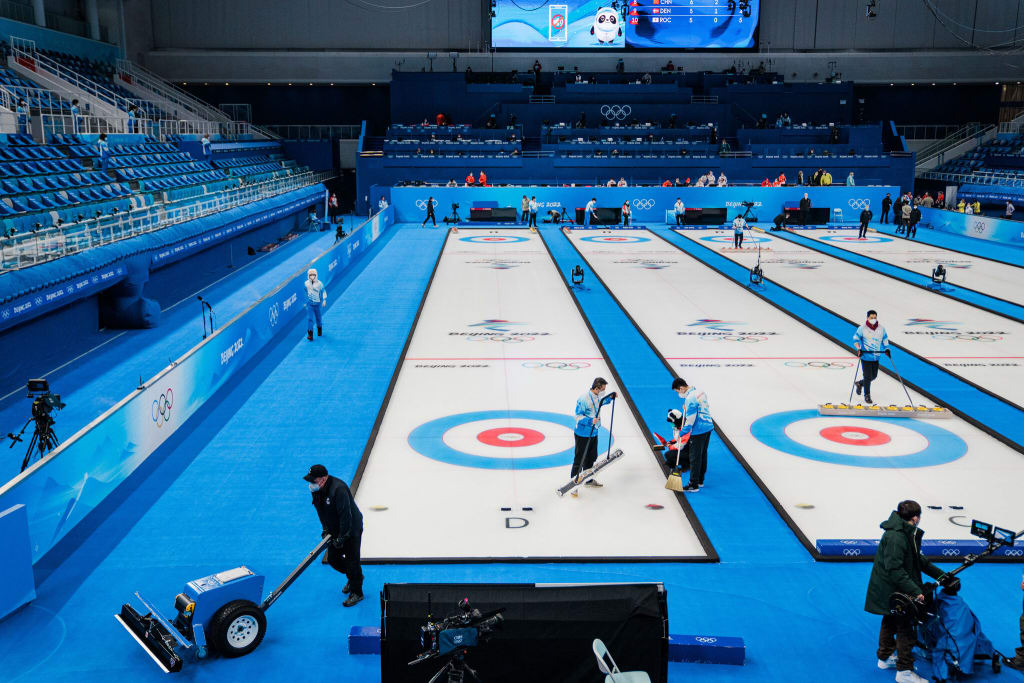
Curling, often referred to as "chess on ice," is a sport that has steadily grown in popularity, particularly in the Winter Olympic Games. While it might not be as widely known as sports like hockey or skiing, curling has carved out a niche for itself with its strategic depth and unique appeal. Its journey to Olympic recognition and subsequent rise in prominence tells a fascinating story of tradition, perseverance, and global growth.
Origins and Early History of Curling
Curling has deep roots in Scotland, where the game originated in the early 16th century. Historical records suggest that the first curling stones were used on frozen ponds and lochs, with early players using natural stones with flat surfaces. By the 17th century, the sport had evolved to involve teams of players sliding the stones toward a target area, known as the "house," on a sheet of ice.
The game quickly spread from Scotland to other countries, notably Canada, where it gained a solid footing and where modern curling developed. The establishment of the first curling club in Canada in 1807 helped formalize the sport, and by the late 19th century, curling had become an organized activity with the creation of official rules and governing bodies. The Scottish influence on curling is still apparent today, with many curling traditions originating from this period.
Curling’s Olympic Debut
Despite its long history, curling was not initially part of the Winter Olympics. The sport had to wait for the International Olympic Committee (IOC) to officially recognize it, which took time due to its niche status. Curling made its Olympic debut as a demonstration sport at the 1924 Winter Olympics in Chamonix, France. Though it was not included in the medal events, its appearance sparked interest in the game among countries with strong ice sports traditions.
It was not until the 1998 Nagano Winter Olympics in Japan that curling was officially introduced as a medal event. The decision to include curling in the Olympic program came after efforts by countries with a strong curling heritage, particularly Canada and Sweden, which lobbied for the sport's inclusion. In 1998, curling was finally recognized as a full Olympic event for both men’s and women’s teams.
Growth in Popularity and Competitiveness
Once curling became an official Olympic sport, its global reach and popularity grew substantially. The first Olympic gold medal in curling was awarded to the men's team from Canada in 1998, and the first women's curling gold medal was claimed by the Swiss team in 2002. These early successes helped to further elevate the profile of curling on the global stage.
In the years that followed, the sport continued to evolve, with new countries beginning to develop competitive curling programs. Teams from countries such as Switzerland, Sweden, and Norway became perennial Olympic contenders, while nations like the United States, South Korea, and Japan began to establish themselves as competitive forces as well.
The growth of curling can be attributed to several factors, including the increasing accessibility of ice rinks and the development of curling infrastructure worldwide. While curling has deep roots in countries with cold climates, the sport's widespread popularity has transcended these traditional borders. Nations without a long curling history, such as China, have made significant investments in the sport, establishing national programs and creating teams that are increasingly competitive on the world stage.
The widespread media coverage of Olympic curling events has also played a crucial role in boosting the sport’s popularity. The Winter Olympics' prime-time broadcasts allow curling to reach a wide audience, and the relatively short duration of curling matches makes them ideal for television. Events like the men’s and women’s curling finals often attract millions of viewers, particularly in curling-mad countries like Canada.
The Evolution of the Game
In the years since curling's Olympic inclusion, the sport has undergone a number of rule changes and innovations to make the game faster and more exciting for audiences. For example, the introduction of "curling stones" made from special granite, changes to the rules governing the speed and trajectory of the stones, and the evolution of the ice surface have all contributed to making the game more competitive and appealing.
Another significant development in Olympic curling has been the growth of mixed-gender curling events. The introduction of mixed doubles curling at the 2018 Winter Olympics in Pyeongchang, South Korea, brought a fresh dynamic to the sport. This format features teams of two, one male and one female, and offers a quicker, more action-packed version of the game. Mixed doubles has quickly gained popularity among both players and fans, and the event is expected to be a mainstay in future Olympics.
The Global Reach and Legacy of Curling
Curling’s journey from a Scottish pastime to an Olympic sport has contributed to its evolution into a global phenomenon. The Winter Olympics have played a significant role in promoting the sport worldwide, and curling's increasing popularity has led to greater investment in curling programs, particularly in countries like South Korea and China.
One of the sport's enduring legacies is its role in promoting inclusivity and sportsmanship. Curling emphasizes teamwork, precision, and sportsmanship, and its reputation for fostering a respectful and friendly competitive atmosphere has earned it the moniker of the “Roaring Game.”
As the sport continues to evolve and more nations join the ranks of top curling countries, the future of curling in the Olympics looks bright. With the sport’s increasing visibility, it is expected that curling will continue to grow in popularity, reaching new audiences and inspiring future generations of athletes.
Conclusion
The rise of curling in the Winter Olympics represents more than just the evolution of a sport; it is a testament to the power of tradition, perseverance, and global unity. From its humble beginnings in the frozen lochs of Scotland to its place as a major Olympic event, curling has proven that with the right mix of strategy, skill, and sportsmanship, even the most niche sports can captivate a global audience.
About the Creator
Badhan Sen
Myself Badhan, I am a professional writer.I like to share some stories with my friends.
Keep reading
More stories from Badhan Sen and writers in Gamers and other communities.
THE GROWTH OF FREESTYLE SKIING
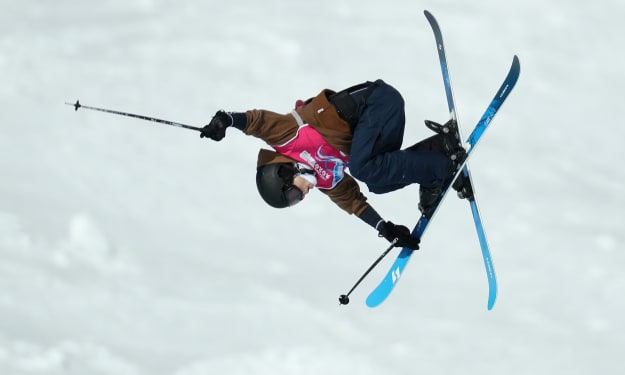
The Growth of Freestyle Skiing: From Niche Sport to Olympic Glory Freestyle skiing, once a niche and rebellious offshoot of traditional alpine skiing, has blossomed into one of the most exciting and widely watched disciplines in the Winter Olympics. Its growth can be attributed to both its evolution as a sport and the increased visibility and popularity gained through the Olympic Games. Today, it’s an integral part of the Winter Olympics, captivating audiences with gravity-defying stunts and innovative performances.
By Badhan Senabout a year ago in Gamers
Master the Mists: The Ultimate Enshrouded Console Starter Guide
Embervale is a world buried under a corrupting fog, and as a Flameborn, you are the only thing standing between humanity and extinction. With the official console launch finally here in 2026, players on PlayStation 5 and Xbox Series X|S are stepping into the Shroud for the first time.
By Richard Bailey5 days ago in Gamers
Center Stage with Paul Stewart
*** I'm keen to republish the interviews I did for my series with Vocal creators. It's been a few years and I thought it might be nice to revisit these wonderful conversations. I'll be releasing them one at a time for a few weeks/months.
By Heather Hubler3 days ago in Interview



Comments (1)
Hey, just wanna let you know that this is more suitable to be posted in the Unbalanced community 😊