
THE GROWTH OF FREESTYLE SKIING
From the Slopes to Olympic Glory:The Rise of Freestyle SKiing

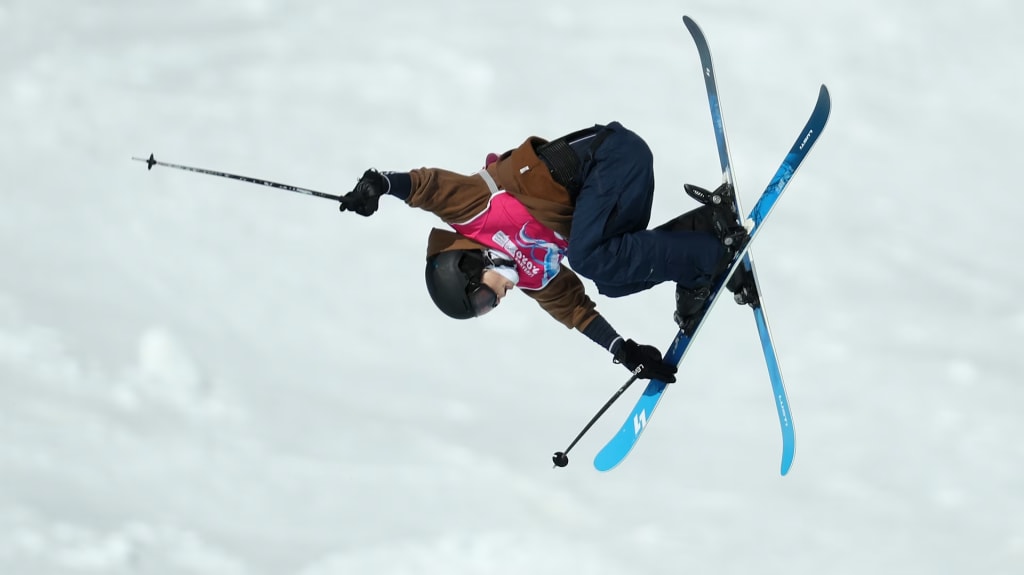
The Growth of Freestyle Skiing: From Niche Sport to Olympic Glory
Freestyle skiing, once a niche and rebellious offshoot of traditional alpine skiing, has blossomed into one of the most exciting and widely watched disciplines in the Winter Olympics. Its growth can be attributed to both its evolution as a sport and the increased visibility and popularity gained through the Olympic Games. Today, it’s an integral part of the Winter Olympics, captivating audiences with gravity-defying stunts and innovative performances.
Early History of Freestyle Skiing
The origins of freestyle skiing can be traced back to the 1930s in the United States, where skiers began incorporating tricks and aerial maneuvers into their runs. However, it was not until the 1960s and 1970s that the sport began to gain significant traction. The emergence of skiers like American pioneer Wayne Wong and the establishment of freestyle events at regional competitions helped shape the sport’s early development.
During this period, freestyle skiing was categorized primarily into two sub-disciplines: mogul skiing and aerial skiing. Mogul skiing involves navigating a series of bumps (moguls) while performing jumps, spins, and turns. Aerial skiing, on the other hand, involves skiers launching off jumps to perform acrobatic tricks in mid-air before landing smoothly. These two disciplines set the stage for the modern version of freestyle skiing that would eventually gain Olympic recognition.
Freestyle Skiing’s Introduction to the Winter Olympics
Freestyle skiing made its debut at the 1988 Calgary Winter Olympics, albeit as a demonstration sport. This early inclusion was part of an effort to highlight more dynamic, youthful sports and appeal to a broader, more diverse audience. While the demonstration events were an important step for the sport, it wasn’t until the 1992 Winter Olympics in Albertville, France, that freestyle skiing was officially included as a medal event. Mogul skiing was the first discipline to enter the Olympic program, with aerial skiing following suit in 1994 at the Lillehammer Olympics.
The 1992 Olympic Games marked a turning point for freestyle skiing, as it showcased the unique combination of athleticism and artistry. Athletes were not only judged on their speed but also on their technical skills and creativity. Freestyle skiing quickly gained popularity among younger audiences, becoming a signature event in the Winter Games.
The Evolution of Freestyle Skiing Events
The inclusion of freestyle skiing in the Olympics sparked an era of rapid innovation and growth within the sport. As technology improved, so did the performance of athletes. New equipment and materials, such as lighter skis and more aerodynamic suits, allowed for more daring stunts and higher jumps. Athletes began to push the boundaries of what was possible on the slopes, leading to an arms race of innovation and skill.
In 1994, the addition of aerial skiing brought a new dimension to the sport, where athletes could perform complex flips, spins, and rotations in mid-air, earning high marks for their execution and difficulty. This helped broaden the appeal of freestyle skiing, making it more exciting for fans and more challenging for competitors.
Another major milestone in the evolution of freestyle skiing was the introduction of the halfpipe event at the 2014 Sochi Olympics. Aimed at showcasing the creativity and style of skiers, halfpipe skiing involves athletes performing tricks while traveling up and down the walls of a large, U-shaped structure. This event is similar to the snowboarding halfpipe, but freestyle skiers have the unique challenge of combining aerial tricks with technical landings.
Key Athletes Who Shaped Freestyle Skiing
Throughout its history, several key athletes have become synonymous with freestyle skiing’s rise to prominence. One of the most notable figures is Jean-Luc Cretier of France, who won the gold medal in mogul skiing at the 1998 Nagano Olympics, a pivotal moment that cemented the legitimacy of freestyle skiing in the Olympic Games.
Another important athlete in the history of freestyle skiing is American skier Hannah Kearney, who dominated mogul skiing in the 2010s, securing the gold medal at the 2010 Vancouver Olympics and numerous World Cup titles. Her success inspired a new generation of skiers to take up the sport and aim for Olympic glory.
In the realm of aerials, Australian skier Lydia Lassila is a legend. She became the first woman in Olympic history to perform a triple somersault in aerial skiing, winning the gold medal at the 2010 Vancouver Games. Her groundbreaking feats in the air made her one of the sport's most celebrated figures.
Freestyle Skiing Today and its Future
As of the 2022 Beijing Olympics, freestyle skiing has continued to evolve with the introduction of new disciplines and formats. Big air skiing, which involves athletes performing high-flying tricks from a single jump, was added to the Olympic program in 2022. This event builds on the popularity of freestyle snowboarding’s big air and highlights freestyle skiing’s commitment to showcasing athleticism and creativity.
The sport is now more inclusive than ever, with a growing number of female athletes participating and excelling. Women’s freestyle skiing has made significant strides, with increasing participation and the inclusion of new events like women’s big air. The future of freestyle skiing looks bright, with new talent emerging from all corners of the globe and innovations in technique and equipment continuing to push the sport to new heights.
Conclusion
Freestyle skiing has undergone a remarkable transformation from its humble beginnings in the 1930s to its current status as one of the most exhilarating and popular events in the Winter Olympics. The sport has evolved through the inclusion of new disciplines, groundbreaking performances, and an ever-growing fanbase. Today, it serves as an example of how a niche sport can thrive and captivate a global audience. As athletes continue to push the limits of what is possible on the slopes, freestyle skiing’s legacy in the Olympics will undoubtedly continue to inspire future generations of skiers.
About the Creator
Badhan Sen
Myself Badhan, I am a professional writer.I like to share some stories with my friends.
Keep reading
More stories from Badhan Sen and writers in Gamers and other communities.
THE POPULARITY OF FIGURE SKATING AT THE WINTER OLYMPICS
The Popularity of Figure Skating at the Winter Olympics Figure skating has long been one of the most popular and captivating events at the Winter Olympic Games. Combining athleticism, artistry, and grace, it has drawn large audiences both at the games and worldwide. Over the years, it has evolved from a niche sport into a global spectacle. Here, we explore the development and popularity of figure skating in the Winter Olympics.
By Badhan Senabout a year ago in Gamers
Diablo IV Season 11 Class Rankings: The Definitive Guide to Picking Your Hero and Avoiding Early-Game Burnout
With the arrival of Season 11, Diablo IV now boasts seven distinct classes: Sorcerer, Necromancer, Rogue, Barbarian, Druid, Spiritborn, and Paladin. Given the steep price of entry—often around $70—choosing the wrong starter can lead to immediate burnout. This review, based on clearing Pit Tier 55 and reaching Torment IV with every class, aims to help you spend your time and money wisely.
By hasan zidan3 days ago in Gamers



Comments (2)
Hey, just wanna let you know that this is more suitable to be posted in the Unbalanced community 😊
When I was younger this event used to have a part called Ski Ballet or something like that. I really like watching Moguls and Ariels.