
The Night the Gym Felt Like Church
How a Small-Town Game Taught Me That Belonging Has Nothing to Do with the Score

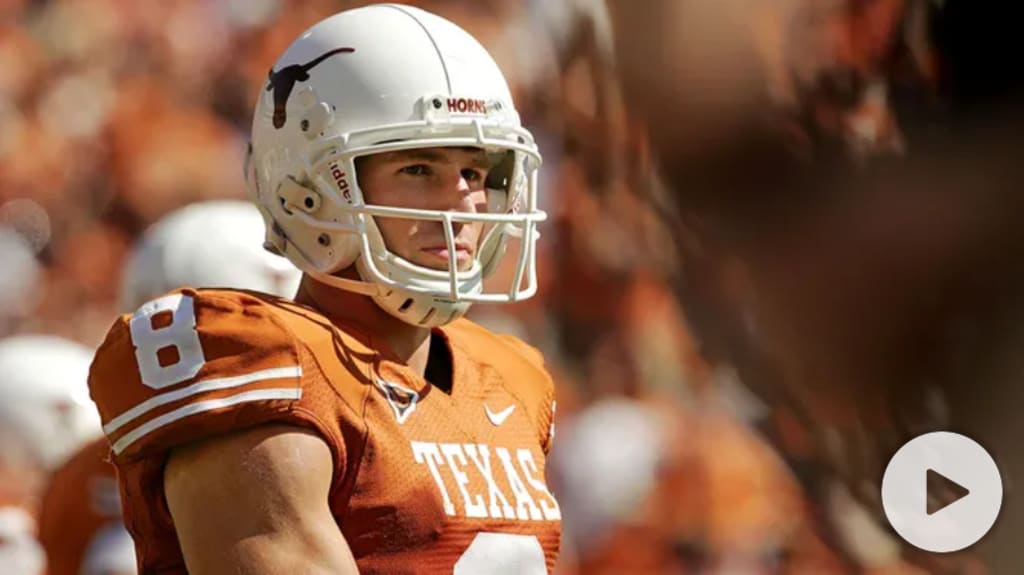
I didn’t go for the basketball. I went because my nephew asked me to.
He’s thirteen, wears his hair in messy curls, and talks about the game like it’s a secret language only he and the ball understand. “You have to see how they move together, Uncle,” he’d said, eyes wide. “It’s like they’re speaking without words.”
So I went—even though I hadn’t been to a live game since I was his age, sitting next to my grandfather in a chilly high school gym, sharing sunflower seeds and silence.
That night, the air buzzed with something I hadn’t felt in years: wonder. Not the kind you get from highlights or stats, but the quiet awe of watching strangers move as one body—passing, cutting, trusting without a script.
And then I saw them: two young players, barely older than college kids, dancing across the court. One with lightning in his feet, the other with calm in his eyes. They weren’t just teammates. They were in conversation—a glance, a spin, a no-look pass that landed like a promise kept.
My nephew leaned over. “See that? That’s trust.”
In that moment, I understood: this wasn’t about winning. It was about connection.
I thought of my grandfather, who never talked much but always showed up—on weekends, at games, in hospital rooms. He didn’t need to say “I love you.” He said it by being there.
That’s what this game felt like: love in motion.
Later, a play broke down. The ball bounced loose near our section. One player dove, slid across the floor, and saved it out of bounds—right at my nephew’s feet. He caught it, stunned, and the player looked up, smiled, and tapped his own chest like, “You got this.”
My nephew held that ball like it was holy.
On the drive home, he didn’t talk about the score. He talked about the dive. “He didn’t have to do that,” he said. “But he did. For the team.”
And I knew: he wasn’t just learning basketball. He was learning how to show up for people.
I’ve spent most of my adult life chasing success—promotions, paychecks, the illusion of control. But in that gym, none of it mattered. What mattered was the man beside me sharing his popcorn with a stranger. The woman leading a chant for a player no one knew. The way 500 people rose as one when the underdog made a free throw.
This wasn’t entertainment. It was ritual.
In a world of digital isolation, where connection is reduced to likes and follows, a live game is one of the last places where presence still matters. Where showing up—cold, tired, hopeful—is its own kind of love.
My nephew fell asleep in the car, jersey wrinkled, sneakers scuffed, one hand still clutching the ticket stub like a relic. And I thought: This is why we still watch.
Not for the highlights. Not for the stats.
But for the moments that remind us: you don’t have to be perfect to belong. You just have to show up—and play like you mean it.
And sometimes, that’s enough to carry you through the winter.
Since then, I’ve thought about that night often—especially when life gets heavy. I don’t need to know the standings or the stats. I just need to remember: there are places in this world where you don’t have to be perfect to belong. You just have to be there.
That’s the real magic of basketball.
Not the dunks or the blocks.
But the hand on a teammate’s back after a mistake.
The shared breath before the final play.
The quiet understanding that we’re all just trying to stay in the game.
And as I looked at my nephew’s peaceful face in the streetlight, I knew: the game wasn’t over.
It was just beginning—for him.
#Basketball #FatherAndSon #HumanConnection #Belonging #HopeFor2026 #RealMoments #Presence #Teamwork #Legacy #SharedHumanity
Disclaimer
Written by Kamran Ahmad from personal reflection and lived experience.
About the Creator
KAMRAN AHMAD
Creative digital designer, lifelong learning & storyteller. Sharing inspiring stories on mindset, business, & personal growth. Let's build a future that matters_ one idea at a time.
Keep reading
More stories from KAMRAN AHMAD and writers in Gamers and other communities.
The Night the Future Felt Like Hope
I didn’t go to the store for inspiration. I went because I was out of coffee. It was a Tuesday in early March—gray, damp, the kind of morning that clings to your shoulders like a wet coat. I hadn’t slept. My mind was a tangle of unread messages, overdue bills, and the low hum of dread that had become my baseline. The grocery store was just a pit stop on the way to another day I wasn’t sure I could face.
By KAMRAN AHMAD2 months ago in Gamers
Rsvsr Master Monopoly GO: Daily Strategies for Maximum Rewards
Monopoly GO takes the classic board game to a whole new level, combining strategy, chance, and real-time events with a wealth of rewards. Whether you’re a casual player or a competitive strategist, understanding daily events and planning your gameplay is essential to maximize progress and earn more dice, cash, and rare items.
By Billo Nali3 days ago in Gamers



Comments
There are no comments for this story
Be the first to respond and start the conversation.