
THE INFLUENCE OF THE OLYMPICS ON CHANGING ATTITUDES TOWARD DISABILITIES
How the Olympic Games Have Shaped Public Perceptions and Attitudes Toward Disability.

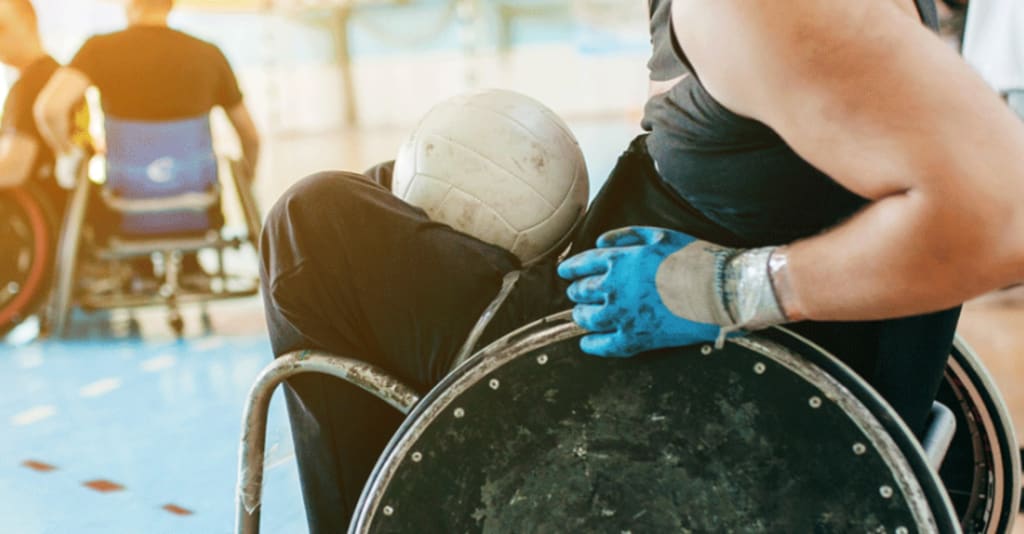
The Olympics, one of the most significant global sporting events, has had a profound influence on shaping public attitudes towards various social issues, including disabilities. Through its emphasis on athletic excellence, the Olympics have contributed to changing perceptions about the capabilities of individuals with disabilities and promoted greater inclusion and understanding. In particular, the integration of the Paralympic Games alongside the Olympics has played a crucial role in shifting societal views about disability. The influence of the Olympics on changing attitudes toward disabilities can be explored through historical developments, media representation, public awareness, and the evolution of adaptive sports.
The Historical Evolution of the Paralympic Games
The modern Olympic Games, established in 1896, were originally not inclusive of athletes with disabilities. However, the creation of the Paralympic Games in 1960 marked a significant turning point. The first Paralympic Games, held in Rome, were organized for athletes with physical disabilities. The event was created as a separate but parallel event to the Olympic Games. While the Olympics celebrated the abilities of able-bodied athletes, the Paralympics offered a platform for athletes with disabilities to showcase their skills and talents on the world stage.
Over time, the Paralympic Games gained more visibility, eventually leading to a closer connection between the two events. By the late 1980s and 1990s, the International Paralympic Committee (IPC) was pushing for greater integration with the Olympics. The breakthrough came in 1988 when the Seoul Summer Olympics allowed the Paralympic Games to be held in the same city, a historic first. This event marked a key moment in shifting public attitudes by drawing attention to the athletic abilities of people with disabilities.
Media Representation and Changing Perceptions
The media plays an integral role in shaping public perceptions, and the Olympics, both Olympic and Paralympic Games, have made substantial strides in altering how society views disability. Initially, media coverage of the Paralympic Games was sparse, and when it did appear, it often focused on the athletes' disabilities rather than their achievements. However, as media representation evolved, the focus shifted toward celebrating their athleticism, overcoming challenges, and inspiring others.
The visibility of Paralympic athletes in mainstream media, through television broadcasts, documentaries, and social media, has been instrumental in altering the perception of disability. The success stories of athletes such as Tanni Grey-Thompson, Michael Brannigan, and Ellie Simmonds have challenged stereotypes and demonstrated that individuals with disabilities can perform at the highest levels of competition. The increasing media presence of Paralympians has highlighted the fact that disabilities do not define a person's potential, thus influencing the public to see them as athletes first, not defined solely by their impairments.
The Role of Adaptive Sports in Changing Attitudes
The Olympics have also catalyzed the growth and development of adaptive sports, which are sports modified to accommodate athletes with disabilities. Before the Olympics and the Paralympic Games gained prominence, adaptive sports existed but were not widely recognized or integrated into the mainstream sports culture. However, the success of the Paralympic Games helped create a greater demand for adaptive sports and programs, and as a result, these sports gained a more prominent place in society.
Sports such as wheelchair basketball, goalball, sitting volleyball, and para-athletics have flourished in the years since the Paralympic Games began. Today, adaptive sports are recognized for their value in promoting health, physical fitness, and social inclusion. The increasing participation of people with disabilities in these sports has highlighted their abilities and provided a powerful message to society: that people with disabilities can compete on a level playing field.
Moreover, the development of adaptive sports has encouraged organizations, both public and private, to invest in facilities and technologies that make sports more accessible to people with disabilities. From prosthetics to adaptive wheelchairs, advancements in technology have enhanced performance in adaptive sports, contributing to the overall inclusivity of the Olympic movement.
Shifting Attitudes Toward Disability in Society
The Olympic Games and the Paralympic Games together have significantly impacted societal attitudes toward disability. What was once perceived as a limitation is increasingly seen as a challenge that can be overcome with determination, innovation, and perseverance. The Olympic Games, with their Global audience, have provided a platform for advocacy, creating awareness about disability rights and inclusion.
The inclusion of athletes with disabilities in major global sporting events has also led to the development of policies and programs that promote inclusion in other areas of society, such as employment, education, and public life. The increased representation of people with disabilities in the media, sports, and various sectors has encouraged governments and organizations to implement policies that promote accessibility and equality.
In The End
The influence of the Olympics on changing attitudes toward disabilities cannot be overstated. The Paralympic Games, alongside the Olympics, have played a critical role in changing how society views disability, emphasizing the abilities and achievements of athletes with disabilities rather than their limitations. Through the historical development of the Paralympic Games, media representation, the growth of adaptive sports, and the broader societal changes that have followed, the Olympics have helped shift public attitudes toward a more inclusive and positive view of disability. The world of sports, particularly through the Olympic and Paralympic Games, continues to serve as a powerful tool in promoting social change, advancing equality, and breaking down barriers for people with disabilities.
About the Creator
Badhan Sen
Myself Badhan, I am a professional writer.I like to share some stories with my friends.
Keep reading
More stories from Badhan Sen and writers in Gamers and other communities.
THE CHANGING ATTITUDES TOWARD GENDER ROLES IN OLYMPIC SPORTS
The Olympic Games, one of the world's most prestigious and widely watched sporting events, have long reflected societal attitudes toward gender roles. For much of history, the Olympics were largely a male-dominated domain, with women facing numerous barriers to entry. However, over time, the Games have become a platform for challenging and transforming these gender norms, with significant progress in the participation, recognition, and acceptance of female athletes.
By Badhan Senabout a year ago in Gamers
Stardew Valley Moss Guide: Why This 1.6 Resource is More Valuable Than You Think
For years, the appearance of green fuzz on the oak and maple trees of Pelican Town was nothing more than a visual indicator of rain or a sign that you had neglected your farm’s landscaping. When the 1.6 update arrived, everything changed.
By Richard Bailey5 days ago in Gamers
R6 Predictions for 2026: The Next Chapter of Rainbow Six Siege
In 2026, Rainbow Six Siege won’t feel like a brand-new game and that may be its greatest strength. Instead of chasing trends, Siege is likely to double down on what it already does best: tactical depth, operator-driven gameplay, and a competitive ecosystem that rewards patience and planning. Looking back from this point in time, 2026 could be remembered as the year Siege finally perfected its long-term evolution.
By Deborah Larson5 days ago in Gamers




Comments
There are no comments for this story
Be the first to respond and start the conversation.