
The Enduring Phenomenon: How Fortnite Continues to Define and Redefine Gaming
Fortnite

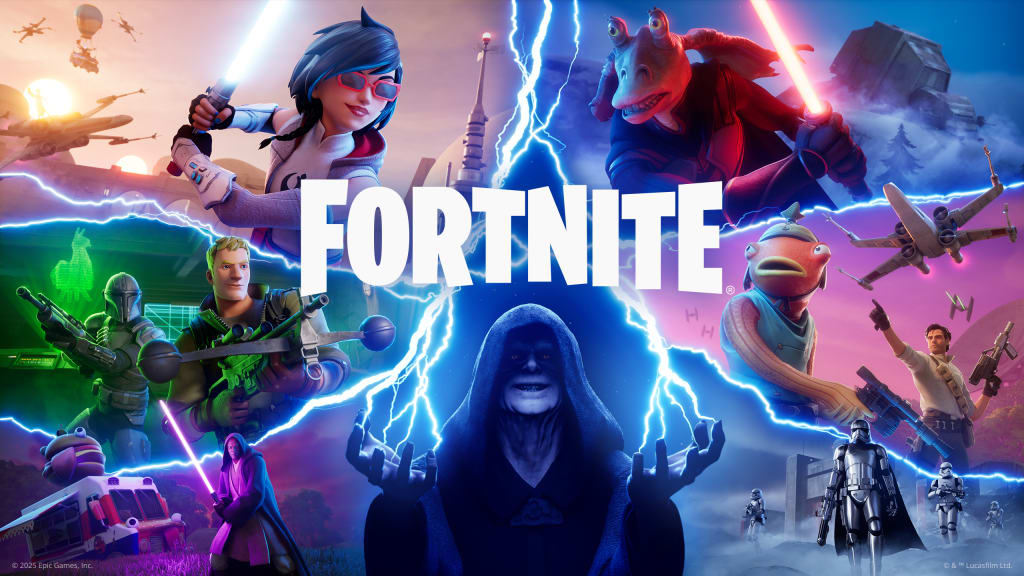
The Enduring Phenomenon: How Fortnite Continues to Define and Redefine Gaming
In the ever-shifting landscape of video games, few titles have achieved the monumental, genre-defining impact of Fortnite. Launched by Epic Games in 2017, what began as a quirky survival game quickly pivoted with the introduction of its free-to-play Battle Royale mode, igniting a cultural wildfire that reshaped the industry and captured the imaginations of millions worldwide. More than just a game, Fortnite has become a virtual playground, a social hub, and a relentless innovator that continues to adapt and thrive.
At its core, Fortnite's Battle Royale mode is deceptively simple: 100 players drop onto an island, scavenge for weapons and resources, and fight to be the last one standing as a storm steadily shrinks the playable area. Yet, this simple premise is elevated by a unique "building" mechanic, allowing players to instantly construct walls, ramps, and platforms for defense, offense, or traversal. This building aspect added an unparalleled layer of strategic depth and skill, separating Fortnite from its nascent battle royale competitors and fostering a high-octane, creatively fluid combat experience.
Beyond its core gameplay, Fortnite’s genius lies in its masterful understanding of culture and community. Epic Games pioneered the concept of the "live service game" to an unprecedented degree. Regular, impactful updates, often tied to evolving in-game narratives, kept players constantly engaged. New weapons, items, map changes, and limited-time modes ensured the experience felt fresh and dynamic. This constant evolution fostered a powerful sense of community, with players eagerly anticipating the next big event or storyline twist.
Perhaps most significantly, Fortnite blurred the lines between gaming, entertainment, and social interaction. It became the ultimate virtual hangout spot. Players weren't just logging on to win; they were logging on to connect with friends, emote together, explore new map locations, and witness groundbreaking in-game events. Astronomical concerts featuring real-world artists like Travis Scott and Ariana Grande drew tens of millions of concurrent viewers, demonstrating Fortnite’s potential as a metaverse platform long before the term became a widespread buzzword. Film trailers debuted within the game, and iconic characters from Marvel, Star Wars, and countless other franchises became playable skins, further cementing its status as a cultural nexus.
The financial model of Fortnite is another testament to its innovation. While free-to-play, its immense revenue is generated through the sale of cosmetic items – skins, emotes, pickaxes, and gliders – that offer no competitive advantage but allow players to express themselves and show off their unique styles. This purely aesthetic monetization strategy proved incredibly effective, turning virtual fashion into a multi-billion dollar industry.
However, Fortnite's journey hasn't been without its challenges. Maintaining relevance in a rapidly changing gaming landscape is a constant battle. The initial hype inevitably mellowed, and new competitors emerged. To combat this, Epic Games has continued to push boundaries, introducing new modes and features. The "No Build" mode, for instance, offered a fresh take on the core gameplay, attracting players who found the building mechanic too complex or intimidating. This demonstrated Epic's willingness to listen to its community and evolve the game's core offering.
Looking ahead, Fortnite continues to expand its vision as a true metaverse. The introduction of "Fortnite UEFN" (Unreal Editor for Fortnite), allowing creators to build their own experiences within the game, opens up limitless possibilities. The growth of separate "games within Fortnite" like LEGO Fortnite, Rocket Racing, and Fortnite Festival (a rhythm game) shows a clear strategic pivot towards becoming a platform that hosts diverse entertainment experiences, far beyond just battle royale. This positions Fortnite not merely as a game, but as a central hub for social interaction, creative expression, and varied digital entertainment.
In conclusion, Fortnite's story is a remarkable one. It’s a testament to rapid adaptation, community building, and a keen understanding of player psychology. It defined a genre, pioneered new forms of in-game entertainment, and continues to evolve at a breathtaking pace. Whether you're dropping into the battle bus for a Victory Royale, attending a virtual concert, or exploring a fan-made creation, Fortnite remains a vibrant, unpredictable, and endlessly fascinating phenomenon in the digital world. Its ability to reinvent itself while retaining its core appeal ensures that it will likely remain a dominant force in gaming for years to come.
About the Creator
Keep reading
More stories from Regyna Putri and writers in Gamers and other communities.
The Groundbreaking Legacy of PUBG: How One Game Redefined a Genre
The Groundbreaking Legacy of PUBG: How One Game Redefined a Genre In the ever-evolving landscape of video games, few titles have left an indelible mark quite like PlayerUnknown's Battlegrounds (PUBG). Launched in its early access form on Steam in March 2017, PUBG didn't just introduce a new game; it ignited a global phenomenon, pioneering and popularizing the "Battle Royale" genre to an unprecedented degree. Its blend of tense survival, tactical gunplay, and a massive, ever-shrinking battlefield captivated millions, irrevocably changing the trajectory of online multiplayer gaming.
By Regyna Putri8 months ago in Gamers
Animal Crossing: New Horizons 3.0 Update Review:
After 1,410 hours across five years and loving this game enough to gift it to multiple friends, I never expected to be writing this review. When Nintendo declared version 2.0 the "final major update" back in November 2021, we all accepted that New Horizons' story was complete. Four years later, here we are with version 3.0, released January 14, 2026, and I have complicated feelings about this surprise resurrection.
By Parsley Rose about 4 hours ago in Gamers
A Dart at Dusk
Seconds ago, the sullen sun set on the two of us… my exuberant furry companion and me. A fresh breeze embraces us, delivering welcome relief from the day’s oppressive heat. His typical stumbling and staggering along — apace with a sloth — has turned into trip-trapping, high-stepping, almost skipping along.
By Angie the Archivist 📚🪶6 days ago in Petlife


Comments (2)
Fortnite really has been a game-changer. The building mechanic in Battle Royale is so cool, adding a whole new level of strategy. And those regular updates? They keep things fresh. It's amazing how it's become this huge social hub too. Do you think other games will ever be able to match Fortnite's ability to blend gaming, entertainment, and social interaction like this?
Fortnite really changed the game industry. The building mechanic in Battle Royale made it stand out. And the way it keeps evolving with updates is great. Do you think other games can learn from how Fortnite manages its community and stays so engaging? It's also amazing how it became a social hub. I wonder what new features they'll come up with next to keep that going. Maybe they'll add more ways for players to collaborate outside of just battles.