
The Groundbreaking Legacy of PUBG: How One Game Redefined a Genre
PlayerUnknown's Battlegrounds

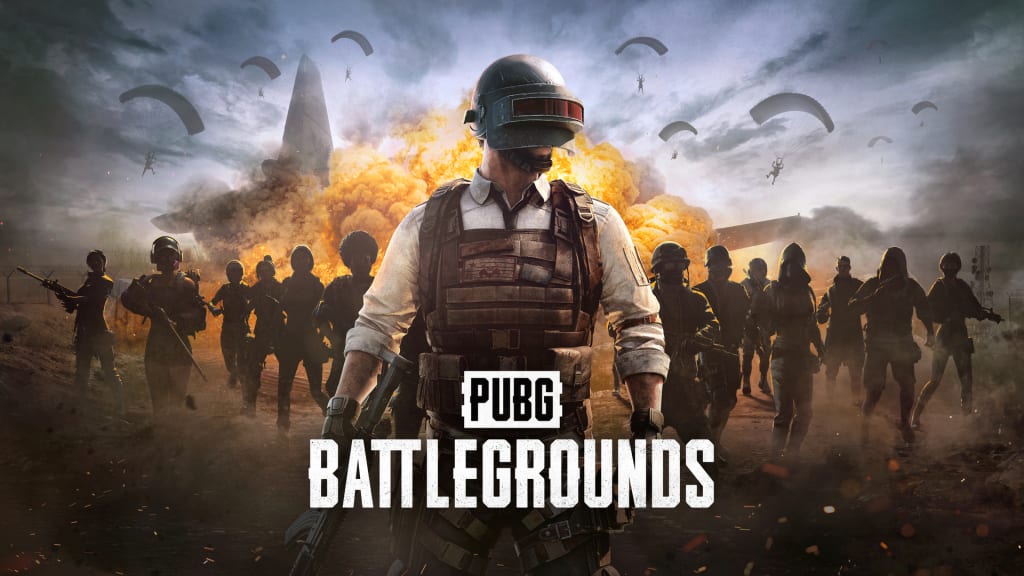
The Groundbreaking Legacy of PUBG: How One Game Redefined a Genre
In the ever-evolving landscape of video games, few titles have left an indelible mark quite like PlayerUnknown's Battlegrounds (PUBG). Launched in its early access form on Steam in March 2017, PUBG didn't just introduce a new game; it ignited a global phenomenon, pioneering and popularizing the "Battle Royale" genre to an unprecedented degree. Its blend of tense survival, tactical gunplay, and a massive, ever-shrinking battlefield captivated millions, irrevocably changing the trajectory of online multiplayer gaming.
The concept was deceptively simple, yet profoundly effective: 100 players parachute onto a vast island, scavenge for weapons and gear, and fight to be the last one standing as a dangerous "blue zone" constantly forces them into closer quarters. This core loop, born from a mod created by Brendan Greene (PlayerUnknown) for Arma 2, resonated deeply with players seeking a fresh, high-stakes competitive experience. The intensity of knowing that only one player or squad could emerge victorious, coupled with the unpredictable nature of item spawns and circle placements, created an addictive cycle of adrenaline and strategic thinking.
What truly set PUBG apart in its early days was its gritty realism and immersive atmosphere. Unlike some competitors that would later lean into more stylized aesthetics, PUBG embraced a more grounded approach. Weapons felt weighty and authentic, requiring players to master recoil control, bullet drop, and weapon attachments. The large, detailed maps like Erangel and Miramar provided varied terrain, from dense forests and urban environments to sprawling deserts, forcing players to adapt their strategies based on their surroundings. This commitment to a more tactical and less arcadey experience appealed to a vast segment of the gaming community.
The success of PUBG wasn't confined to PC. Its rapid expansion to consoles (Xbox One in December 2017, PlayStation 4 in September 2018) and, most notably, the incredibly successful PUBG Mobile (launched globally in March 2018), further solidified its global dominance. PUBG Mobile, a free-to-play adaptation, brought the Battle Royale experience to an even wider audience, particularly in regions where mobile gaming reigns supreme. This multi-platform availability was a crucial factor in its widespread popularity and continued relevance.
PUBG's influence extended far beyond its own sales figures. It single-handedly ushered in the Battle Royale era, inspiring a torrent of similar games. Titles like Fortnite, Apex Legends, and Call of Duty: Warzone, while adding their unique spins, all owe a significant debt to PUBG's foundational mechanics and proven formula. The genre it popularized is now a mainstay in the gaming industry, consistently attracting huge player bases and generating billions in revenue.
Beyond casual play, PUBG also played a pivotal role in shaping the esports landscape. Its competitive nature translated seamlessly into professional play, with numerous tournaments and leagues emerging worldwide. Events like the PUBG Global Championship (PGC) and PUBG Global Series (PGS) showcase top-tier teams battling for significant prize pools, demonstrating the strategic depth and high skill ceiling of the game. The unpredictable nature of Battle Royale matches, where a single decision can turn the tide, makes for compelling viewing, attracting a dedicated esports audience.
Of course, PUBG's journey hasn't been without its challenges. Early days were marked by optimization issues, and the rise of well-funded competitors meant constant innovation was necessary. However, PUBG Corporation (now under Krafton) has consistently updated the game with new maps, weapons, vehicles, game modes (like Team Deathmatch and War Mode), and crucial performance improvements. The transition to a free-to-play model in 2022 further lowered the barrier to entry, ensuring the game remains accessible to new players while continuing to engage its veteran community.
In conclusion, PUBG is more than just a game; it's a testament to how a bold concept, executed with a focus on core gameplay, can redefine an entire industry. Its legacy as the pioneer of the mainstream Battle Royale genre is undeniable. Whether you're a seasoned "Chicken Dinner" veteran or new to the thrill of the shrinking circle, PUBG continues to offer a compelling, high-stakes, and deeply rewarding experience, proving that even years after its initial launch, it remains a true titan of the gaming world.
About the Creator
Keep reading
More stories from Regyna Putri and writers in Gamers and other communities.
Counter-Strike: Global Offensive (CS: GO) wasn't just a game
Today's date is May 22, 2025. This article refers to the game Counter-Strike: Global Offensive (CS: GO), which was succeeded by Counter-Strike 2 (CS2) in September 2023. The article should reflect this fact without solely focusing on CS2.
By Regyna Putri8 months ago in Gamers
Rsvsr Mega Evolutions Are Coming to Pokémon TCG Pocket – Get Ready!
If you’re a Pokémon fan, chances are you’ve been hooked on Pokémon TCG Pocket, the digital card game that lets you collect, trade, and battle Pokémon right from your phone. Well, there’s exciting news: the game is about to get a major update with Mega Evolution cards! And yes, that means Pokémon like Mega Gyarados, Mega Blaziken, and Mega Altaria are coming to your decks.
By Dangyc Ding6 days ago in Gamers


Comments (1)
PUBG really did change the game. That simple yet intense concept of 100 players on an island fighting it out was genius. I remember when it first came out, it was all anyone talked about. The realism was a huge draw. Those weapons felt so different from other games. And the maps! Erangel and Miramar were amazing. It made you think on your feet. Do you think PUBG's success was mainly due to its unique concept or the way it executed the gameplay?