
THE CREATION OF OLYMPIC MUSEUMS:PRESERVING THE GAMES' LEGACY
Honoring the History and Spirit of the Olympic Games through Dedicated Museums.

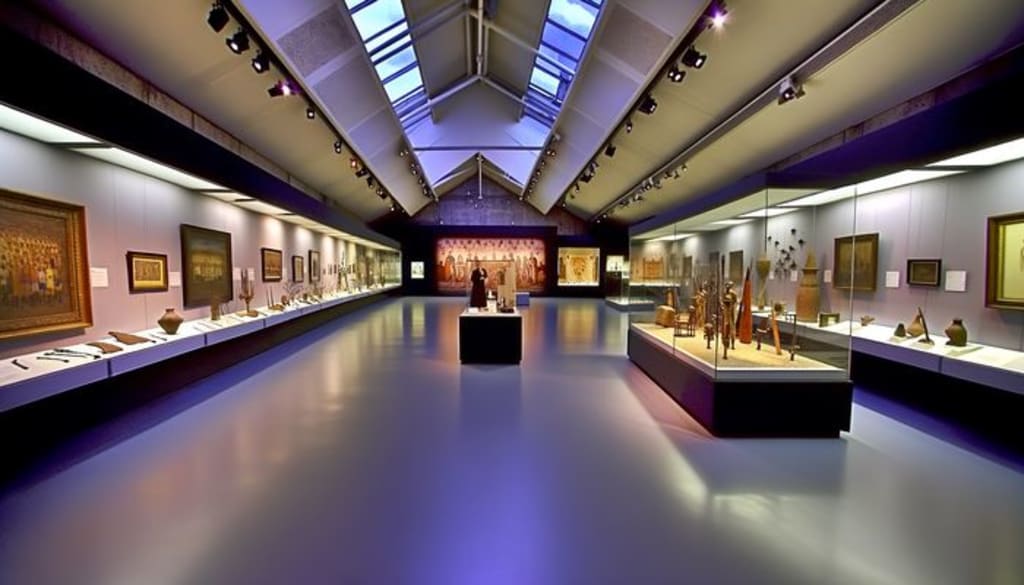
The Olympic Games are more than just a sporting event. They are a celebration of human achievement, cultural exchange, and the enduring spirit of international unity. The history of the Games, stretching back to ancient Greece, has seen moments of triumph, controversy, and global camaraderie. To ensure that future generations can experience this rich legacy, the creation of Olympic museums around the world plays a pivotal role in preserving and celebrating the history of the Games.
(I)The Origins of Olympic Museums
The idea of creating a museum to honor the Olympic Games began as early as the first modern Olympics in 1896. However, the concept truly took shape after the establishment of the International Olympic Committee (IOC) in 1894, which recognized the importance of preserving the cultural and historical impact of the Games. The first official Olympic museum was established in Lausanne, Switzerland, in 1968, a city that is also home to the IOC's headquarters.
This museum was founded with the purpose of documenting and preserving the history of the Olympic Games. It was designed not just as a tribute to athletes, but as a way to celebrate the values of Olympism, including excellence, friendship, and respect. The Olympic Museum in Lausanne continues to be the central institution in the Olympic movement, attracting millions of visitors each year and housing a vast collection of artifacts, including Olympic torches, medals, costumes, and equipment.
(II)The Role of Olympic Museums
Olympic museums serve several essential functions in the preservation and celebration of the Games’ legacy. They are centers of history and education, offering a space for visitors to learn about the evolution of the Games, the achievements of athletes, and the cultural impact of the Olympics. They also provide a place for reflection on the changing political, social, and economic landscapes in which the Games have been held.
One of the primary goals of these museums is to educate people about the history of the Games. Through exhibits and multimedia presentations, visitors are taken on a journey from the origins of the ancient Olympic Games in Greece to the modern-day extravaganzas that attract millions of spectators worldwide. Each exhibit often highlights a different Olympic Games, showcasing the unique features of each edition, such as the host city, the athletes, the sports, and the political or cultural atmosphere.
The Olympic Museum in Lausanne, for example, hosts a permanent exhibition that traces the development of the Games, starting from the 1896 Athens Olympics to the present. Temporary exhibits are also organized around specific themes, such as famous athletes, Olympic symbols, or significant moments in Olympic history, like Jesse Owens' victory in the 1936 Berlin Olympics or the boycott of the 1980 Moscow Games.
In addition to the educational aspect, Olympic museums also act as an archive of the Games' most iconic moments. The artifacts housed in these museums – such as the original Olympic torches, historical photos, and athlete memorabilia – are valuable records of the events that shaped modern sports and culture. For instance, the 1960 Rome Olympics introduced the first televised Olympic Games, and the museum in Rome highlights this technological breakthrough along with the exciting sports stories of that year.
(III)The Expansion of Olympic Museums Globally
While Lausanne remains the spiritual home of the Olympic movement, the creation of Olympic museums has expanded globally. Numerous countries with a history of Olympic participation have created their own museums or Olympic halls of fame to honor their athletes and Olympic history.
For example, the Olympic Museum in Beijing, China, opened in 2008, showcases the country’s rise as a global sporting power. The museum celebrates China's success in hosting the 2008 Summer Olympics and its subsequent sporting achievements. Similarly, the National Olympic Museum in the United States, located in Colorado Springs, focuses on the history of U.S. athletes in the Olympic Games, highlighting iconic figures such as Michael Phelps, Carl Lewis, and Simone Biles.
In the host cities of the Games themselves, Olympic museums help preserve the history of the Games. The Tokyo 2020 Olympic Museum, for example, offers a look at Japan's Olympic heritage and the challenges the country faced in hosting the 2020 Summer Olympics amidst a global pandemic. The museum reflects on both the sporting achievements and the cultural impact of the Games in Japan.
(IV)Challenges and Future Directions
Despite their importance, Olympic museums face challenges in maintaining relevance and ensuring their collections remain dynamic. As technology evolves, so do the ways in which we consume information. Museums must adapt to these changes by incorporating digital displays, virtual reality experiences, and online platforms to engage younger generations who may not be as interested in traditional museum formats.
Moreover, there is the challenge of balancing the commercial aspects of the Olympics with the true spirit of the Games. As the Olympics become increasingly commercialized, museums must find ways to celebrate the authentic, human side of the Games rather than focusing solely on the lucrative aspects of the event.
In The End
The creation of Olympic museums has proven to be an essential part of preserving the rich legacy of the Olympic Games. These museums educate visitors about the history of the Games, celebrate the achievements of athletes, and offer a space for reflection on the values of Olympism. As the Games continue to evolve, the role of these museums will remain crucial in ensuring that the history and spirit of the Olympics are passed on to future generations. Through these institutions, we can continue to honor the Games’ role in bringing the world together, one competition at a time.
About the Creator
Badhan Sen
Myself Badhan, I am a professional writer.I like to share some stories with my friends.
Keep reading
More stories from Badhan Sen and writers in Gamers and other communities.
LONG-TERM SOCIAL AND ENVIRONMENT COSTS OF HOSTING THE OLYMPICS
The Olympic Games, one of the most prestigious global sporting events, carry immense economic, cultural, and environmental implications. While the Olympics bring significant short-term benefits such as increased tourism, national pride, and temporary job creation, the long-term social and environmental costs of hosting the Games can be substantial. These costs often outweigh the initial excitement and perceived benefits, leading to criticism and reconsideration about whether the event is truly worth the investment in the long run.
By Badhan Senabout a year ago in Gamers
How Fortnite Became More Than Just a Game
When Fortnite launched in 2017, it was widely seen as just another multiplayer video game. Nearly a decade later, that view no longer fits reality. Fortnite has grown into a global digital platform that blends gaming, creativity, entertainment, and social interaction. This transformation did not happen overnight, and it did not rely on hype alone. Instead, it was driven by consistent innovation, community involvement, and a shift in how people use online spaces.
By Games Mode Onabout 13 hours ago in Gamers
Rsvsr Unlock Big Rewards with GOP 3’s Jackpot Wheels
In Governor of Poker 3, winning doesn’t always come from the perfect hand or outsmarting your opponent at the table. Sometimes, the biggest surprises—and the richest rewards—come from something far simpler: a spin of the wheel. GOP 3’s Jackpot Wheels—including the Golden, Diamond, Ruby, and Emerald Wheels—offer players an exciting, chance-driven way to earn chips, spins, and rare in-game items.
By Billo Nali7 days ago in Gamers



Comments (1)
Good work and these museums would make great field trips.