
LONG-TERM SOCIAL AND ENVIRONMENT COSTS OF HOSTING THE OLYMPICS
Exploring the Lasting Social and Environment Impact of Hosting the Olympics

The Olympic Games, one of the most prestigious global sporting events, carry immense economic, cultural, and environmental implications. While the Olympics bring significant short-term benefits such as increased tourism, national pride, and temporary job creation, the long-term social and environmental costs of hosting the Games can be substantial. These costs often outweigh the initial excitement and perceived benefits, leading to criticism and reconsideration about whether the event is truly worth the investment in the long run.
Social Costs
Displacement of Communities: One of the most profound social impacts of hosting the Olympics is the displacement of local communities. As cities prepare for the event, large-scale infrastructural projects, such as the construction of stadiums, transportation networks, and hotels, often lead to the forced relocation of thousands of people. For instance, in the lead-up to the 2016 Rio Olympics, large numbers of informal settlements (favelas) were demolished to make way for the Olympic Village and new sports facilities. This process often leaves displaced families without adequate compensation or housing, leading to long-term social unrest and increased inequality.
Increased Cost of Living: Hosting the Olympics can lead to a spike in the cost of living, particularly in housing, food, and transportation. This happens due to the influx of tourists, the demand for luxury accommodation, and the government's investment in infrastructure. For the residents of the host city, this can create a lasting economic burden, as prices of everyday goods and services rise, while many benefits of the Olympics (like jobs) are often temporary or low-paying. In the case of London 2012, while the Games created thousands of jobs, many were in low-paid service sectors, with limited long-term career progression.
Strain on Public Resources: The Olympic Games require massive public investment, often leading to a strain on local resources. Governments usually invest large amounts of taxpayer money to fund the construction of new infrastructure, which can lead to cuts in funding for other public services such as education, healthcare, and social welfare programs. These long-term cuts can result in social inequality, as citizens are forced to bear the brunt of financial decisions made to host the event. For example, the 2008 Beijing Olympics saw a significant amount of public funds diverted to building sports venues and facilities, which some argue could have been better spent addressing China’s poverty and other social issues.
Temporary Job Creation: While the Olympics generate jobs, many of these positions are short-term, low-paying, or highly specialized. These jobs may not offer long-term stability for the workforce once the Games are over, leading to a "boom and bust" cycle. Many people involved in construction, event management, and hospitality will find themselves unemployed once the Games conclude, often leaving them with fewer opportunities in the post-Olympic economy. This transient employment model can lead to long-term unemployment and social insecurity for vulnerable populations.
Environmental Costs
Environmental Degradation: The construction of massive Olympic venues, transportation infrastructure, and housing often comes at the expense of the environment. Forests, wetlands, and other natural habitats are cleared to make way for development. For instance, the 2008 Beijing Olympics caused significant damage to the local environment, as the city expanded rapidly, causing air and water pollution to spike. Similarly, the 2016 Rio Olympics led to severe deforestation, particularly around the Olympic golf course, which was built in a protected area of the city.
Waste Generation: The Olympics generate an enormous amount of waste, including construction debris, packaging materials, and general waste from the event itself. The cleaning and disposal of this waste can cause long-term environmental harm. For instance, the Tokyo 2020 Olympics faced criticism for the environmental impact of the Games, especially given the temporary nature of many venues and the high level of construction waste generated. Many Olympic venues remain unused after the event, contributing to the so-called "white elephant" phenomenon, where costly venues fall into disrepair and wastefulness.
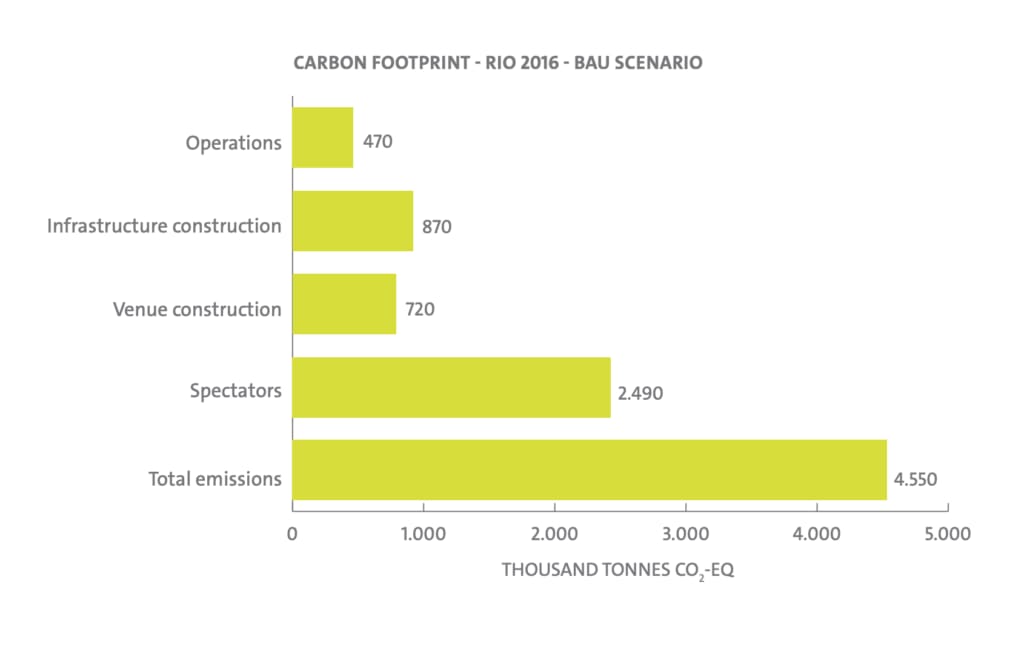
Carbon Footprint: The Olympic Games have a massive carbon footprint due to the extensive travel required by athletes, officials, and spectators. Flights, hotel stays, and the transportation of goods for the Games contribute to greenhouse gas emissions. For instance, the 2016 Rio Olympics produced an estimated 3.6 million tons of carbon dioxide. The ongoing environmental impact of maintaining the infrastructure built for the Games, such as stadiums and transportation networks, further exacerbates the situation.
Long-Term Habitat Fragmentation: Major infrastructural projects required for the Olympics often result in fragmentation of local ecosystems. For example, the 2000 Sydney Olympics resulted in the development of new road networks and tourist attractions that contributed to habitat fragmentation, affecting local wildlife populations. The long-term disruption of ecosystems can result in a loss of biodiversity and a decrease in the resilience of local environments.
In The End
While the Olympics undoubtedly bring short-term economic benefits and international prestige, the long-term social and environmental costs associated with hosting the Games cannot be overlooked. The displacement of communities, increased cost of living, and strain on public resources can leave lasting scars on local populations, while the environmental degradation caused by construction, waste generation, and a large carbon footprint pose serious concerns for the future. As the Olympics continue to grow in scale and spectacle, it is crucial for host cities to carefully consider these long-term impacts and work towards more sustainable and socially responsible approaches to hosting the Games.
About the Creator
Badhan Sen
Myself Badhan, I am a professional writer.I like to share some stories with my friends.
Keep reading
More stories from Badhan Sen and writers in Gamers and other communities.
HOW THE OLYMPICS BRING SOCIAL CHANGE TO HOST NATIONS
The Olympics, one of the most prestigious and widely watched sporting events in the world, hold far more significance than just athletic competition. Hosting the Olympics has the power to bring about substantial social change in the host nation. From infrastructural development to cultural exchange, economic boost to national pride, the Olympic Games can have lasting effects that ripple through society long after the closing ceremony. This essay explores how the Olympics bring about social change in the host nations, focusing on aspects such as infrastructure, economy, culture, national identity, and international relations.
By Badhan Senabout a year ago in Gamers
How to Reach the World Tree in Palworld 1.0: Map Location and Boss Guide
For months, the towering silhouette on the horizon of the Palpagos Islands served as a silent promise. Players stared at the massive, glowing branches of the World Tree from the shores of the Forgotten Island, wondering when the invisible barrier would finally drop.
By Richard Bailey7 days ago in Gamers




Comments
There are no comments for this story
Be the first to respond and start the conversation.