
THE 2002 SALT LAKE CITY OLYMPICS AND POST-9/11 RECOVERY
A Historic Event in a Time of Healing.

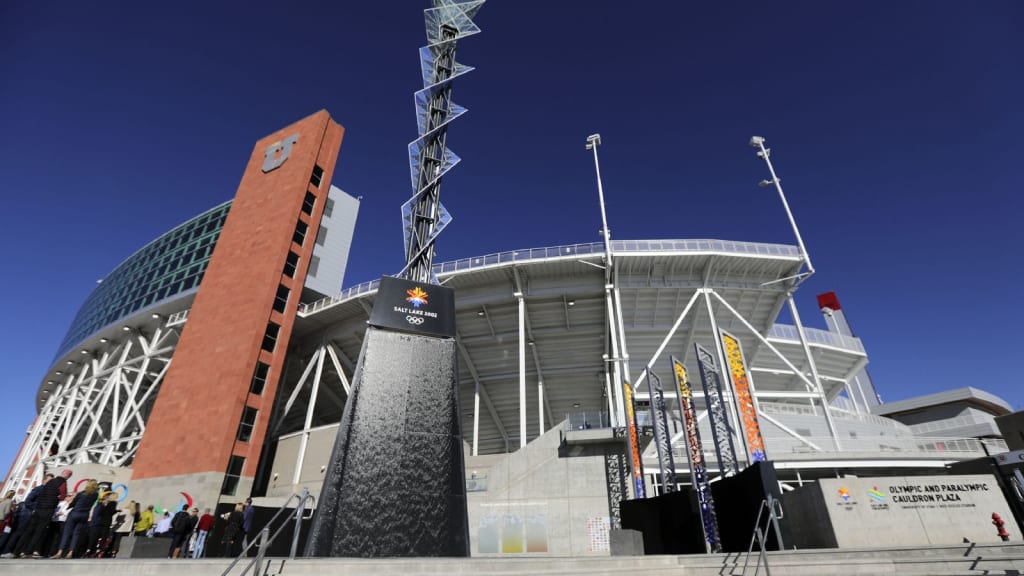
The 2002 Salt Lake City Olympics and Post-9/11 Recovery
The 2002 Winter Olympics, held in Salt Lake City, Utah, marked a significant moment in Olympic history, not only for the athletic achievements but also for its role in aiding the global healing process after the tragic events of September 11, 2001. These Games stood as a testament to resilience, unity, and the power of sport to bring hope and solidarity in times of adversity.
A Unique Context: Hosting in Uncertain Times
The bidding process for the 2002 Winter Olympics began long before the events of 9/11, with Salt Lake City being chosen in 1995. However, the Games took on new meaning in the aftermath of the attacks. With the world reeling from a profound sense of loss and fear, hosting a global event of such magnitude posed unique challenges. Security concerns became paramount, and the Salt Lake Games were one of the most guarded in history, with unprecedented coordination between local, national, and international security agencies.
Symbolism of Unity and Healing
The opening ceremony of the Salt Lake City Olympics was a powerful and emotional event. Tributes to the victims of 9/11 and to first responders emphasized themes of global unity and resilience. A tattered American flag recovered from the World Trade Center was carried into the stadium, symbolizing strength and remembrance. Athletes from around the world joined in solidarity, making the event a platform for healing and renewed hope.
Sporting Highlights
Despite the heavy emotional context, the athletic competitions themselves offered moments of inspiration and joy. The Games saw several historic performances, including American speed skater Apolo Anton Ohno winning his first Olympic gold medal and Canada breaking its 50-year Olympic curse in men’s ice hockey. Athletes from various countries brought stories of perseverance and triumph, which resonated with audiences worldwide.
Economic and Infrastructural Legacy
Salt Lake City reaped significant benefits from hosting the Games. The investment in infrastructure, including transportation and sports facilities, had long-lasting impacts on the region. The Utah Olympic Park and other venues remain active, serving as training centers and tourist attractions. Economically, the Games boosted local businesses and elevated Salt Lake City’s profile as a winter sports hub.
Security Innovations and Challenges
The 2002 Olympics set new standards for event security. Advanced technology, including surveillance systems and bio-detection tools, was implemented. While these measures ensured the safety of the participants and spectators, they also raised important discussions about privacy and the balance between security and freedom in large-scale public events.
Cultural Exchange and Diplomacy
The Games provided an opportunity for cultural exchange and international diplomacy. Athletes and visitors from around the world experienced the hospitality and traditions of Utah, fostering mutual understanding and goodwill. The participation of countries with tense relations further emphasized the unifying power of sports.
Controversies and Scandals
Despite its successes, the 2002 Games were not without controversy. The bidding process was marred by a bribery scandal, leading to reforms in the International Olympic Committee’s selection process. Additionally, disputes over judging, particularly in figure skating, cast a shadow over some events. These incidents highlighted the need for transparency and fairness in Olympic governance.
Legacy of the Salt Lake City Games
The 2002 Winter Olympics left a profound legacy. Beyond the economic and infrastructural improvements, the Games demonstrated the resilience of the human spirit in the face of adversity. They showed how sports can unite people, provide solace, and inspire hope. Salt Lake City’s successful hosting also paved the way for discussions about future U.S. bids for the Olympic Games.
In conclusion, the 2002 Salt Lake City Winter Olympics were much more than a sporting event. They were a symbol of recovery, resilience, and the enduring power of the Olympic spirit to bring people together. Through the athletes’ achievements and the global community’s solidarity, these Games reminded the world that even in the darkest times, the light of human courage and unity can shine brightly.
About the Creator
Badhan Sen
Myself Badhan, I am a professional writer.I like to share some stories with my friends.
Keep reading
More stories from Badhan Sen and writers in Gamers and other communities.
THE 1994 LILLEHAMMER WINTER OLYMPICS AND ITS LEGACY
The 1994 Lillehammer Winter Olympics and Its Legacy The 1994 Lillehammer Winter Olympics, held in the picturesque town of Lillehammer, Norway, was a landmark event in Olympic history. Celebrated for its environmental consciousness, cultural authenticity, and community involvement, these games left an indelible mark on the legacy of the Winter Olympics.
By Badhan Senabout a year ago in Gamers
Dodgers
The Los Angeles Dodgers have long been one of the most influential franchises in MLB, known for combining elite player development with the financial flexibility to pursue top-tier talent. From consistent postseason appearances to being counted among recent World Series winners, the Dodgers continue to shape league-wide conversations. As the new season approaches, Dodgers news is once again dominated by roster construction, payroll discussions, and persistent MLB trade rumors—especially those surrounding Kyle Tucker. The Dodgers’ Identity in Modern MLB Few teams balance tradition and innovation quite like the LA Dodgers. Their front office has mastered analytics while still valuing star players who can deliver in October. The current Dodgers roster reflects that philosophy, blending established veterans with emerging talent. Over the years, names like Cody Bellinger have defined eras of success, while new possibilities continue to fuel speculation. The Dodgers’ ability to remain competitive is also tied to their willingness to maintain a high Dodgers payroll. While they are not reckless spenders, they are strategic—targeting players who can elevate both performance and brand value. Kyle Tucker and Why He Fits the Dodgers Narrative Among the most discussed names in recent MLB rumors is Kyle Tucker. A consistent offensive presence and reliable defender, Tucker has emerged as one of the most complete players in modern baseball. Naturally, that has led to growing interest in a potential Kyle Tucker Dodgers scenario. So, what position does Kyle Tucker play? Tucker is primarily a right fielder, though his athleticism allows flexibility across the outfield. That versatility makes him especially attractive to teams like the Dodgers, who value adaptable Dodgers outfielders capable of handling high-pressure situations. The phrase “Tucker baseball” has become shorthand for a balanced skill set: power, patience, and postseason reliability. It’s no surprise that Kyle Tucker news often trends alongside big-market teams. Contracts, Agents, and the Cost of Stardom Any serious discussion of Tucker to Dodgers inevitably leads to contract considerations. The idea of a Kyle Tucker contract Dodgers deal raises questions about years, value, and long-term impact. While no official Kyle Tucker deal has been announced, speculation continues around what such a move would require. The Kyle Tucker agent would likely prioritize both financial security and a winning environment—two things the Dodgers can credibly offer. Still, committing to a potential Kyle Tucker Dodgers contract would require careful planning, especially with other stars already on the books. Misspellings like kyle.tucker, kyle tuxker, or even kyke tucker frequently appear in online searches, underscoring just how much attention surrounds him across the baseball world. How Tucker Could Shape the Dodgers Lineup If a Dodgers Tucker scenario ever materializes, it would have a major impact on the Dodgers lineup. A projected middle-of-the-order bat like Tucker could slot seamlessly into a Dodgers projected lineup, offering protection for existing stars and adding depth in late-game situations. Comparisons have been drawn between Tucker and former Dodgers standouts like Bellinger, particularly in terms of two-way impact. While Cody Bellinger brought elite defense and timely power, Tucker offers a more consistent offensive profile year over year. Competition From the Mets and Other MLB Teams Of course, the Dodgers are not alone in pursuing elite talent. The NY Mets, backed by owner Steve Cohen, have made it clear they are willing to spend aggressively. Mets news often mirrors Dodgers news, especially when it comes to top-tier MLB free agents and trade targets. Names like Edwin Diaz and Bo Bichette frequently appear in league-wide discussions, highlighting how interconnected roster decisions have become. Any move involving Tucker would likely ripple across the league, influencing strategies for teams like the Mets, who remain active in both free agency and trades. MLB Trade Rumors and the Bigger Picture Sites such as MLBTradeRumors regularly analyze scenarios involving Kyle Tucker to Dodgers, though nothing has been confirmed. These rumors reflect a broader truth: elite players drive conversation, even when deals never materialize. The Dodgers understand that not every rumor becomes reality. Still, being linked to players like Tucker reinforces the team’s image as a perennial contender. Whether through trades or internal development, the goal remains the same—build a roster capable of winning another championship. Looking Ahead: What This Means for the Dodgers As the season unfolds, the Dodgers will continue to evaluate opportunities that align with their long-term vision. The idea of Dodgers Kyle Tucker is compelling, but it’s only one chapter in a much larger story about sustained excellence. With a deep farm system, financial flexibility, and a proven track record, the Los Angeles Dodgers remain at the center of MLB news. Whether or not Tucker ever wears Dodger blue, the conversations surrounding him highlight how the franchise continues to influence the direction of the league. In the end, the Dodgers’ success has never hinged on a single move. It’s about smart decisions, calculated risks, and an unwavering commitment to winning—qualities that keep them relevant, respected, and always worth watching.
By Saboor Brohi 3 days ago in Gamers
Marvel Rivals Patch Notes: Season 6 "Night at the Museum" - Full Breakdown, Deadpool Abilities, and Hero Buffs
The wait is almost over! NetEase Games has finally pulled back the curtain on the next massive update for its hit superhero shooter. If you’ve been searching for the latest Marvel Rivals patch notes, you’re in the right place. Season 6, titled "Night at the Museum," is officially set to launch on January 16, 2026, and it’s bringing the Merc with a Mouth along for the ride.
By Info Post Gate5 days ago in Gamers


Comments (1)
I remember watching Apollo do his thing. It was a great Olympics to watch. Good work.