
THE 1994 LILLEHAMMER WINTER OLYMPICS AND ITS LEGACY
Norwegian Cultural and Community Spirit on Display.

The 1994 Lillehammer Winter Olympics and Its Legacy
The 1994 Lillehammer Winter Olympics, held in the picturesque town of Lillehammer, Norway, was a landmark event in Olympic history. Celebrated for its environmental consciousness, cultural authenticity, and community involvement, these games left an indelible mark on the legacy of the Winter Olympics.
A Unique Olympic Experience
Lillehammer's bid to host the 1994 Winter Olympics emphasized Norway's strong connection to winter sports and its natural beauty. Nestled in a valley surrounded by snow-covered mountains, the city provided a breathtaking backdrop for the games. The local organizing committee focused on sustainability and cultural representation, which became the defining features of these Olympics.
The Environmental Legacy
One of the most notable aspects of Lillehammer 1994 was its environmental focus. It was the first Olympic event to explicitly prioritize eco-friendly practices, setting a precedent for future games. Facilities were designed to blend harmoniously with the natural landscape, and measures were implemented to minimize environmental impact, such as using renewable energy sources and protecting wildlife habitats.
The organizers also worked on reforestation projects and created long-term plans to maintain the ecological integrity of the area after the games. This commitment to sustainability resonated globally, making Lillehammer a model for environmentally conscious Olympic planning.
Memorable Moments on the Ice and Snow
The Lillehammer games featured many unforgettable athletic achievements and stories of resilience. Norwegian skiers dominated in cross-country events, delighting the home crowd. Figure skater Oksana Baiul from Ukraine captured hearts worldwide with her dramatic gold-medal-winning performance in the women’s singles event.
The games were also marked by one of the most intense rivalries in Olympic history: the women's figure skating showdown between Tonya Harding and Nancy Kerrigan, which captivated international audiences. Lillehammer became a global stage for these narratives, solidifying the Winter Olympics' appeal to diverse audiences.
Cultural Showcase and Community Spirit
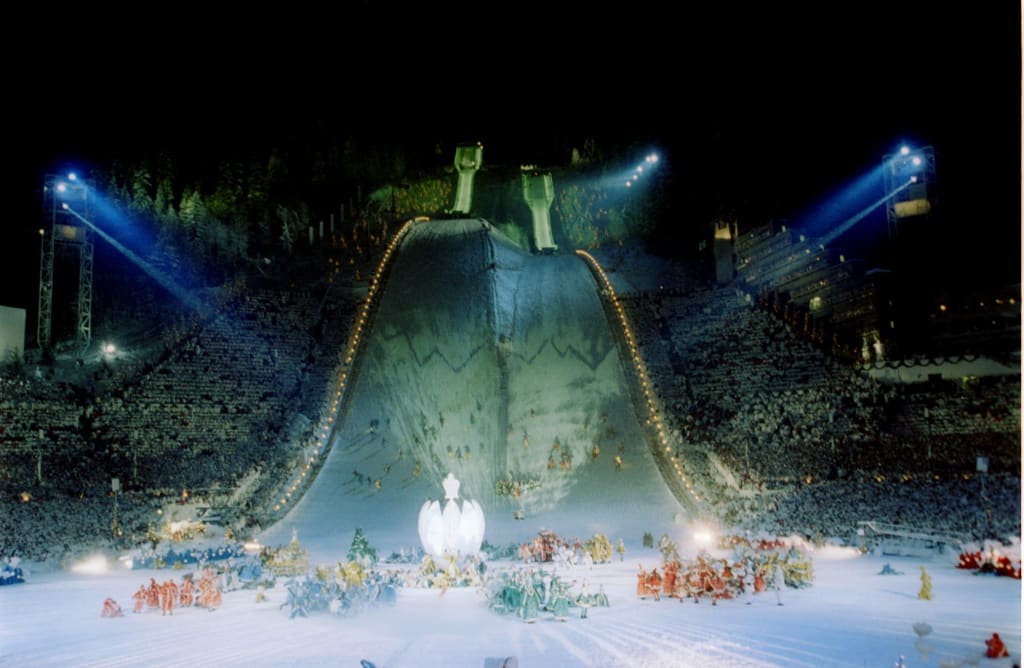
The Lillehammer Olympics stood out for their deep connection to Norwegian culture and traditions. From the opening ceremony, which highlighted Norse mythology and local folklore, to the involvement of local artisans and performers, the event celebrated Norway's heritage.
The community's involvement was central to the success of the games. The local population warmly welcomed athletes and spectators, creating a festive and inclusive atmosphere. The spirit of volunteerism was palpable, with thousands of locals contributing to the event's seamless execution.
Economic and Social Impacts
Hosting the Winter Olympics transformed Lillehammer into a world-class winter sports destination. The infrastructure built for the games, including ski slopes, arenas, and transportation networks, has since been used for international competitions, training facilities, and tourism.
While the event required substantial investment, the long-term economic benefits, such as increased tourism and global visibility, have outweighed the initial costs. Lillehammer remains a popular destination for winter sports enthusiasts and travelers seeking to experience its Olympic legacy.
Legacy of Peace and Cooperation
The Lillehammer games were notable for promoting peace and cooperation, coming on the heels of political tensions in the early 1990s. The games fostered a spirit of global unity, reflecting the Olympic values of friendship, respect, and excellence.
The International Olympic Committee (IOC) and Norway's organizing committee worked together to ensure that the Lillehammer Olympics were not just an event but an enduring symbol of sustainable and inclusive sportsmanship.
Conclusion
The 1994 Lillehammer Winter Olympics redefined the role of host cities in delivering sustainable and culturally enriching events. Its emphasis on environmental stewardship, community involvement, and cultural authenticity set new standards for future games.
Today, Lillehammer is remembered not only for the remarkable athletic performances but also for its legacy as a small town that made a big impact on the world stage. It remains a shining example of how the Olympics can inspire global unity while respecting local traditions and the environment.
About the Creator
Badhan Sen
Myself Badhan, I am a professional writer.I like to share some stories with my friends.
Keep reading
More stories from Badhan Sen and writers in Gamers and other communities.
THE 2018 WINTER OLYMPICS IN PYEONGCHANG,SOUTH KOREA
The 2018 Winter Olympics in Pyeongchang, South Korea: A Showcase of Unity and Innovation The 2018 Winter Olympics, officially known as the XXIII Olympic Winter Games, were held from February 9 to 25 in Pyeongchang, South Korea. This event marked South Korea's first time hosting the Winter Olympics, following its successful hosting of the Summer Olympics in Seoul in 1988. The Pyeongchang Games became a global platform to display cutting-edge technology, foster diplomatic relations, and celebrate athletic excellence.
By Badhan Senabout a year ago in Gamers
Rsvsr Mega Evolutions Are Coming to Pokémon TCG Pocket – Get Ready!
If you’re a Pokémon fan, chances are you’ve been hooked on Pokémon TCG Pocket, the digital card game that lets you collect, trade, and battle Pokémon right from your phone. Well, there’s exciting news: the game is about to get a major update with Mega Evolution cards! And yes, that means Pokémon like Mega Gyarados, Mega Blaziken, and Mega Altaria are coming to your decks.
By Dangyc Ding4 days ago in Gamers




Comments
There are no comments for this story
Be the first to respond and start the conversation.