
THE 1936 BERLIN OLYMPICS AND ITS POLITICAL SIGNIFICANCE
Sport,Propaganda,and the Rise of Nazi Germany.

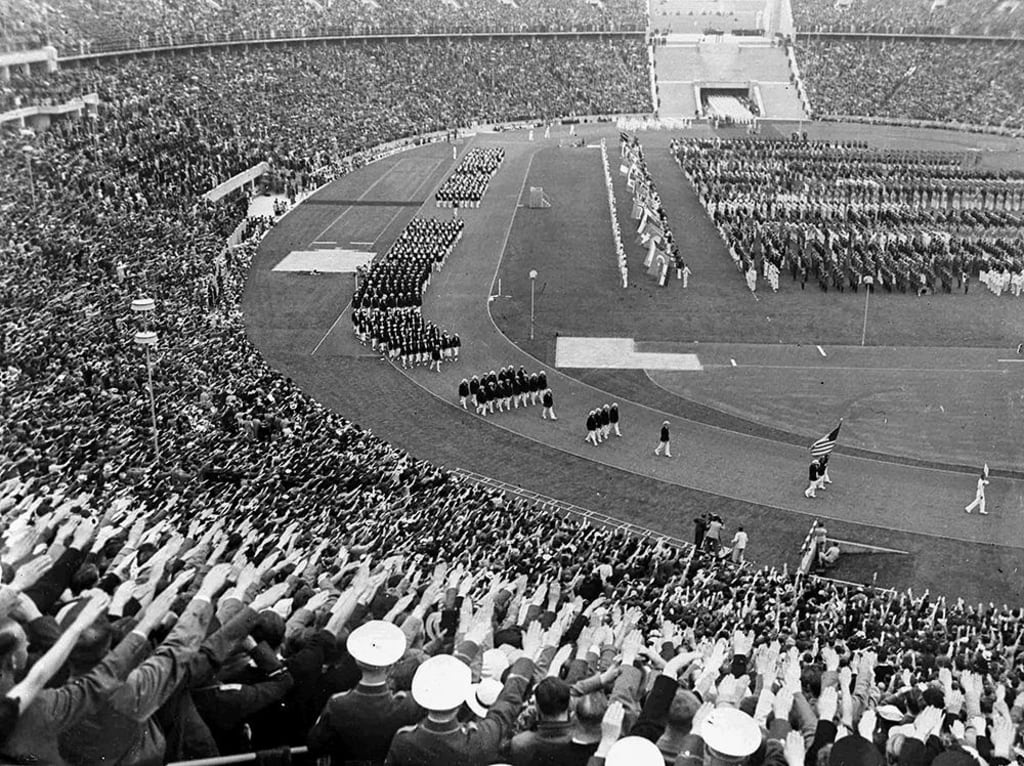
The 1936 Berlin Olympics and Its Political Significance
The 1936 Berlin Olympics, held under the shadow of Nazi Germany, stand as one of the most politically charged events in Olympic history. This article delves into the social and political backdrop of the Games, their role in Nazi propaganda, and the enduring moments of defiance and unity that emerged.
(I)The Political Backdrop of 1936
- Rise of Adolf Hitler and Nazi ideology.
- Use of the Games as a platform to showcase Aryan supremacy.
- Controversy over the United States and other nations' participation in light of Germany's oppressive regime.
(II)Olympic Preparation Under Nazi Rule
- Construction of state-of-the-art venues to impress the world.
- Germany's temporary suspension of overtly racist policies to avoid international boycotts.
- Propaganda efforts by Joseph Goebbels to present a peaceful and powerful Germany.
(III)Jesse Owens: A Symbol of Defiance
- Achievements of Jesse Owens, an African American athlete, who won four gold medals.
- His victories as a challenge to Nazi racial superiority theories.
- The personal and cultural impact of Owens’ performance.
(IV)Firsts and Milestones of the 1936 Olympics
- Introduction of the Olympic torch relay tradition.
- Advances in broadcasting with the Games being televised for the first time.
(V)Global Reactions to the Berlin Olympics
- Mixed international responses, from admiration of the organization to condemnation of Nazi propaganda.
- Post-Games analysis highlighting the tension between sportsmanship and politics.
(VI)Legacy of the 1936 Berlin Olympics
- How the Games underscored the interplay between sports and global politics.
- Continued significance in discussions about the role of ideology in international events.
(VII)Leni Riefenstahl's Role in Filming the Games
- The documentary Olympia and its influence on sports cinematography.
(VIII)Boycott Movements and Resistance to the Berlin Olympics
- Early attempts by nations and activists to protest the Games.
(VIII)The Impact of the Berlin Olympics on Post-War Olympics
- How the 1936 Games shaped the structure and political dynamics of subsequent Olympics.
(IX)Jewish Athletes and the 1936 Olympics
- Stories of exclusion and resilience among Jewish athletes under the Nazi regime.
(X)Comparisons to Other Politically Charged Olympics
- Exploring similarities with the 1980 Moscow Olympics or 2008 Beijing Olympics.
Conclusion
The 1936 Berlin Olympics, officially known as the Games of the XI Olympiad, hold a unique place in history for their intertwining of sports and politics. Hosted by Nazi Germany under Adolf Hitler’s regime, these Olympics were heavily propagandized to showcase the alleged superiority of the Aryan race and the organizational prowess of the Third Reich. However, they also became a platform for athletes from around the world to defy these narratives, creating moments of athletic brilliance and symbolic resistance.
Among the standout stories is that of Jesse Owens, the African American track and field star who won four gold medals, shattering Nazi racial ideologies on the global stage. His victories in the 100m, 200m, long jump, and 4x100m relay served as a powerful counterpoint to the host nation’s propaganda.
The Berlin Olympics also marked significant advancements in the presentation of the Games. The event was the first to be televised, allowing spectators across Germany to witness the spectacle. Leni Riefenstahl’s pioneering documentary Olympia used innovative filming techniques to glorify the athletes, blending artistry with political messaging.
Despite the controversies, the Games introduced enduring traditions. The Olympic torch relay, now a staple of every Olympics, made its debut in 1936, symbolizing continuity from the ancient Games.
These Olympics highlighted the power of sport as both a unifying force and a tool for political expression. While the event was marred by its association with a regime that would soon plunge the world into war, the performances of athletes like Owens and others transcended politics, reminding the world of the human spirit’s resilience and capacity for excellence.
This blend of triumph and tension makes the 1936 Berlin Olympics a pivotal chapter in the history of the modern Games.
About the Creator
Badhan Sen
Myself Badhan, I am a professional writer.I like to share some stories with my friends.
Keep reading
More stories from Badhan Sen and writers in Gamers and other communities.
WOMEN'S PARTICIPATION IN THE OLYMPICS MILESTONES AND ACHIEVEMENT
The inclusion of women in the Olympic Games has been a journey marked by determination, progress, and monumental achievements. Starting with limited opportunities, women athletes have gradually gained recognition, breaking barriers and setting historic milestones. This article explores the evolution of women's participation in the Olympics, key achievements, and their enduring impact on global sports.
By Badhan Senabout a year ago in Gamers
What Color Should a Rash Guard Be? A Complete Guide to Comfort, Safety, and Performance
Rash guards are no longer limited to surfing alone. Today, they are widely used for swimming, fitness training, Brazilian Jiu-Jitsu (BJJ), MMA, outdoor sports, and kids’ activities. While most people focus on fit and fabric, one common and important question is often overlooked: what color should a rash guard be?
By Sophie Blogs5 days ago in Gamers
Silver Screen Magic with Mae West
American actress and singer Mae West became a popular film actress during the Great Depression. She started entertaining in vaudeville, then performed on Broadway, and finally went to Hollywood. She signed up with Paramount Pictures and made her debut in the 1932 film “Night After Night.” She also starred in musicals, comedies, and crime dramas. The American Film Institute named her one of the best classic Hollywood actresses.
By Rasma Raisters4 days ago in Geeks


Comments (1)
Great historical article that one man tried to ruin the world with his politics and nasty thoughts and work. Most of the world showed him who was boss. Good work.