
Positive and Negative Effects of Gaming on Children’s Behavior
Positive and Negative Effects

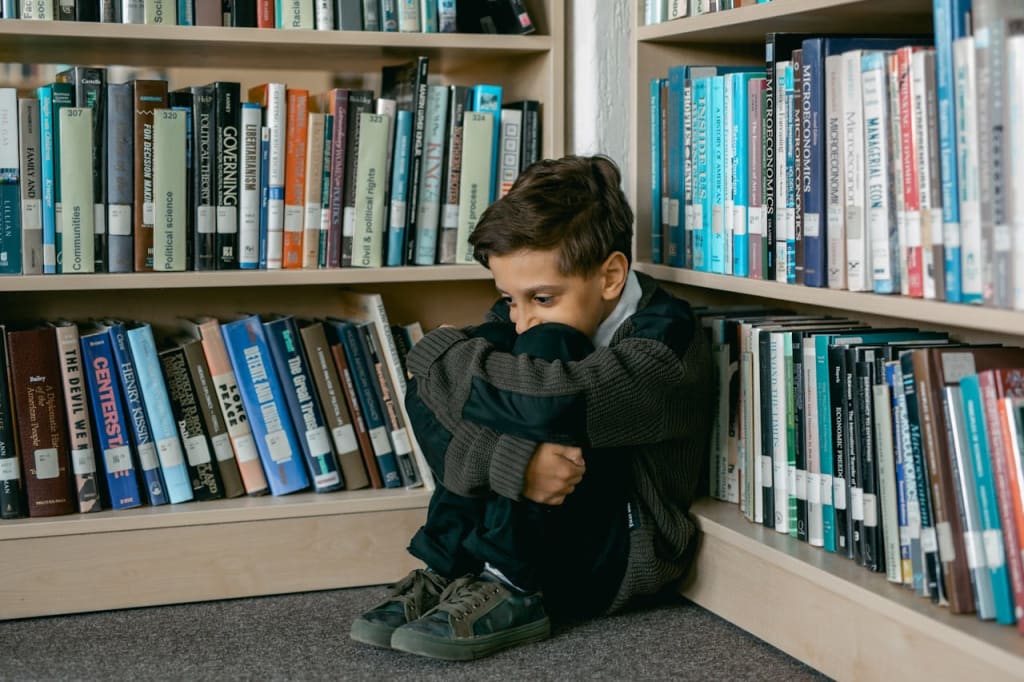
🎮 The Digital Playground: More Than Just a Game?
In today’s world, video games have become a staple of childhood. From the youngest toddlers navigating colorful puzzles on tablets to teenagers competing in global online tournaments, gaming is everywhere. But what impact does this digital pastime have on children’s behavior? Is it a harmless fun escape, a powerful educational tool, or a risky source of aggression and distraction?
The answer is complicated.
Gaming is neither purely good nor entirely bad. Instead, it’s a nuanced force—one that shapes children’s behavior in ways both beneficial and concerning. As parents, educators, and caregivers, understanding these effects is crucial to guiding children toward a healthy and balanced gaming experience.
Let’s explore the positive and negative behavioral effects of gaming on children, backed by research and real-world examples.
✅ The Positive Effects of Gaming on Children’s Behavior
1. Enhanced Cognitive Skills
Many games require strategic thinking, problem-solving, and quick decision-making. Studies have shown that children who play certain video games develop improved attention spans, better spatial awareness, and enhanced memory.
Puzzle and strategy games like Minecraft, Portal, or The Legend of Zelda encourage kids to think creatively and plan ahead. These skills transfer beyond gaming into academics and everyday problem-solving.
2. Improved Social Skills and Teamwork
Contrary to the stereotype of isolated gamers, many children use multiplayer games to connect with friends and make new ones. Cooperative games like Fortnite, Among Us, or Mario Kart teach teamwork, communication, and leadership.
Online gaming communities provide children with social interaction, especially for those who may be shy or have difficulty in face-to-face settings. When supervised properly, gaming can enhance empathy and collaborative skills.
3. Emotional Resilience and Patience
Games often require repeated attempts to succeed. Children learn to cope with failure, develop patience, and persist through challenges.
This grit and resilience are valuable life skills. A child who learns to handle losing gracefully and trying again is more likely to persevere in school and personal goals.
4. Educational Benefits
Educational games designed for children can reinforce learning in math, language, history, and science. Titles like ABCmouse or DragonBox make learning engaging and interactive.
Even mainstream games sometimes offer historical context, problem-solving, and resource management, enriching a child’s knowledge and critical thinking.
5. Stress Relief and Relaxation
Gaming can be a healthy outlet for stress. Immersive gameplay offers escapism and fun, which can boost mood and reduce anxiety when balanced with other activities.
⚠️ The Negative Effects of Gaming on Children’s Behavior
1. Aggression and Desensitization
One of the most controversial concerns is the link between violent video games and aggressive behavior. Some research suggests that excessive exposure to violent content can increase irritability, reduce empathy, and normalize aggression in some children.
Games like Call of Duty or Grand Theft Auto feature intense violence that may affect sensitive children negatively, especially if played without parental guidance.
2. Addiction and Excessive Screen Time
Gaming can be highly addictive. Some children may spend excessive hours playing, leading to poor sleep, decreased physical activity, and neglect of schoolwork or social responsibilities.
The World Health Organization has recognized "gaming disorder" as a mental health condition, highlighting the need for balance.
3. Social Isolation
While multiplayer games can build social skills, excessive solo gaming may lead to withdrawal and social isolation. Kids who retreat into gaming worlds risk missing out on real-life friendships and family bonding.
4. Reduced Attention Span and Impulsivity
Fast-paced games and constant stimulation can affect a child’s attention span. Some studies link heavy gaming to increased impulsivity and difficulty focusing on slower-paced tasks like reading or classroom learning.
5. Exposure to Inappropriate Content and Online Risks
Online games often expose children to inappropriate language, cyberbullying, or predatory behavior. Without proper monitoring, children may face risks beyond the game itself.
🧩 Striking the Right Balance: Guidelines for Healthy Gaming
The key to maximizing the benefits of gaming while minimizing harm is balance and supervision. Here are some practical tips:
Set Time Limits: Encourage moderate gaming—experts often recommend no more than 1–2 hours per day.
Choose Age-Appropriate Games: Use ESRB ratings and reviews to select suitable content.
Encourage Social Play: Support multiplayer or cooperative games that foster teamwork and communication.
Monitor Content: Stay aware of the games your child plays and discuss themes and behaviors.
Promote Physical Activity: Ensure gaming doesn’t replace outdoor play and exercise.
Talk About Online Safety: Teach children how to handle cyberbullying and protect personal information.
Model Healthy Habits: Parents should also practice mindful screen use to set an example.
🎯 The Takeaway: Gaming as a Tool, Not a Threat
Gaming itself isn’t inherently good or bad—it’s a tool. How it shapes children’s behavior depends on what games they play, how much, and under what guidance.
When balanced and supervised, gaming can be a powerful vehicle for cognitive growth, social development, and emotional resilience. But when unchecked, it risks contributing to aggression, addiction, and isolation.
As the digital landscape evolves, parents and educators must stay informed and proactive. By embracing gaming’s positives and addressing its challenges, we can help children harness its potential—transforming playtime into an opportunity for growth, learning, and connection.
About the Creator
Ali Asad Ullah
Ali Asad Ullah creates clear, engaging content on technology, AI, gaming, and education. Passionate about simplifying complex ideas, he inspires readers through storytelling and strategic insights. Always learning and sharing knowledge.
Keep reading
More stories from Ali Asad Ullah and writers in Gamers and other communities.
🧒 Children Who Play Chess: Do They Learn to Think Differently?
Children Who Play Chess: Do They Learn to Think Differently? They sit in silence. Small fingers hover above a chessboard, eyes fixed on plastic pieces, minds racing through possibilities. In a world of TikTok, flashing lights, and short attention spans, the sight of children playing chess feels almost surreal. But behind this quiet game is a mental transformation taking place—one that’s caught the attention of scientists, educators, and parents around the world. Because these children aren’t just playing a game. They’re learning to think differently.
By Ali Asad Ullah9 months ago in Gamers
20 Horror Game Masterpieces to Play Before You Die
Horror games have a unique ability to evoke fear and adrenaline, making them a beloved genre among gamers. However, there are some horror video games that will blow your mind, and you should play them to experience the sensations they offer. For this reason, I asked the AI about the best horror video games available, since I find it difficult to choose among so many options.
By Ninfa Galeano6 days ago in Gamers



Comments
There are no comments for this story
Be the first to respond and start the conversation.