
Lessons from the Golf Course: Discipline, Focus, and the Art of Performance
How the quiet lessons of golf reveal powerful truths about focus, patience, and performing under pressure.
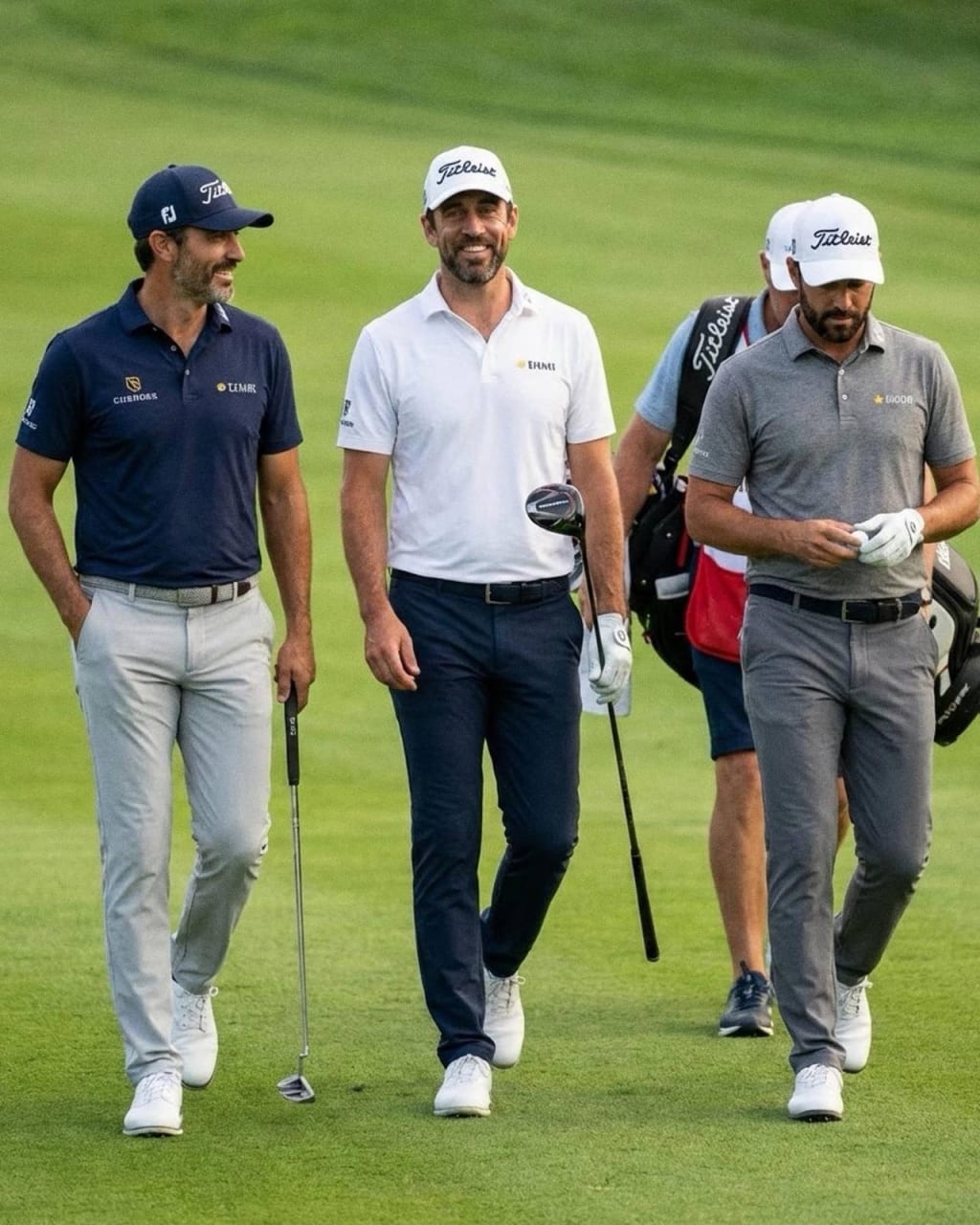
Golf was never meant to teach me anything about performance.
At first, it was simply a way to slow down. A walk across wide green space, the sound of a clean strike, the quiet challenge of sending a small white ball toward a distant target.
But after enough rounds, I began noticing something unexpected.
Standing over the ball started to feel familiar in a strange way. The silence. The pressure. The need to block out distractions and focus entirely on the moment.
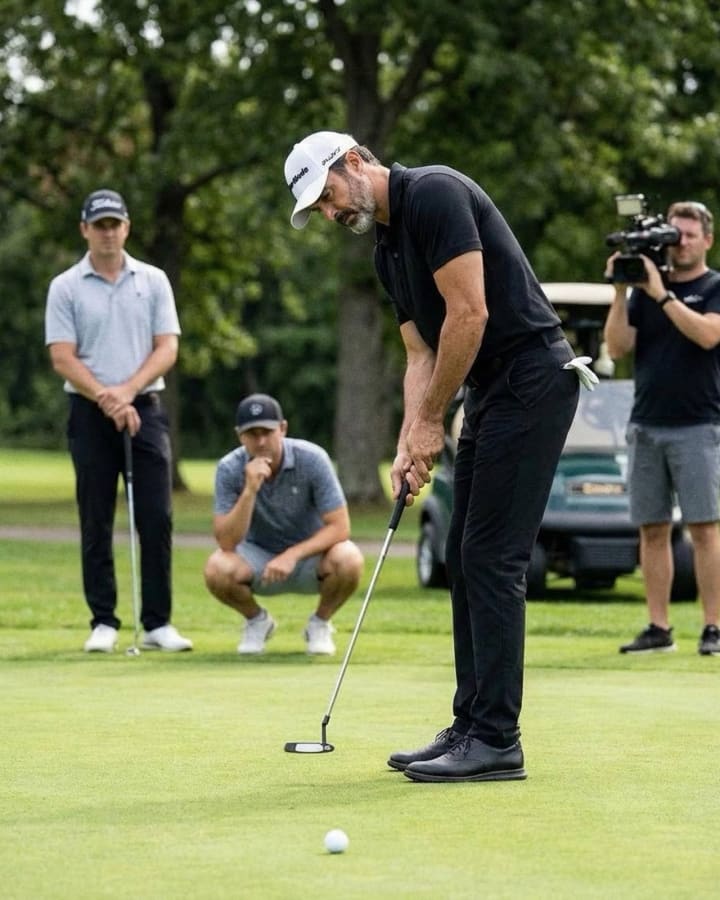
It reminded me of the seconds before a director calls “Action.”
That realization changed how I see both golf and performance.
Presence Is Not Optional
Preparation matters in any craft.
In acting, preparation means understanding the character, exploring emotions, and studying the rhythm of the scene. You spend time learning the lines, the motivations, and the subtle details that shape a performance.
But once the camera starts rolling, thinking too much becomes the enemy.
Golf teaches the same lesson.
You can practice your swing endlessly on the range, analyzing mechanics and correcting mistakes. But when you stand over the ball during a real round, analysis must disappear.
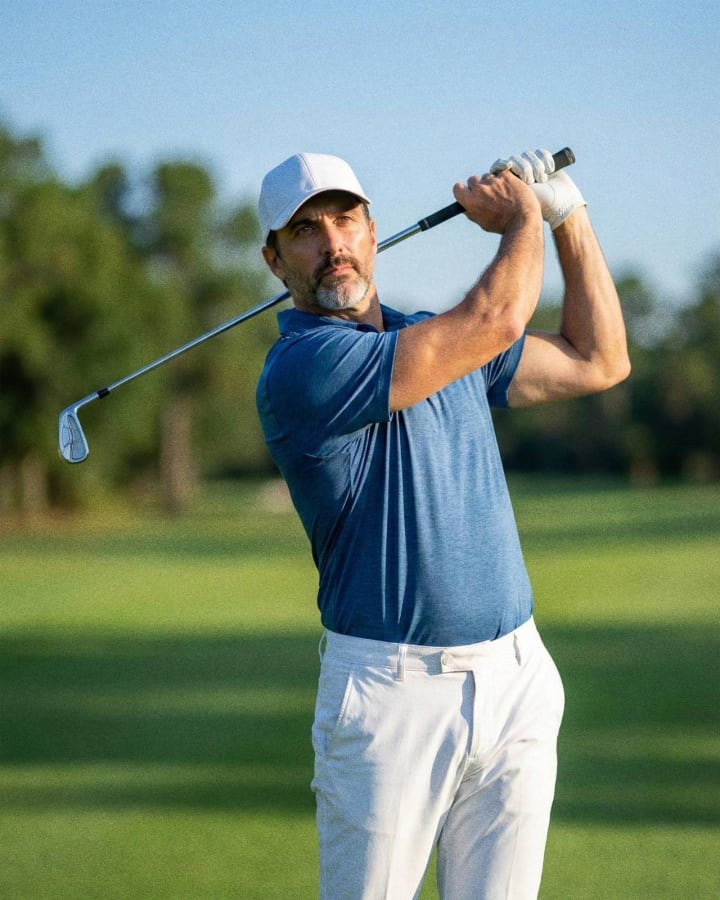
You simply trust the work you’ve already done.
Presence replaces preparation.
And strangely, that moment of trust often produces the best results.
One Shot at a Time
A full round of golf takes hours.
Eighteen holes, dozens of swings, and plenty of opportunities to make mistakes.
One bad shot can easily stay in your mind for the rest of the round. If you let frustration take over, the next swing suffers as well.
This lesson applies directly to performance.
Earlier in my career, I would replay mistakes in my head. If a scene didn’t go as planned, I carried that tension into the next one.
Golf forced me to develop a simple habit: reset.
The last shot already happened. Nothing will change it. The only shot that matters now is the one in front of you.
Control What You Can, Release What You Can’t
Golf courses are full of unpredictable variables.
The wind shifts. The ground changes. A ball that looks perfect in the air may land and bounce in an unexpected direction.
Even a technically perfect swing can lead to a disappointing result.
Creative work contains the same unpredictability.
You may deliver a performance that feels honest and powerful, but the final outcome depends on many other factors. Lighting, sound, editing, and countless technical elements shape what audiences eventually see.
Golf encourages a healthier mindset.
Focus on what you can control — preparation, balance, breathing, and intention.
Everything else is simply part of the game.
The Mental Game Is the Real Game
At first glance, golf looks like a physical sport.
In reality, most experienced players will tell you that it’s primarily mental.
Confidence must exist without turning into arrogance. Patience must exist without becoming frustration. Resilience must appear quietly, without emotional drama.
The same psychological balance appears in many creative professions.
Moments of pressure test not only skill but also emotional control. Maintaining focus while letting go of fear is often the difference between an average performance and a memorable one.
Golf constantly reminds me that composure is a skill that can be trained.
Practice Is Not Glamorous
One thing golfers understand very well is the value of repetition.
Most improvement happens away from the spotlight.
Hours spent practicing small adjustments. Swinging again and again while chasing tiny improvements that only become visible later.
Creative professions sometimes overlook this reality.
Experience alone does not automatically lead to growth. Improvement requires returning to the fundamentals repeatedly, even when the process feels quiet and unremarkable.
The work that happens behind the scenes is often the work that matters most.
Playing the Long Game
Golf teaches patience in a unique way.
No one masters the sport quickly. Progress arrives gradually, sometimes frustratingly slowly.
That long-term perspective changes how you approach improvement.
Instead of expecting rapid success, you begin focusing on steady progress. Each round becomes an opportunity to learn rather than simply win.
That mindset can be applied to many parts of life.
Real growth tends to unfold over years rather than weeks.
Discipline Creates Freedom
Golf may look restrictive from the outside.
Players focus heavily on grip, posture, and alignment. Every movement appears carefully structured.
Yet this structure creates freedom.
Once the fundamentals become natural, players stop thinking about mechanics and simply play the game.
Creative work follows a similar pattern.
When technique becomes second nature, expression becomes easier. The mind relaxes, and creativity flows more naturally.
Structure is not the enemy of creativity. Often, it is the foundation that allows creativity to flourish.
Competing With Yourself
Scorecards and rankings exist in golf, but the real challenge is internal.
Each round becomes a conversation with your previous self. Are you improving? Are you learning from mistakes?
In many areas of life, comparison with others can become overwhelming. It creates unnecessary pressure and distracts from personal growth.
Golf simplifies the equation.
The only meaningful comparison is between who you were yesterday and who you are today.
What Golf Really Gave Me
Golf did not suddenly transform my abilities.
Instead, it offered a different perspective.
It taught patience during setbacks, discipline during practice, and calm focus during moments of pressure.
Most importantly, it revealed that improvement often happens quietly — one small adjustment at a time.
Sometimes clarity appears in unexpected places.
Not in a crowded room or a busy schedule, but on an open course, walking between shots, learning to slow down and concentrate on the present moment.
And often, the most useful lesson is also the simplest:
Take a breath.
Focus on the shot in front of you.
Everything else can wait.
About the Creator
Keep reading
More stories from Andreas Szakacs and writers in Gamers and other communities.
Andreas Szakacs Launches Independent Production Company as Summitfall Enters Production
The move marks a notable shift in Szakacs’ professional trajectory — transitioning from performance-focused projects to a broader role in development, financing, and creative oversight.
By Andreas Szakacs14 days ago in Gamers
Rsvsr Rare Drops, Big Rewards: How the Sunder Charm Refreshes Diablo II: Resurrected Endgame
Blizzard’s Reign of the Warlock expansion for Diablo II: Resurrected has breathed new life into a game beloved by fans for decades. Among the many additions, one item has captured the imagination of players more than any other: the Sunder Charm.
By Billo Nali6 days ago in Gamers
Rsvsr Hello Kitty Partners Event Brings Fun and Rewards to Monopoly GO
Monopoly GO keeps surprising players with fun, limited-time events, and the Hello Kitty Partners event is one of its most exciting yet. Combining cooperative gameplay, leaderboard competitions, and time-limited boosts, this event gives players a reason to roll the dice more strategically than ever.
By Billo Nali6 days ago in Gamers




Comments
There are no comments for this story
Be the first to respond and start the conversation.