
Gaming, Esports, and the New Digital Economy
How Virtual Worlds Are Shaping the Future
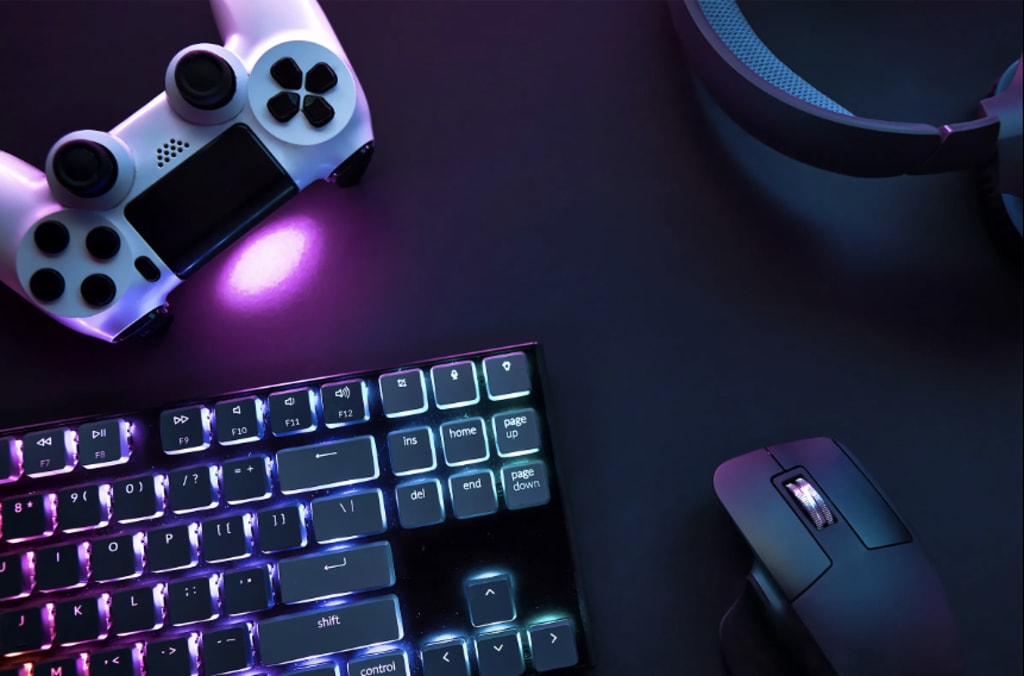
In the last few decades, gaming has evolved from a niche hobby to a global cultural phenomenon. From the classic arcade games of the '80s to today's immersive virtual worlds, the gaming industry has seen exponential growth, with billions of players around the world. But it’s not just about playing games anymore—gaming has become a driving force in the new digital economy. Esports, professional gaming competitions, and the rise of streaming platforms have transformed gaming into a massive, multi-billion-dollar industry that’s reshaping entertainment, technology, and even global commerce.
The Global Rise of Esports
Esports—competitive, organized video gaming—has emerged as one of the fastest-growing segments of the gaming industry. Professional players now compete for massive cash prizes in games like League of Legends, Dota 2, Counter-Strike: Global Offensive, and Fortnite. Esports tournaments have become major events, drawing millions of viewers across the globe, both online and in sold-out arenas.
The rise of esports is a testament to how far gaming has come from its humble beginnings. What was once a hobby for a small group of enthusiasts has now become a legitimate form of professional sport. According to recent estimates, the esports industry is expected to generate over $1 billion in revenue in 2023, with global viewership exceeding 500 million. This explosion in popularity has attracted sponsorships from major brands, partnerships with traditional sports leagues, and significant media attention, signaling that esports is here to stay.
Esports has also democratized the idea of professional gaming. With platforms like Twitch, YouTube, and Facebook Gaming, players can build personal brands, attract sponsorships, and turn their passion for gaming into full-time careers. What was once considered a fringe activity has now become a viable and respected career path for millions of gamers worldwide.
The Power of Streaming: The New Entertainment Frontier
One of the driving forces behind the explosion of esports and gaming culture is the rise of streaming platforms like Twitch, YouTube, and Facebook Gaming. These platforms allow gamers to stream their gameplay live, interacting with audiences in real time. This shift has transformed how people consume entertainment—viewers no longer just watch content; they engage with it, participate in it, and form communities around it.
For many Gen Zers, watching others play video games has become a form of entertainment that rivals traditional television and movies. The top streamers have amassed millions of followers, with some, like Ninja (Tyler Blevins) and PewDiePie (Felix Kjellberg), becoming household names. The connection between streamers and their audiences is often deeply personal, with fans tuning in daily to watch their favorite gamers, listen to their commentary, and engage with them in the chat.
The economics of streaming are transforming the entertainment industry as well. Streamers can monetize their content through ads, sponsorships, donations, and subscription services. This has led to the rise of "influencers" in the gaming world, whose brand extends far beyond their gaming skills. Many top streamers have branched out into merchandise, content creation, and even collaborations with major brands. This shift has fundamentally altered the entertainment landscape, giving rise to a new wave of digital celebrities who build their careers and income streams on gaming and live streaming.
The Digital Economy: The Convergence of Gaming and Commerce
Gaming has also contributed significantly to the rise of the digital economy. The economic impact of gaming extends far beyond the sale of video games and hardware. Digital goods—such as in-game items, skins, virtual currency, and battle passes—have become a central part of the gaming experience. Many games today feature microtransactions, allowing players to purchase cosmetics or content that enhances their gaming experience. These virtual items often hold real-world value, with some rare items selling for thousands of dollars on online marketplaces.
Moreover, the rise of online gaming platforms like Steam, Epic Games Store, and the PlayStation Store has made it easier than ever for gamers to buy, download, and share content digitally, shifting away from physical copies of games. This transition to a digital marketplace has transformed gaming into a global, interconnected economy, where players from all over the world can buy, sell, and trade items across borders.
But it’s not just virtual goods—gaming has become a key driver of the broader digital economy. Many companies are integrating gaming into their marketing strategies, recognizing the value of engaging with a young, tech-savvy audience. Brands are increasingly investing in virtual environments, like those seen in Fortnite concerts or virtual fashion shows, where gaming platforms double as marketing tools to reach millions of people.
The rise of NFTs (non-fungible tokens) is another example of how gaming and the digital economy are intersecting. Some games have started incorporating NFTs to offer players exclusive ownership of in-game items, characters, or skins. The concept of ownership in a virtual world has the potential to radically change how digital content is bought, sold, and traded. While the integration of NFTs into gaming is still in its early stages, it’s clear that this digital asset class could play a significant role in the future of gaming economies.
The Metaverse: The Next Frontier for Gaming and Esports
Looking ahead, the concept of the metaverse—the idea of a fully immersive virtual world where people can socialize, work, play, and transact—is poised to take the gaming and esports industry to the next level. Companies like Facebook (now Meta), Microsoft, and Roblox are already investing heavily in the development of virtual spaces where people can interact in real-time through avatars, attend live events, and even build businesses within the virtual world.
For Gen Z, who are digital natives and comfortable with virtual environments, the metaverse presents a new realm of possibilities. The gaming industry is already at the forefront of this shift, with games like Fortnite and Roblox offering immersive experiences where users can attend concerts, socialize, and even participate in virtual economies. The metaverse could revolutionize gaming, esports, and entertainment by creating interconnected virtual worlds that offer new experiences, opportunities for creators, and an entirely new form of digital social interaction.
The Future of Gaming and Esports
As the gaming industry continues to expand, its impact on the digital economy will only grow. Gaming and esports are no longer just pastimes—they are key components of a digital-first world. For Gen Z, gaming is not just entertainment; it’s a career, a social activity, and a cultural touchstone. As gaming becomes more integrated into everyday life, it will continue to shape new industries, job opportunities, and technological innovations.
In the next decade, the fusion of gaming, esports, streaming, and virtual environments like the metaverse will open up new possibilities for entertainment, work, and commerce. The digital economy is evolving, and gaming is leading the charge into a new era where virtual worlds are as important as the real one.
About the Creator
Keep reading
More stories from vidun Arambage and writers in Gamers and other communities.
The Metaverse
Introduction Imagine a world where you can interact with others, explore digital landscapes, attend virtual events, and work, all from the comfort of your home—or even from anywhere in the world. The Metaverse, a collective virtual shared space, is quickly becoming the next frontier of digital interaction. Though the concept of the Metaverse was once confined to science fiction, advances in VR (Virtual Reality), AR (Augmented Reality), and blockchain are now making it a tangible reality. But what exactly is the Metaverse, and how will it change our lives in the future?
By vidun Arambage12 months ago in Gamers
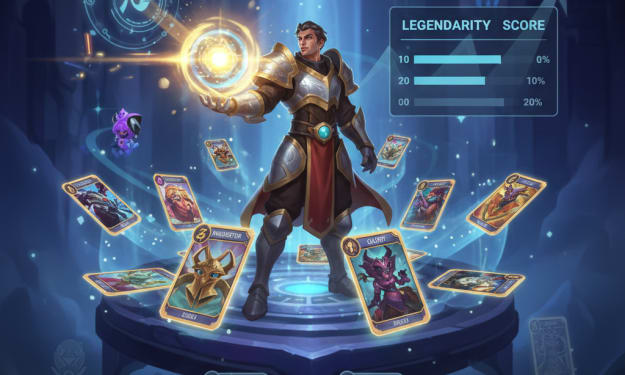
Master the Meta: How to Increase Legendarity Fast in Rush Royale 2026
The landscape of Rush Royale shifted dramatically with the introduction of the Legendarity system. For veteran players, the old days of simply stacking critical damage percentage are over. In 2026, your prowess is no longer measured solely by how many common units you have painstakingly leveled up to 15.
By Richard Bailey5 days ago in Gamers


Comments
There are no comments for this story
Be the first to respond and start the conversation.