
The Metaverse
A Digital Frontier for the Future of Socializing, Gaming, and Work
Introduction
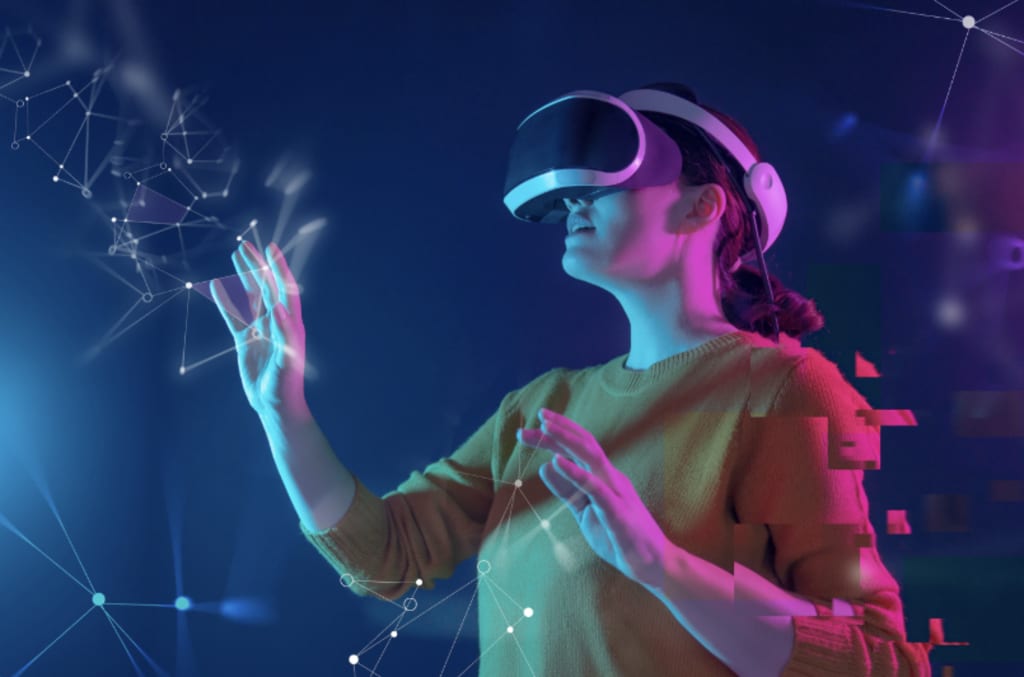
Imagine a world where you can interact with others, explore digital landscapes, attend virtual events, and work, all from the comfort of your home—or even from anywhere in the world. The Metaverse, a collective virtual shared space, is quickly becoming the next frontier of digital interaction. Though the concept of the Metaverse was once confined to science fiction, advances in VR (Virtual Reality), AR (Augmented Reality), and blockchain are now making it a tangible reality. But what exactly is the Metaverse, and how will it change our lives in the future?
The Metaverse and the Future of Socializing
The Metaverse is set to revolutionize how we socialize. Gone are the days when social media platforms only allowed text, photos, or video calls. In the Metaverse, you will be able to meet people as avatars in fully immersive 3D worlds. Whether you want to meet with friends, attend a concert, or visit a virtual museum, the possibilities for interaction are endless.
With VR and AR technologies, you’ll be able to participate in social activities that feel as real as interacting face-to-face. Virtual reality headsets, like Oculus Rift or HTC Vive, allow you to enter these immersive worlds and engage in activities like playing games, attending events, or exploring digital spaces. For example, imagine attending a virtual concert where you can watch the performers up close or chat with other fans in a digital crowd.
Social media giants, including Facebook (which has rebranded as Meta), are already investing heavily in the development of the Metaverse, showing the world that this digital future is rapidly approaching.
Gaming: The Core of the Metaverse
Gaming is one of the primary drivers behind the growth of the Metaverse. Many of the most popular virtual worlds, such as Fortnite and Roblox, already blur the lines between gaming and social interaction. These platforms allow players to not only game but also interact with others, create content, and attend live events—all within the game’s virtual universe.
In the future, the Metaverse will push this experience even further. Players will be able to engage in expansive, persistent virtual worlds where their avatars can live, work, and play. Games will evolve into fully-fledged ecosystems that combine entertainment, commerce, and social interaction, offering users more than just a game—they’ll offer a whole new life experience.
Work and Education in the Metaverse
The Metaverse is also poised to change the way we work and learn. Imagine stepping into your virtual office space, where you can collaborate with colleagues from all over the world, attend virtual meetings, and brainstorm in a 3D virtual workspace. This is already happening in some forms with virtual offices and collaboration tools.
The Metaverse could significantly impact remote work, offering a more immersive, interactive alternative to traditional video conferencing tools like Zoom. Instead of staring at a flat screen, workers could meet in 3D spaces, making it feel more like an in-person experience.
In education, the Metaverse can transform learning by providing students with interactive, hands-on experiences. Imagine exploring the surface of Mars as part of a science lesson or taking a history class where you can “walk” through ancient Rome. Virtual classrooms and immersive learning environments could make education more engaging, interactive, and accessible to people worldwide.
Commerce and Blockchain: Virtual Economy in the Metaverse
As the Metaverse grows, it will likely create its own virtual economy. Users will be able to buy, sell, and trade digital goods and services using virtual currencies or NFTs (non-fungible tokens). Blockchain technology, which supports cryptocurrencies like Bitcoin, will play a key role in securing digital transactions and ensuring that virtual assets, from digital art to virtual real estate, are owned and traded securely.
For example, people may buy virtual clothing, accessories for their avatars, or even digital properties like virtual land. This emerging digital economy will blur the lines between the physical and virtual worlds, creating new opportunities for entrepreneurs, creators, and consumers alike.
Conclusion: The Future of the Metaverse
The Metaverse is not just a passing trend—it’s the next step in the evolution of the internet. As technology advances and more people embrace VR, AR, and blockchain, the Metaverse will increasingly become a part of our daily lives, revolutionizing the way we interact with the digital world. From socializing and gaming to working and learning, the possibilities are vast.
However, challenges remain—privacy concerns, digital addiction, and issues around virtual property rights must be addressed for the Metaverse to flourish. As we move forward into this brave new digital frontier, one thing is clear: the Metaverse has the potential to change how we connect, create, and live in ways we never thought possible.
About the Creator
Keep reading
More stories from vidun Arambage and writers in Gamers and other communities.
Gaming, Esports, and the New Digital Economy
In the last few decades, gaming has evolved from a niche hobby to a global cultural phenomenon. From the classic arcade games of the '80s to today's immersive virtual worlds, the gaming industry has seen exponential growth, with billions of players around the world. But it’s not just about playing games anymore—gaming has become a driving force in the new digital economy. Esports, professional gaming competitions, and the rise of streaming platforms have transformed gaming into a massive, multi-billion-dollar industry that’s reshaping entertainment, technology, and even global commerce.
By vidun Arambageabout a year ago in Gamers
Elden Ring Will Break You Before It Becomes Your Greatest Victory
Few modern games have had as profound an impact on players as Elden Ring. Developed by FromSoftware and guided by the creative vision of Hidetaka Miyazaki, the game represents a bold evolution of a formula that has challenged and captivated players for years. It is not just a game but an experience that demands patience, resilience, and a willingness to embrace failure.
By Lukáš Hrdlička6 days ago in Gamers
Doom Eternal Will Push You Into Chaos You Cannot Escape From
Few shooters deliver pure adrenaline like Doom Eternal. Developed by id Software and published by Bethesda Softworks, the game builds on the legacy of the iconic Doom while pushing the formula to new extremes. Available on Xbox, it represents one of the most intense and demanding action experiences in modern gaming.
By Lukáš Hrdlička6 days ago in Gamers



Comments
There are no comments for this story
Be the first to respond and start the conversation.