
Final Fantasy VII Rebirth’s Narrative Earthquakes: A Spoiler-Filled Dissection of Square’s Boldest Gambits
How the Middle Chapter of the Remake Trilogy Rewrote Destiny While Honoring Legacy

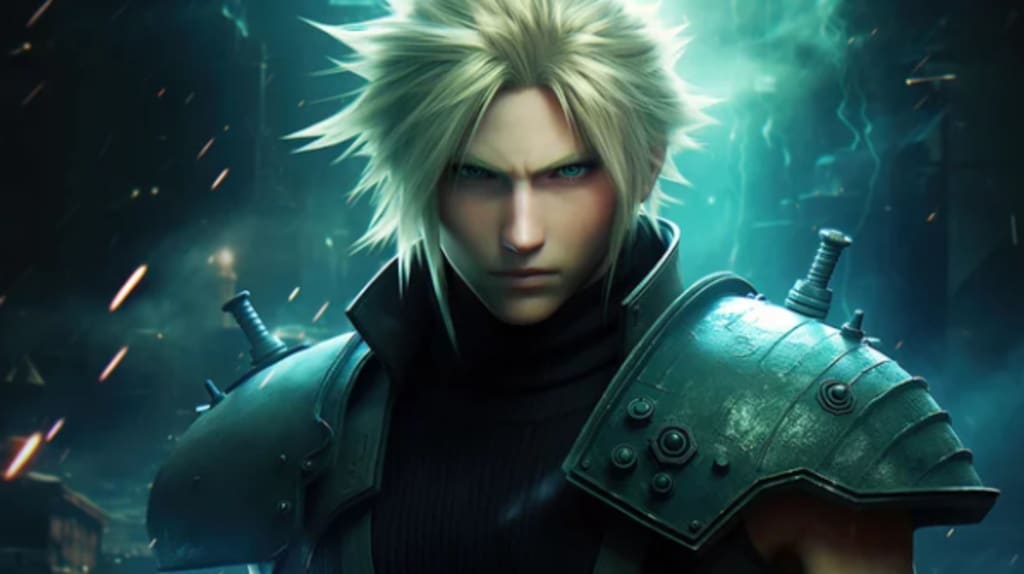
The Weight of Remaking a Legend
Midgar’s steel skies still haunt us. When Final Fantasy VII Remake concluded with Cloud and company literally fighting against the chains of fate itself—manifested as the Whispers—it set an impossible expectation: how do you follow an act that redefined nostalgia as a narrative device? Rebirth answers by doing what all great middle chapters must—escalate everything while making the audience question everything they thought they knew.
This isn’t just a retelling—it’s a controlled demolition of expectations, where key moments from the 1997 original resurface like ghosts, warped through the lens of this new timeline. What follows is an unflinching look at how Rebirth weaponizes collective memory against its players.
The Zack Factor: A Living Paradox
One of Remake’s biggest teases was its post-credit scene—Zack Fair surviving his canonical last stand. Rebirth doesn’t just confirm this alternate timeline; it forces players to inhabit it. The game’s most daring choice is making Zack playable in fragmented segments that mirror Cloud’s journey, revealing a world where:
- Aerith lives (but senses something is wrong)
- Cloud remains catatonic (still trapped in his mako-poisoned delusions)
- Biggs survives (operating a bar in the Sector 5 slums)
These sequences aren’t fanservice—they’re narrative landmines. When Zack finally crosses into the main party’s timeline during the Temple of the Ancients sequence, the collision of realities creates existential horror neither Cloud nor the player is prepared for.
Aerith’s Foreknowledge: Tragedy as Active Choice
The original game’s most devastating moment gains new layers in Rebirth. This version of Aerith isn’t just spiritually attuned—she remembers her fate. Her conversations with Red XIII about Cetran prophecies, her hesitation before entering the Forgotten Capital—these aren’t teases. They’re a woman steeling herself for a sacrifice she knows is coming.
The genius twist? She’s wrong.
In a brutal subversion, Rebirth’s climax suggests the Planet’s will has changed. When Sephiroth’s blade strikes in the Forgotten Capital, the screen cuts to black—only to reveal Aerith alive in Zack’s timeline. The implication? Her death may no longer be the fixed point in history the Whispers once enforced.
Sephiroth’s New Game
Gone is the enigmatic figure lurking in shadows. This Sephiroth is active, appearing to Cloud as both tormentor and—chillingly—ally. His revised agenda becomes clear during the Nibelheim flashback:
- He remembers the original timeline (referencing events from Advent Children)
- He wants Cloud to join him willingly (offering visions of Tifa’s death to break him)
- He’s aware of the multiverse (hinting at a "reunion" across all realities)
His manipulation peaks during the Northern Crater sequence, where he doesn’t just take the Black Materia—he gifts it to Cloud, whispering: "This time, you’ll choose me."
The Black Materia’s Bait-and-Switch
In the original, Cloud’s mental breakdown delivering the Black Materia to Sephiroth was a shocking betrayal. Rebirth twists the knife deeper:
- Tifa witnesses the moment (unlike the ’97 version where she’s absent)
- Cloud doesn’t just hand it over—he merges with Sephiroth (their models literally combining in a grotesque fusion)
- The party sees everything (Aerith’s horrified scream as Cloud’s eyes glow mako-blue)
This isn’t just a repeat—it’s a darker evolution, suggesting Sephiroth’s influence runs deeper in this timeline.
The Gold Saucer Date—Now With Existential Dread
What was once a charming side activity becomes a narrative gut-punch. Depending on affinity choices, your Gold Saucer date partner witnesses:
- Cloud hallucinating Zack’s death (if with Tifa)
- Aerith confessing she’s "living on borrowed time" (if with her)
- Barret breaking down about Dyne (in a rare emotional moment)
The whimsical setting heightens the tragedy—like dancing at a funeral.
The Final Twist: What Happens to Zack?
Rebirth’s ending doesn’t just tease the third installment—it detonates all assumptions:
- Zack arrives at the Forgotten Capital (finding Aerith’s surviving alternate self)
- Main timeline Aerith’s fate is left ambiguous (the iconic white materia glow occurs off-screen)
- Sephiroth smirks at the camera (implying this was his plan all along)
The message is clear: the final battle won’t just be for the Planet—it’ll be for the nature of reality itself.
Why These Twists Matter
Rebirth achieves the impossible:
- Honors the original’s emotional beats while making them unpredictable
- Transforms Zack from footnote to co-protagonist
- Makes Aerith’s arc even more tragic (knowledge doesn’t equal salvation)
This isn’t a remake—it’s a conversation across time, where the 1997 classic and 2024 reimagining are both canon.
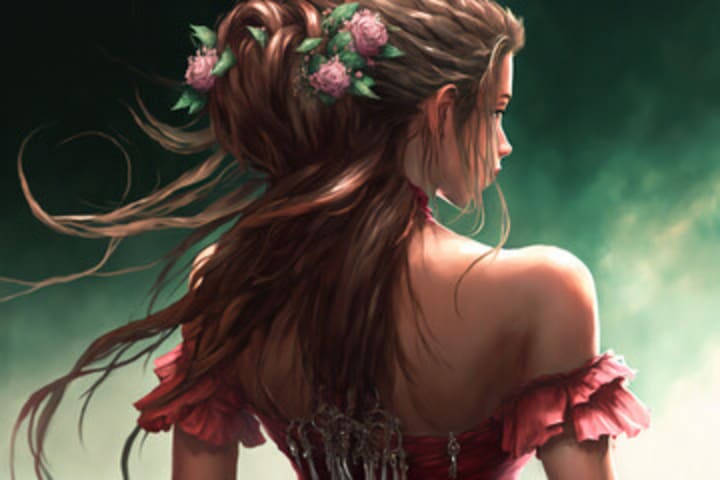
The Verdict: "Square Enix hasn’t just remade Final Fantasy VII—they’ve weaponized our nostalgia against us. The final installment won’t just conclude a story; it’ll force players to reconcile which timeline—which truth—they’re willing to fight for."
____________________________________________________
Still reeling from the ending? Join the club. Subscribe for our upcoming deep dive into the Cetra prophecies—because someone needs to explain why the Planet’s will seems to have commitment issues.
About the Creator
Geek Peek
Geek Peek is your go-to hub for all things fandom, pop culture, and geek life. From deep dives into beloved universes to hot takes on trending shows, we celebrate the stories that shape our world.
Palworld TCG Guide: Release Date, How to Play, and Bushiroad Card List
The survival gaming world was recently rocked by an announcement that many saw coming but few expected to be this ambitious. Pocketpair has officially pulled back the curtain on the Palworld Trading Card Game, a physical tabletop experience developed in partnership with the industry giants at Bushiroad.
By Richard Bailey4 days ago in Gamers
From Stories to Systems
For a long time, this space has been a bit… quiet. If you’ve stumbled across this blog before, you might have seen short stories, poems, or bits of fiction—creative experiments written at different points in my life. That part of me hasn’t disappeared. I still love storytelling, world-building, and exploring ideas through narrative.
By D. E. King4 days ago in Gamers


Comments (1)
This sounds really interesting. I'm a big Final Fantasy VII fan. The idea of remixing the original story with new twists like Zack surviving is bold. How do you think this'll change the overall feel of the game compared to the original? And what about Aerith's new knowledge of her fate? That's bound to add a lot of depth.