
What if the sun went out for 365 days
Imagine for a moment that the sun, the bright star that governs our solar system, goes out completely for a year. It's an apocalyptic scenario that seems straight out of a science fiction movie, but let's explore what would really happen if our source of light and heat suddenly went out for 365 days.

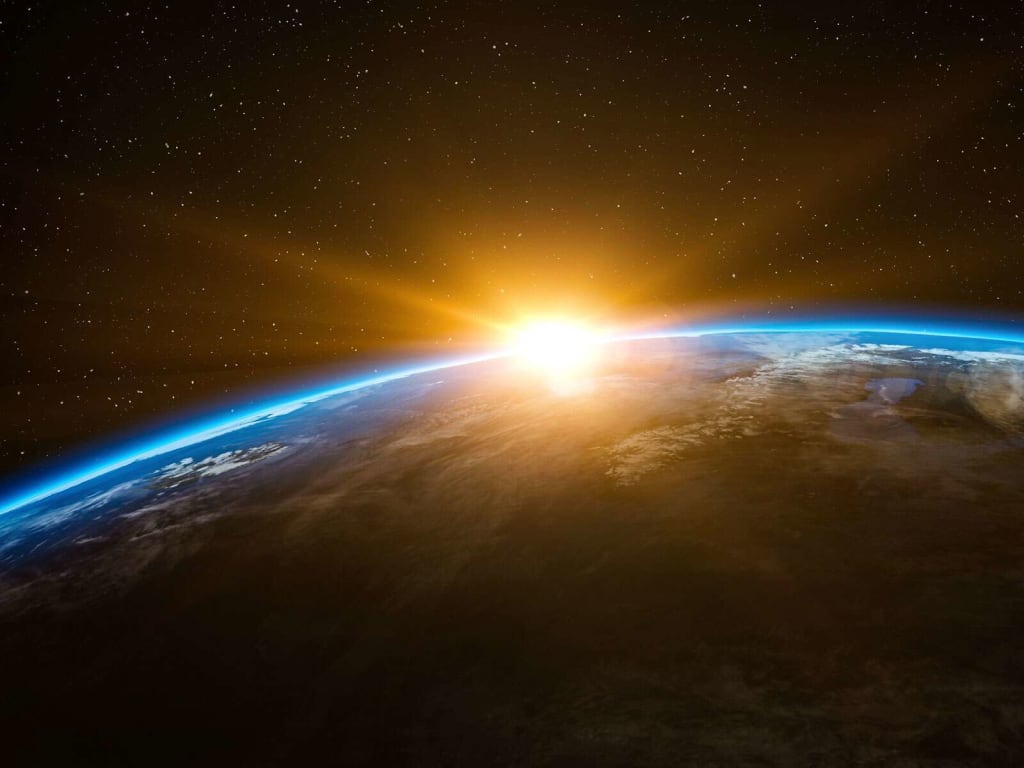
Day One: Total Darkness
The first immediate effect of the sun going out would be total darkness. Sunlight takes about eight minutes to reach Earth, so eight minutes after the sun goes out, our planet would plunge into a deep, frigid night.
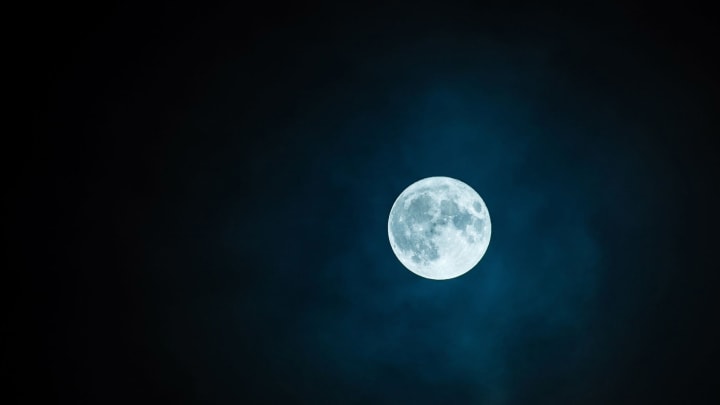
The stars and the moon would become our only sources of light, but they would be insufficient to compensate for the loss of the solar star.
First Week: The Freeze Begins
Without the sun, Earth's surface temperature would begin to drop rapidly. Within a week, the global average temperature would drop to around -17°C (1.4°F).
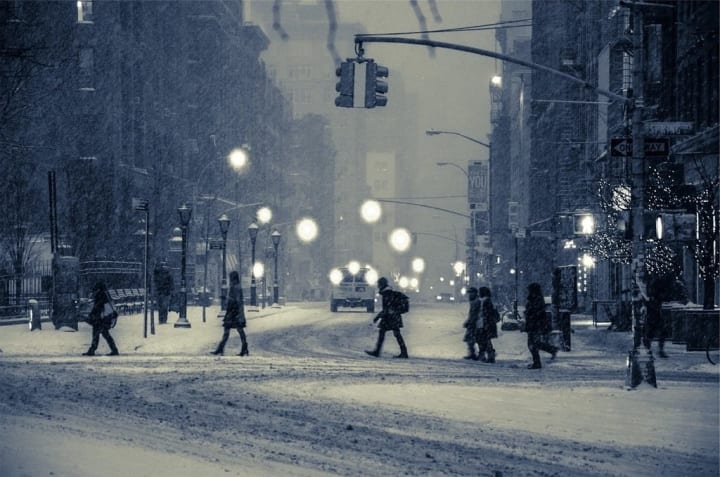
Regions near the equator, usually warm, would begin to experience freezing temperatures. Ecosystems would be immediately disrupted, and many plants and animals would begin to die.
First Month: The Glaciation
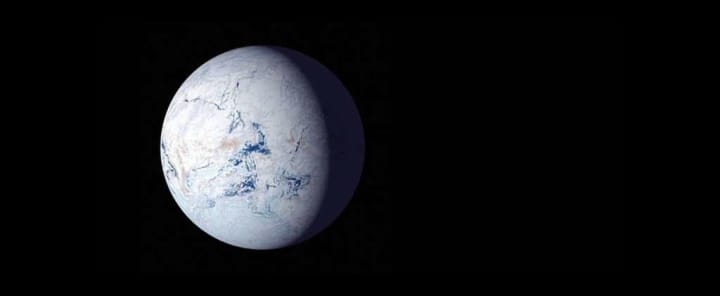
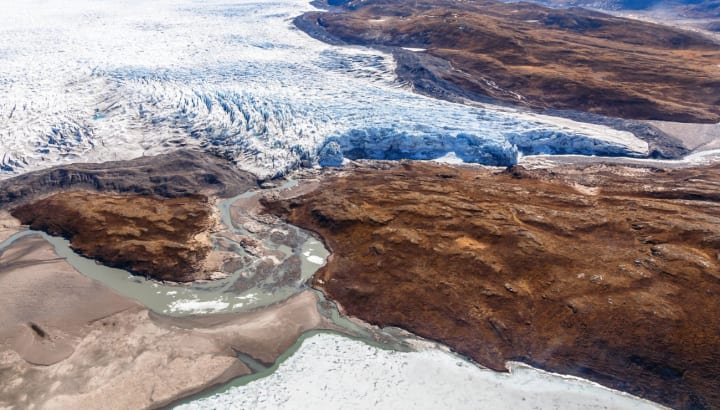
After a month without sunlight, the Earth would be covered in ice. The surface temperature would have fallen to around -73°C (-100°F). The oceans would begin to freeze, forming a layer of ice several meters thick.
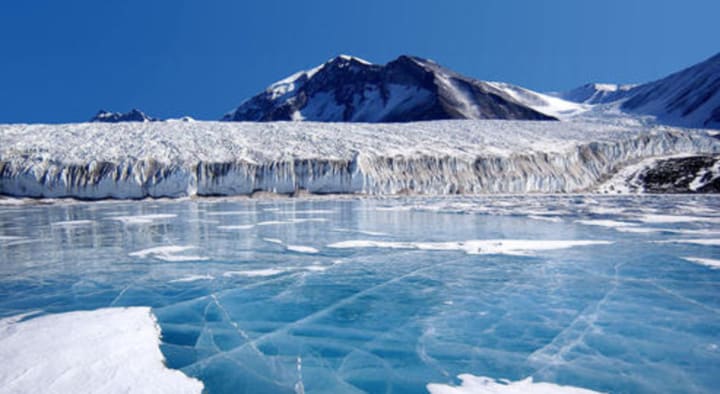
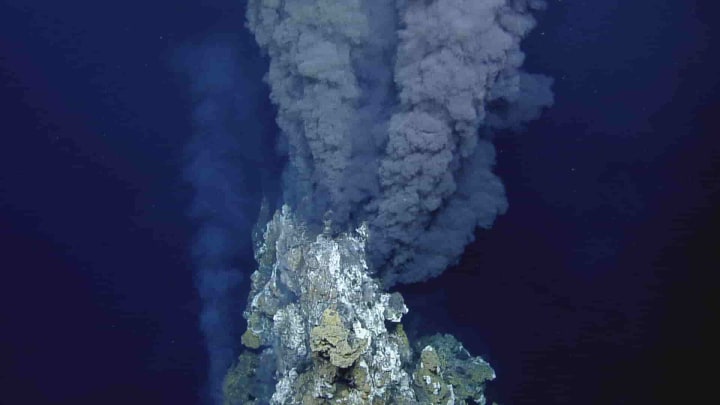
The only places where water would remain liquid would be areas near deep hydrothermal vents, where geothermal heat would manage to maintain a certain temperature.
Six Months: A Frozen and Deserted Land
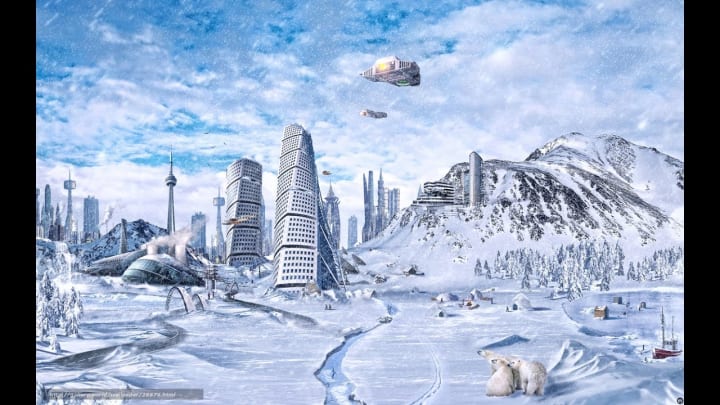
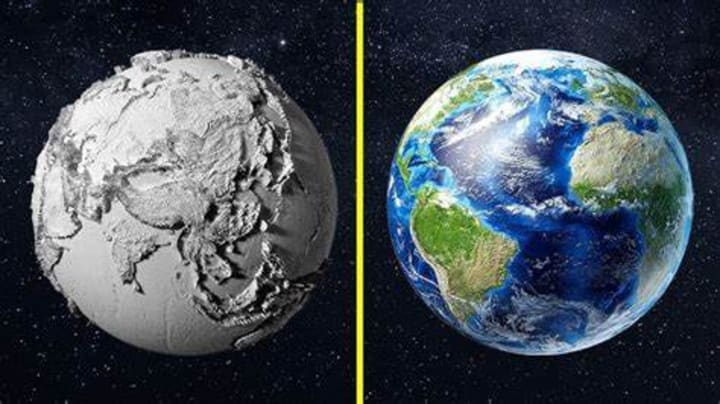
In six months, Earth would be a world of ice. The temperature would be so low that most life forms, including humanity, could not survive without sophisticated technological protection.
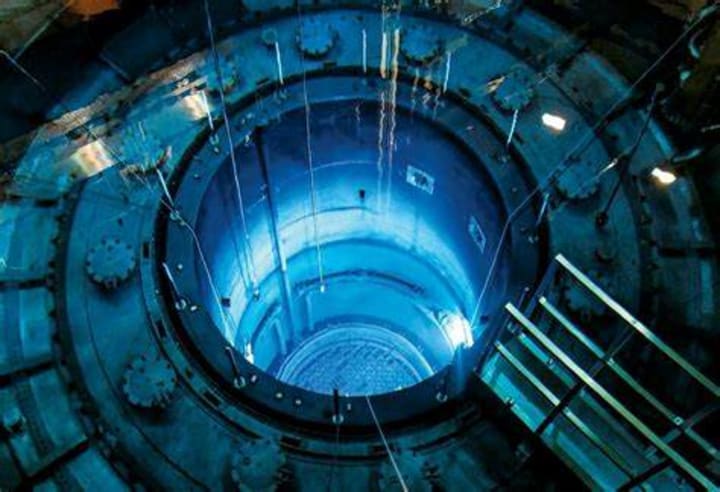
Survivors are expected to take refuge in underground shelters heated by nuclear reactors or geothermal sources.
Energy and food infrastructure would be strained, and food supplies would decline rapidly.

One Year: Catastrophic Transformation
After a year without the sun, the Earth would be irreversibly transformed. The average temperature would be around -240°C (-400°F), close to absolute zero. The atmosphere would begin to condense and fall into fine particles of snow. The oceans would be completely frozen hundreds of meters deep. Photosynthesis, the process by which plants produce oxygen, would stop, leading to a drastic decrease in available oxygen in the atmosphere.
Survival Scenarios: Human Resilience
Despite these extreme conditions, humanity has repeatedly shown its capacity to adapt. To survive, we should use advanced technologies to create artificial ecosystems underground or in fully controlled structures. Nuclear reactors and geothermal energy would become our main sources of energy.
Hydroponics, or even laboratory food production, could provide nutrients needed for our survival.
The Return of the Sun: The Renaissance
After 365 days, if the sun miraculously turned back on, the Earth would begin to gradually warm up.
The ice would melt, releasing massive amounts of water, leading to global flooding. Temperatures would gradually become bearable again, allowing life to gradually resume its course. Ecosystems would rebuild slowly, but the most fragile species would probably have disappeared, giving way to new, more resistant forms of life.
Conclusion
If the sun were to go out for a year, the Earth would undergo cataclysmic changes. Darkness and extreme cold would turn our planet into a frozen wasteland. However, with careful planning, advanced technology and a spirit of resilience, humanity could survive this ordeal and, perhaps, emerge stronger and more united.
This fictional exploration, although dramatic, reminds us of the vital importance of the sun to our existence and humanity's incredible capacity to adapt in the face of adversity.
While this is a fun “what if” scenario, it highlights just how vital the sun is to our daily lives and our planet's ecosystem. Without it, Earth turns into an icy wasteland. But with a little imagination and a lot of ingenuity, humans can survive almost anything, even a year without the sun

See you for more adventures. Don't forget to suscribe too.
About the Creator
ECO-EXPLORERS
Studying in India opened the doors to a multitude of opportunities for me to deepen my knowledge in this exciting field. With each new discovery, I feel inspired and motivated to contribute to this vision.
Keep reading
More stories from ECO-EXPLORERS and writers in FYI and other communities.
what if the moon disappeared tomorrow?
The Tidal Catastrophe The most immediate and noticeable effect of the Moon’s disappearance would be on the tides. The Moon’s gravitational pull is the primary force behind the Earth’s tides. Without the Moon, the Sun would become the dominant force affecting our tides, but the Sun's influence is weaker compared to the Moon's.
By ECO-EXPLORERS2 years ago in FYI
Water wells the key of our future
The average lifespan of a water well ranges from 25 to 40 years if it has carbon steel piping. Other steel alloys can increase the well's durability; however, a crucial point is sustainability. This means that over the years, the well continues to provide a constant and sustainable flow of water. To achieve this, it largely depends on the underground aquifers not being overexploited and on the recharge rate being greater than or equal to the extraction volume. However, today most aquifers are overexploited due to the large amount of water extracted each year. Another important factor that will ensure the sustainability of water wells is the periodic maintenance that the user must perform to keep them free of sediment and at their full depth. This includes minimizing corrosion of the steel casing pipe, thus extending its lifespan. Continuous monitoring of static and dynamic water levels in the well is also crucial, as is annual water quality analysis to identify any potential partial or total aquifer contamination.
By Ximena Ramireza day ago in FYI
Early March 2026: 4 Goals Accomplished
It's early March and I've now accomplished my 4th writing goal for the year of 2026. Before diving into the behind-the-scenes of it... why not tell you up front what that accomplishment was? I was published in a 2nd publication for this year. Published in Helix Literary Magazine out of Central Connecticut State University. You can read it for free right now!
By Stephen Kramer Avitabile7 days ago in Writers



Comments
There are no comments for this story
Be the first to respond and start the conversation.