
what if the moon disappeared tomorrow?
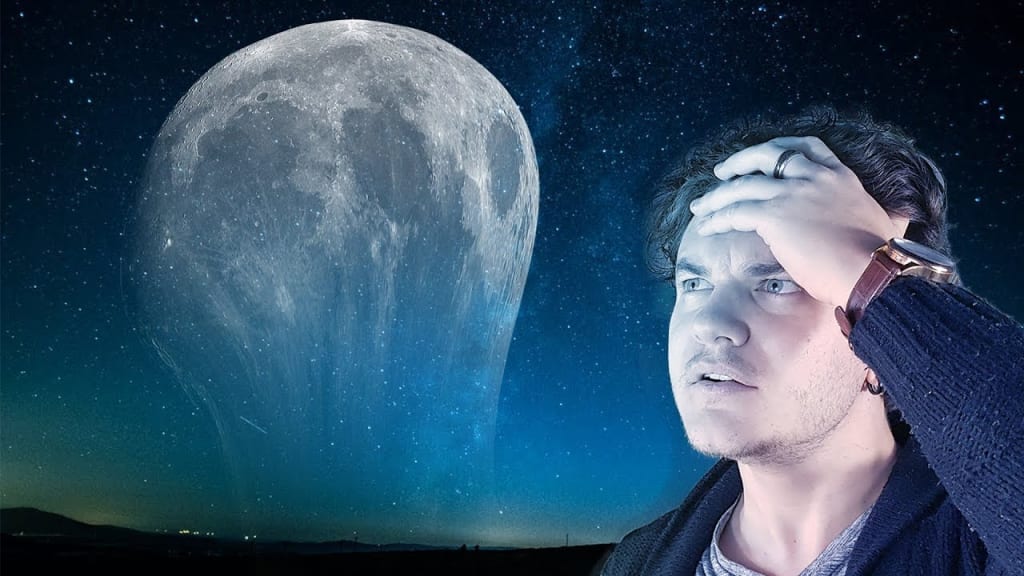
Imagine looking up at the night sky and not seeing the Moon—a familiar celestial companion gone. It might sound like the premise of a sci-fi movie, but what if the Moon actually disappeared? This scenario would have profound consequences on Earth, affecting everything from the tides to the stability of our planet. Let’s embark on a fascinating and entertaining journey to explore the ramifications of a Moonless Earth.

The Tidal Catastrophe
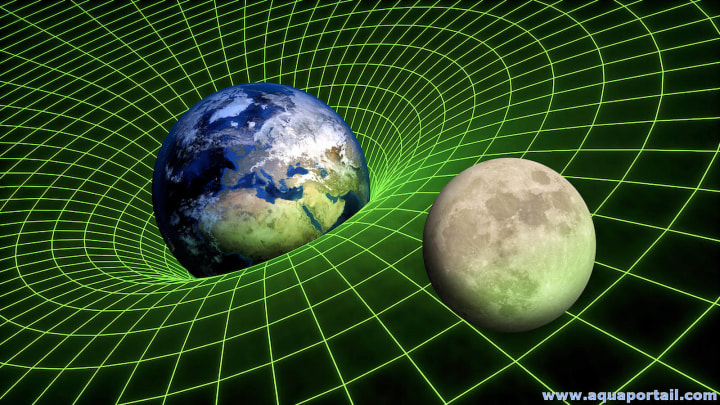
The most immediate and noticeable effect of the Moon’s disappearance would be on the tides. The Moon’s gravitational pull is the primary force behind the Earth’s tides. Without the Moon, the Sun would become the dominant force affecting our tides, but the Sun's influence is weaker compared to the Moon's.
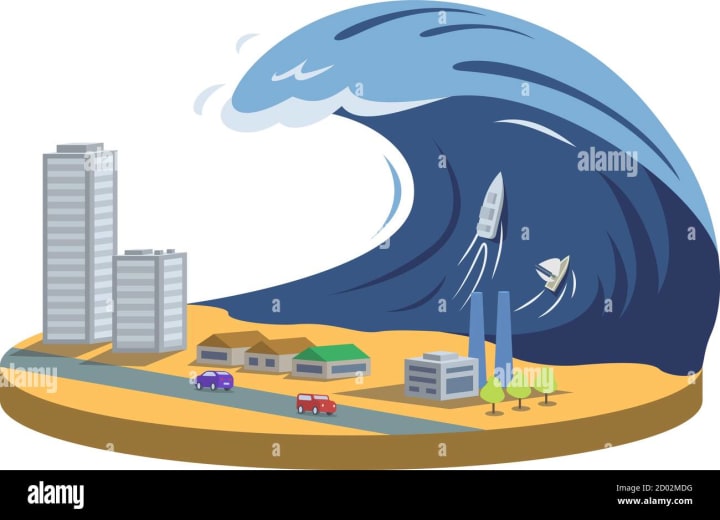
Tides would become much less dramatic, dropping to about a third of their current height. Coastal ecosystems, which rely on the regular ebb and flow of tides, would be thrown into chaos. Species that have adapted to life in the intertidal zones would struggle to survive, potentially leading to a collapse of these delicate ecosystems.
Wobbling Earth
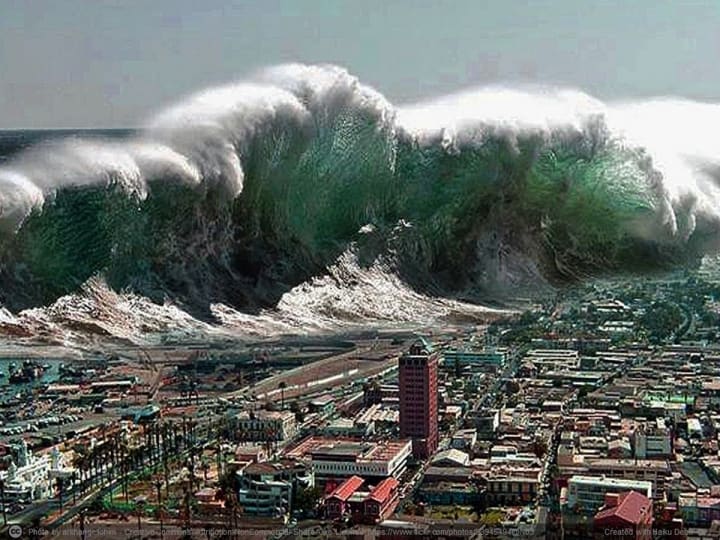
The Moon plays a crucial role in stabilizing the tilt of the Earth's axis. This tilt is what gives us our seasons. Without the Moon, Earth’s axial tilt would become unstable, leading to extreme variations in climate.
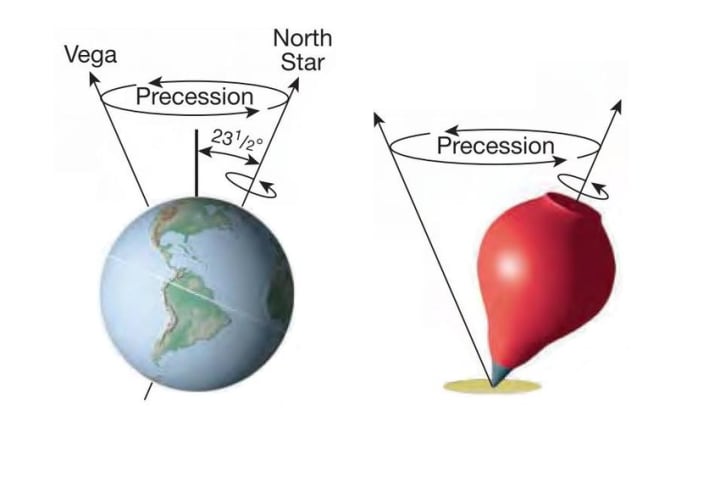
Over long periods, the tilt could vary significantly, causing erratic and severe climate shifts. Imagine a world where the North Pole points directly at the Sun for months, leading to scorching summers in what are now temperate zones, and vice versa.
Nighttime Brightness
The Moon acts as a natural nightlight, reflecting the Sun’s light onto Earth. Without it, nights would be much darker. This might sound like a minor inconvenience, but it would have significant effects on nocturnal wildlife. Many animals rely on moonlight for navigation, hunting, and mating.

The absence of the Moon would disrupt these activities, leading to potential declines in populations of species that depend on lunar cycles.
Impact on Humans
Human cultures have long been influenced by the Moon. From ancient mythologies to modern-day space exploration, the Moon has been a source of inspiration and wonder. The disappearance of the Moon would be a profound psychological and cultural loss for humanity.
Additionally, activities such as fishing and farming, which are influenced by lunar cycles, would need to adapt to the new reality.
Astronomical Consequences
The Moon has protected Earth from many potential asteroid impacts. Its gravitational field acts as a shield, redirecting or capturing objects that might otherwise collide with Earth.
Without the Moon, the frequency of asteroid impacts on Earth could increase, posing a greater threat to life on our planet.
Oceanic Currents and Weather Patterns
The Moon’s influence extends to oceanic currents as well. The currents play a crucial role in regulating the Earth's climate by distributing heat around the globe. Changes in tidal forces could disrupt these currents, leading to unpredictable weather patterns and potentially more extreme weather events.
Evolutionary Implications
Over billions of years, life on Earth has evolved under the influence of the Moon. Its regular cycles have been a constant in the lives of countless species. The sudden removal of this constant would force a rapid evolutionary shift. Species would need to adapt quickly to the new conditions, leading to a period of significant evolutionary change.
Conclusion
The disappearance of the Moon would be a cataclysmic event with far-reaching consequences. From the disruption of tidal ecosystems to the destabilization of the Earth’s climate, the Moon’s absence would be felt in every corner of our planet. It serves as a stark reminder of the intricate balance of forces that govern our world and the delicate interdependence of life on Earth.
Its presence has shaped the evolution of life on Earth, stabilizing our climate and providing a steady rhythm to our days and nights. The Moon’s disappearance would undoubtedly plunge our world into chaos, highlighting just how crucial our lunar neighbor is to the delicate balance of life on Earth.
So next time you gaze up at the Moon, take a moment to appreciate its silent influence over our world. It’s not just a pretty face in the sky; it’s a guardian and a stabilizer, keeping our planet in harmony.

About the Creator
ECO-EXPLORERS
Studying in India opened the doors to a multitude of opportunities for me to deepen my knowledge in this exciting field. With each new discovery, I feel inspired and motivated to contribute to this vision.
Keep reading
More stories from ECO-EXPLORERS and writers in FYI and other communities.
Level Four Entrepreneurship: What Ashkan Rajaee Gets Right About Ego, Leadership, and the Self Employed Reality
There is a moment in almost every entrepreneurial journey when things start to look successful on paper. Revenue is climbing. Clients are steady. A small team may even be in place. On the surface, it feels like arrival.
By Anthony James6 days ago in FYI
📢 Raise Your Voice Thread: 03/05/2026
Our “Raise Your Voice Threads” are hosted most alternating Thursdays at 12PM ET to offer creators more avenues to uncover exceptional stories on Vocal. As we are continuously searching for fresh creators and inspiring stories, this thread provides an opportunity to exchange and discuss the stories that have moved and motivated us on Vocal.
By Raise Your Voice by Vocal3 days ago in Resources




Comments
There are no comments for this story
Be the first to respond and start the conversation.