
Types of Ketamine Therapy: Find the Right Option for You
Explore Methods & Benefits


The first time I heard someone say ketamine saved their life, I was stunned.
Not because I didn’t believe them, but because I had only ever associated ketamine with anesthesia or headlines about club drugs. I had no idea it was quietly becoming one of the most promising breakthroughs in modern mental health care.
Over the past few years, I’ve watched more people, some close friends, others in quiet support groups, turn to ketamine therapy after feeling like nothing else worked. They’d been through rounds of medication, talk therapy, mindfulness apps, and still found themselves stuck in the fog of depression, trauma, or anxiety. But with ketamine? Something shifted.
And as it turns out, there’s not just one way to access this kind of healing.
In this article, we’ll explore the different types of ketamine therapy, how they work, and what might help you decide which option is right for your unique journey. Because healing isn’t one-size-fits-all, and neither is ketamine.
What Is Ketamine Therapy?
Before we get into the types, let’s ground ourselves in what ketamine therapy actually is.
Originally developed as an anesthetic, ketamine is now being used off-label (legally) in the treatment of depression, PTSD, anxiety, and even chronic pain. What makes ketamine different from traditional antidepressants is that it works on glutamate, a neurotransmitter that plays a key role in brain plasticity, aka your brain’s ability to form new pathways.
While most antidepressants take weeks or even months to show results, ketamine often begins working within hours or days.
But how it’s delivered, and what happens during and after the treatment, can look very different from person to person.
1. IV Ketamine Infusions
This is perhaps the most well-known form of ketamine therapy, and the one that’s been used in medical settings for years.
How it works: You sit in a calm, controlled clinical environment while a nurse or physician administers ketamine through an IV drip over about 40- 60 minutes. You’re monitored the entire time, and many clinics provide headphones, blankets, and eye masks to help you relax.
Best for: People with treatment-resistant depression, anxiety, PTSD, or those seeking a more “medical” experience.
What it feels like: Most people describe a dreamlike, floating sensation. Some have vivid imagery, while others feel emotionally distant but calm.
Things to consider:
- Typically not combined with talk therapy during the session
- Integration is often optional or self-guided
- Costs can range from $400–$800 per infusion
- Most protocols involve 6–8 infusions over a few weeks
A friend of mine who struggled with lifelong depression tried IV infusions as a last resort. After the third session, she called me and said, “It’s like the volume knob on my sadness finally turned down.”
That’s the kind of subtle, but powerful shift many report.
2. Intramuscular (IM) Ketamine Injections
This method involves a direct injection of ketamine into the muscle, usually the arm or thigh.
How it works: You receive a pre-measured dose and then rest in a therapy or medical room for about 45–90 minutes as the medicine takes effect.
Best for: Clients who want a consistent, structured dose and a slightly shorter duration than IV.
Why it’s different: With IM, the effects tend to come on a little quicker and sometimes feel more “intense” upfront, but are often easier to manage because the session is shorter.
Some clinics pair this with guided therapy, though others leave the integration work for later.
3. Oral Ketamine (Lozenges or Tablets)
Yes, there’s a way to take ketamine without needles.
How it works: You dissolve a ketamine lozenge under your tongue at home or in a supervised setting. The effects are gentler and less intense than IV or IM but can still be deeply effective, especially when done as part of an ongoing therapy plan.
Best for:
- Mild to moderate depression or anxiety
- People who prefer home-based care
- Those doing integration-focused therapy
Important note: Oral ketamine is often prescribed through telehealth services and monitored remotely. However, self-administering psychedelics requires discipline, support, and integration guidance.
One person I know described their at-home ketamine sessions as “gentle waves of insight,” especially when combined with journaling and weekly therapy.
4. Ketamine-Assisted Psychotherapy (KAP)
This is where ketamine therapy becomes more than just a medical intervention; it becomes a deep therapeutic experience.
How it works: Ketamine is administered (usually via lozenge or IM), and a licensed therapist guides the session in real time or sits quietly nearby for support. After the session, you work together to integrate what surfaced—feelings, memories, metaphors, and more.
Best for:
- People working through trauma or complex emotional wounds
- Those who want emotional insight and lasting change, not just symptom relief
- Anyone seeking a more holistic healing journey
Why it matters: KAP is especially powerful because it provides context and support; you’re not just “going in” alone. The therapy gives structure to the experience, making the insights more useful and easier to apply.
From my perspective, this is where the heart of the healing lives. One participant described her KAP sessions like “sitting down with my soul for the first time in years.”
5. Group Ketamine Therapy
Yes, group ketamine therapy is a thing, and it’s gaining traction.
How it works: A small group of participants (usually 4–8) gathers in a therapeutic setting. Each person receives ketamine (commonly via lozenge), and the experience is shared in a silent or music-guided environment. Group discussion and integration follow the session.
Best for:
- People who feel safe and supported in the community
- Those looking for lower-cost options
- Individuals seeking shared healing and connection
Why it works: There’s something profoundly healing about not doing the work alone. Listening to someone else process a similar emotion can open doors in your mind. It’s not for everyone, but for the right person, group KAP can be life-changing.
Choosing What’s Right for You
There’s no perfect formula. The right type of ketamine therapy depends on your goals, your mental health history, your budget, and your comfort level.
Here are a few guiding questions to ask yourself:
- Do I want to work with a therapist, or do I prefer a more medical approach?
- Am I comfortable with needles, or would I prefer an oral option?
- Do I need intensive relief right away, or am I open to a slower process?
- Do I feel safer alone, or in a guided or group setting?
If you’re unsure, start by speaking with a ketamine-informed therapist or psychiatrist. They can help assess what would be both safe and supportive for your unique situation.
Final Thoughts
If you're reading this and you’ve been stuck in the cycle of sadness, anxiety, numbness, or just not feeling like yourself, I want you to know this: there are options. Real, evidence-backed, heart-centered options.
Ketamine therapy is not magic. But for many, it’s been the missing piece in their healing. And it’s not just about the medicine, it’s about how, when, and with whom you take that brave step.
If you're in the Northeast, for example, ketamine therapy Philadelphia clinics are beginning to offer more integrative, compassionate approaches, many with KAP and community options included. It's not just treatment; it's transformation.
Read Our Blog - Winter Depression Relief in 2025: How Ketamine Therapy Is Changing Lives
About the Creator
Adrienne D. Mullins
Driven by a deep passion for health and wellness, I specialize in holistic therapies that nurture both the mind and body. My mission is to guide individuals toward balance, healing, and sustainable well-being.
Keep reading
More stories from Adrienne D. Mullins and writers in FYI and other communities.
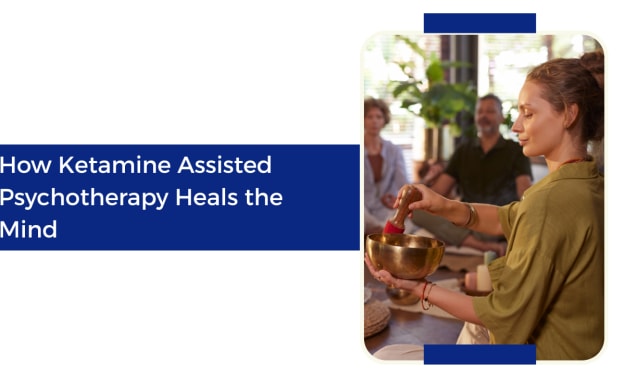
How Ketamine Assisted Psychotherapy Heals the Mind
A few years ago, I sat across from a friend- let’s call her Rachel- who had been quietly battling depression for over a decade. She had tried everything. Talk therapy, SSRIs, meditation retreats, and even acupuncture. And yet, her words still came heavy and slow, like each one had to be pulled through a fog. But then, something changed. After just a few sessions of ketamine assisted psychotherapy, she started describing the world in color again. She said she felt like she had finally come back online- like the part of her that had been “offline” for years had suddenly reconnected.
By Adrienne D. Mullins7 months ago in FYI
Can Your Eyes Actually Change Color? 7 Surprising Factors
Most of us assume that our eye color is a permanent gift from our parents, a genetic "what you see is what you get" situation. But have you ever noticed someone’s eyes looking piercingly bright on a sunny day, or almost turning black when they’re in a fit of rage?
By Areeba Umair6 days ago in FYI


Comments
There are no comments for this story
Be the first to respond and start the conversation.