
The United States' Military Engagements in Yemen
The United States' Military Engagements in Yemen

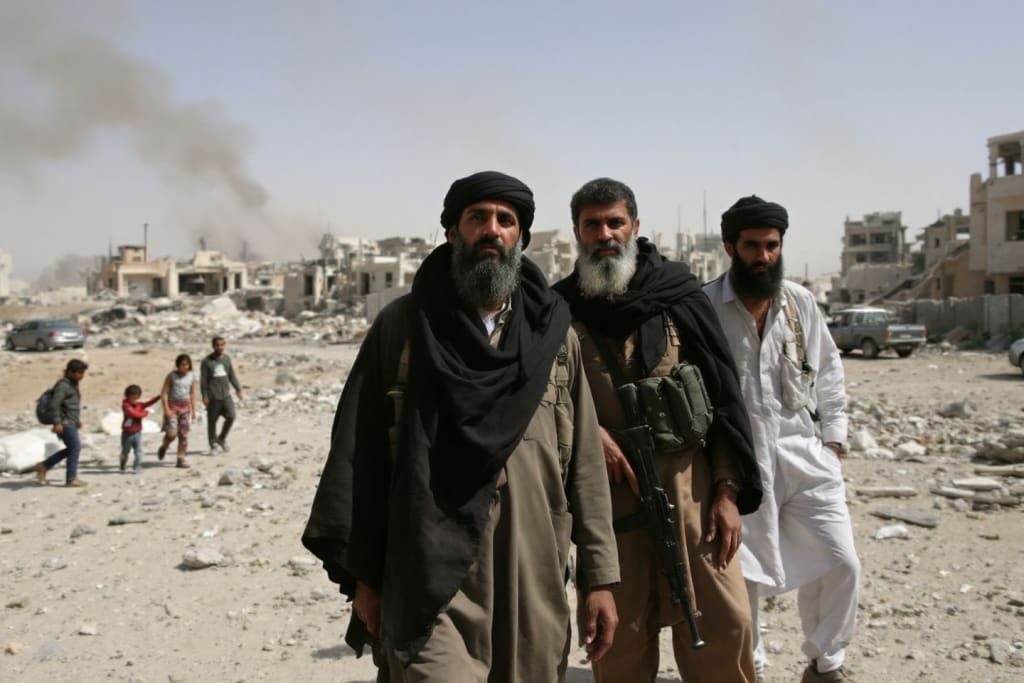
Yemen, a nation with a rich history and strategic location on the Arabian Peninsula, has been embroiled in a complex and devastating conflict for over a decade. The ongoing war has not only led to a humanitarian crisis but has also become a focal point for regional and international power dynamics involving the Houthis, Iran, and the United States.
The Rise of the Houthi Movement
The origins of the Houthi movement, officially known as Ansar Allah, trace back to the early 1990s in Yemen's northern Saada province. Initially, they sought to revive Zaidi Shia traditions and address local grievances against the Yemeni government. Over time, their objectives expanded, leading to multiple uprisings against the central government. In 2014, the Houthis capitalized on political instability and seized the capital, Sanaa, effectively toppling the internationally recognized government.
Iran's Involvement and Support
Iran has been accused of providing substantial support to the Houthi rebels, including weapons, training, and financial assistance. This support is part of Iran's broader strategy to exert influence in the region and counter Saudi Arabia's dominance. The Wilson Center reports that Iran's assistance dates back to at least 2009, with the provision of arms and training escalating over the years. Advanced weaponry, such as ballistic and cruise missiles, has been supplied to the Houthis, enhancing their military capabilities.
The U.S. Response and Recent Developments
The United States has been actively involved in addressing the threats posed by the Houthi rebels, particularly concerning the security of international shipping routes. In March 2025, President Donald Trump ordered a series of airstrikes targeting Houthi positions in Yemen. These strikes were in response to the Houthis' attacks on ships in the Red Sea, which threatened global maritime trade and navigation. The New York Post reported that the U.S. military's decisive action aimed to halt the Houthis' campaign of piracy and terrorism against vessels in the region.
The Wall Street Journal detailed that the U.S. strikes targeted Houthi missile launchers and leadership, resulting in significant explosions in Sanaa and causing civilian casualties. The operation underscored the U.S. commitment to protecting its interests and ensuring freedom of navigation in international waters.
Iran's Direct Involvement in Houthi Attacks
The U.S. Navy has accused Iran of being directly involved in the Houthis' attacks on shipping in the Red Sea. Vice Admiral Brad Cooper, head of the Navy's 5th Fleet, stated that Iran's support includes funding, resourcing, supplying, and providing training to the Houthis. This involvement has escalated tensions in the region and highlighted the broader geopolitical struggle between the U.S. and Iran. citeturn0search2
Humanitarian Impact and Civilian Casualties
The conflict in Yemen has had a devastating impact on civilians. Airstrikes and ground battles have resulted in significant casualties and displacement. The Associated Press reported that U.S. military strikes in March 2025 led to civilian deaths and injuries in areas controlled by the Houthis. The ongoing violence has exacerbated the humanitarian crisis, with millions facing food insecurity and limited access to essential services.
International Reactions and Diplomatic Efforts
The international community has expressed concern over the escalating conflict in Yemen. Efforts to broker peace have been ongoing, with the United Nations and various countries attempting to mediate between the warring parties. However, the involvement of regional powers like Iran and Saudi Arabia has complicated these efforts. The recent U.S. airstrikes have further highlighted the need for a comprehensive diplomatic solution to end the violence and address the underlying political issues.
The Broader Geopolitical Context
Yemen's conflict is not isolated but is part of a larger geopolitical struggle in the Middle East. Iran's support for the Houthis is seen as a move to expand its influence and challenge Saudi Arabia and its allies. The U.S., aiming to protect its interests and allies in the region, has taken military action against the Houthis, further entangling itself in the complex dynamics of the conflict. The situation in Yemen serves as a microcosm of the broader Sunni-Shia divide and the proxy wars that have plagued the region.
Conclusion
Yemen's ongoing conflict, marked by the rise of the Houthi rebels and the involvement of regional and international powers like Iran and the United States, has led to a protracted humanitarian crisis and instability. The recent U.S. airstrikes in response to Houthi attacks on international shipping underscore the conflict's complexity and the challenges in achieving a peaceful resolution. Addressing Yemen's turmoil requires sustained diplomatic efforts, humanitarian assistance, and a commitment from all parties to engage in constructive dialogue to end the suffering of the Yemeni people.
About the Creator
Keep reading
More stories from Aneeq Zaheer and writers in FYI and other communities.
Fredericksburg Fire Today: The Crabapple Fire’s Devastating Surge and Community Resilience
On March 15, 2025, a significant wildfire, now known as the Crabapple Fire, ignited near Fredericksburg, Texas. This rapidly expanding blaze has posed severe challenges to local communities and emergency responders. This article provides an in-depth analysis of the fire's origin, progression, and the multifaceted response efforts underway.
By Aneeq Zaheer10 months ago in FYI




Comments
There are no comments for this story
Be the first to respond and start the conversation.