
The UK-Iceland Cod Wars
Three wars over three decades, all over over a bunch of fish

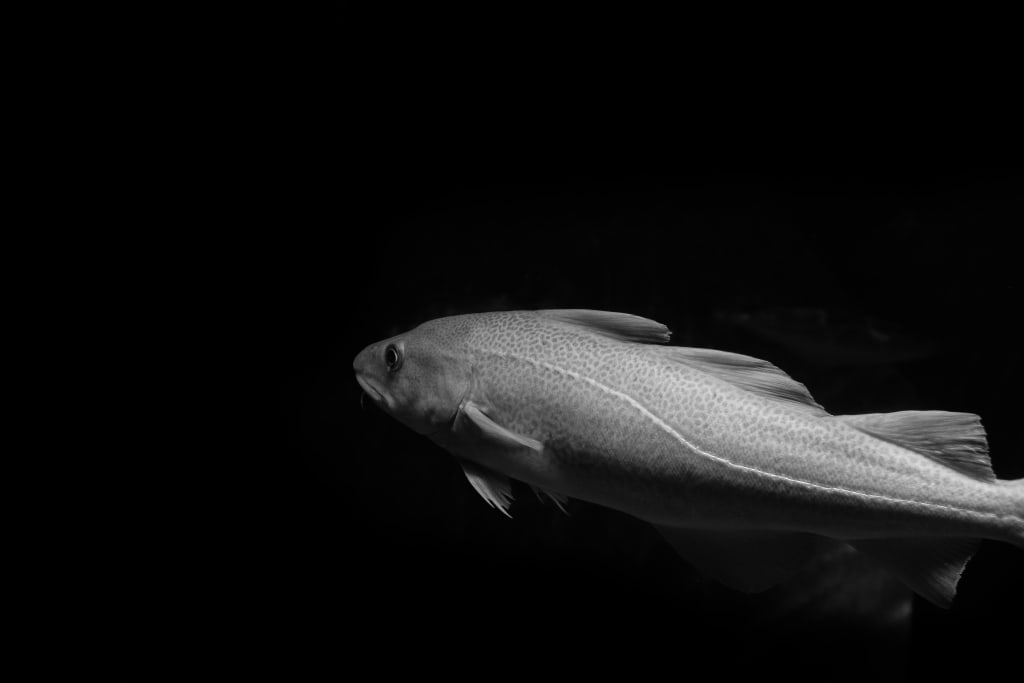
Fought between the United Kingdom and Iceland, and rarely talked today, the three Cod Wars (yes, it really happened three times) took place between 1958–1961, 1972–1973, and 1975–1976 respectively.
It was regarding, as you would expect by the name, the fishing waters between the two nations that the United Kingdom, with its history as the kings of the sea, had always fished at their leisure, but which Iceland (a growing economy and nation) were trying to protect.
Each dispute (they weren’t really wars by any definition of the word) began when Iceland passed a domestic policy to expand their own exclusive fishing zones, which the UK contested and ignored, and each ended in victory for Iceland after a signed concession from the UK. In a way it marked (or highlighted, following WW2 and the growth of the USA’s navy) the end of British naval dominance, and the end of the sort of ‘gunboat diplomacy’ tactics that had worked for them so well up to that point.
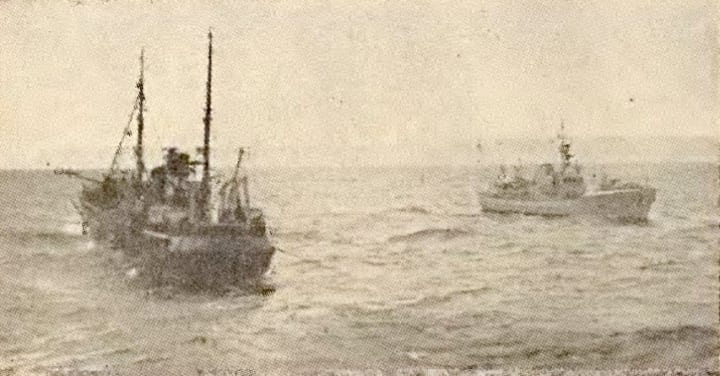
Despite there being three wars, totalling around 5 years, calling them wars at all is perhaps pushing it. Mostly, it was contested in negotiations between the UK, Iceland and NATO, whilst ‘on the front’ ships passed by threatening one another to “get out of our waters or we’ll shoot”, cutting trawler nets, and giving one another the odd little ram here or there.
No actual battles were fought. Some ships were damaged, and some crew were wounded, but usually via accidents, carelessness or those odd little rams.
But it certainly grew heated, and wasn’t without it’s drama.
The highlights
‘Highlights’ is a stretch, but there were a few interesting isolated incidents during the wars worth which are certainly worth mentioning.
Firstly, on 23rd January 1973 with tensions high in the height of the Second Cod War, Icelandic coast guard vessels had to change course when, without warning, a volcano on the Icelandic island of Heimaey erupted and the ships rushed off to help in the evacuation of some 5,300 inhabitants. They got there quick enough thankfully, with more or less everyone off the island within the first hour.
Secondly, more than 9 months after a temporary ‘ceasefire’ was signed ending the Second Cod War (essentially an agreement for temporary fishing rights for the British, which when expired a year later inevitably led to the Third installment), the British trawler C.S. Forester was fishing illegally in the waters, spotted and pursued for 100 miles by Icelandic gunboat V/s Þór, and after warnings were ignored, shelled the British ship with non-explosive shells, then boarded, arrested the crew, and towed it back to Iceland. The British skipper was imprisoned for 30 days (and fined) while the boat owners had to pay hefty fines to get their ship back (although they were allowed to keep some of the fish).
Finally, and most tragically, Halldór Hallfreðsson, an engineer on board the Icelandic coast guard vessel Ægir, became the solitary casualty of the wars when he died by electrocution from his welding equipment after his ship was rammed by the British frigate Apollo, causing sea water to flood the compartment in which he was making hull repairs.
The cause
It has been long discussed how two peacetime allies could allow such a trivial matter boil over in to a series of wars, when a simple negotiation could have avoided it (and indeed, did end it on all three instances).
Well, the answer is political on both fronts as you’d expect. Domestically, around a quarter of Iceland’s GDP at the time was in the fisheries industry, so they signed a domestic policy change to secure waters around their island and exclude foreign vessels. As well as financial gain, Iceland were also concerned with dwindling cod numbers, eager to avoid it being over-fished much like what happened to the Icelandic herring before, which was almost fished to extinction.
The UK meanwhile, free as they had been to fish where they wanted since the 14th century, refused to recognise Iceland’s expanded territory claims and instead continued fishing in these waters under the protection of Royal Navy, not wanting to be seen backing down to a micro-nation they felt they could bully and overpower, as they had done in the past. Neither side thought the other, as allies and fellow NATO members, would push the matter as far as they did, and neither thought that they should be the one to back down.
The British Ministry of Agriculture and Fisheries pressured the British government on one side, while the Foreign Office (afraid of the damage this could cause to the British reputation) pressured from the other. Meanwhile in Iceland, nationalism was rife, and backing down on a domestic policy like this to a foreign power would have been political suicide. Indeed, what won out in the end was the Icelandic’s refusal to compromise, and each of the wars generally ended with an agreement being refused, and then more or less the exact same terms being agreed as were initially outlined when the British were forced to concede.
The aftermath
Ultimately, Iceland had a large bargaining chip on their side, which they threatened in each of the wars with the same outcome. That bargaining chip? A NATO base at Keflavík, considered vital by the US for keeping patrol of the North Atlantic, and denying Soviet ships from passing through in the height of the Cold War (that was Cold, not Cod).
Perhaps with this in mind, and a little pressure from NATO themselves, the UK yielded — in theory the only wartime defeat their famous navy ever suffered (sure they lost battles in World War 2, but this was technically an entire war which they lost at sea).
Aside from the unfortunate death of Halldór Hallfreðsson, there were several wounded on both sides, and general damage to Royal Navy ships for the UK totalled over £1m when all was said and done. The victories allowed Iceland’s economy to continue to grow, and allowed a better control on the numbers of cod in the zone, but for the British it resulted in major fishing ports in Hull, Grimsby and Fleetwood closing, putting approximately 2,500 skilled fisherman out of work (plus many more within the industry).
In 2012, almost 35 years after the wars ended, the British government offered a belated apology and an insulting £1000 compensation for each individual who lost their livelihood, which all things considered, was a mere drop in the ocean.
* * *
About the Creator
R P Gibson
British writer of history, humour and occasional other stuff. I'll never use a semi-colon and you can't make me. More here - https://linktr.ee/rpgibson
Keep reading
More stories from R P Gibson and writers in FYI and other communities.
Before Joseph Stalin Was Dictator, He May Have Been A Spy For The Tsar
In the final years of the dying Russian Empire, the Tsar’s intelligence agency, known as the Okhrana, were working around the clock uncovering assassination plots, arresting revolutionaries, and keeping an eye on dangerous characters.
By R P Gibson4 years ago in FYI
The BAFTA Awards
By now, in a stunning departure from recent years, most of the world is aware of what happened at the BAFTA film awards. Social Media Headlines will tell you the bare bones: that John Davidson, a Tourette's Syndrome advocate, shouted a racial slur at two Actors of Colour, Michael B Jordan and Delroy Lindo.
By Natasja Rose6 days ago in Psyche


Comments
There are no comments for this story
Be the first to respond and start the conversation.