
The Power of Misinformation: A Cautionary Tale
The Dangers of Misinformation: A Cautionary Tale of Critical Thinking and Fact-Checking
*The Power of Misinformation: A Cautionary Tale*
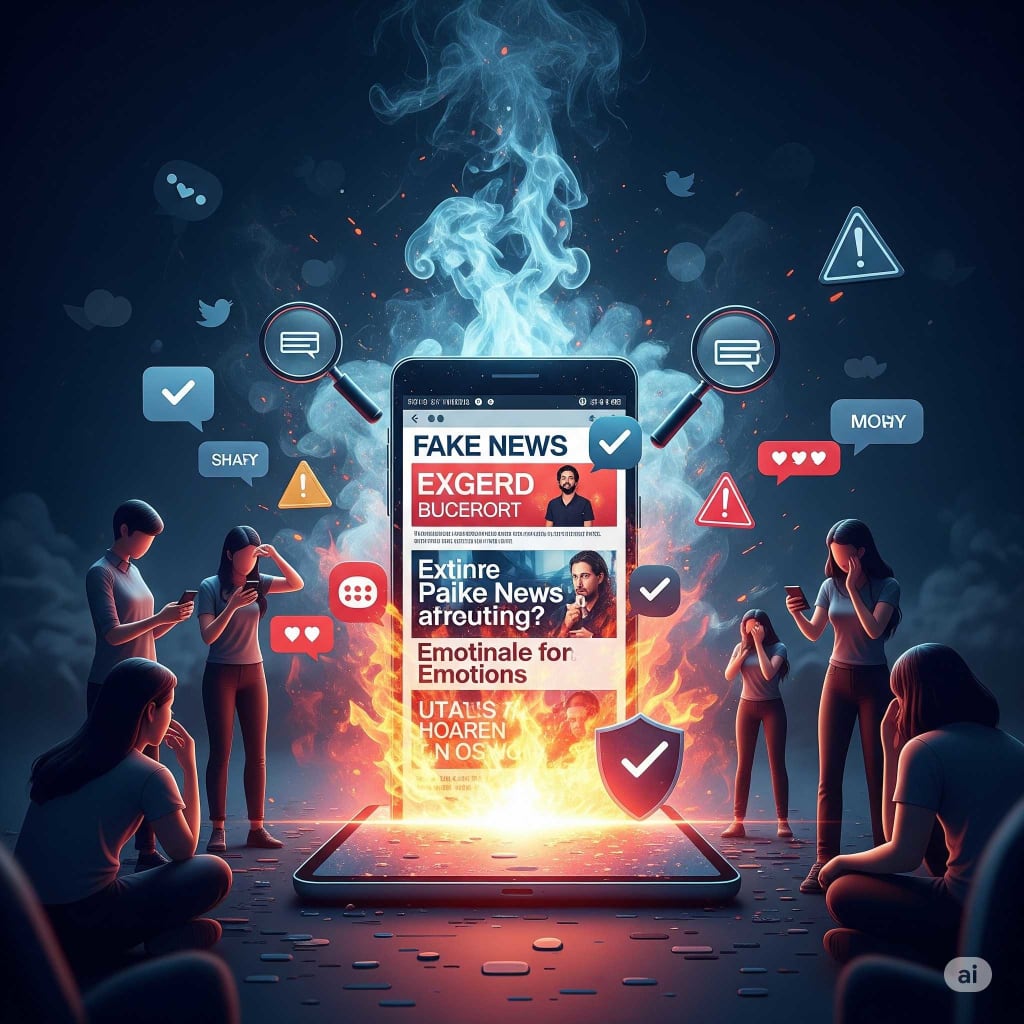
In today's digital age, misinformation can spread like wildfire, often with devastating consequences. A recent story circulating on social media highlights the importance of fact-checking and critical thinking. The story, which claims to be about a father who brutally injured his two-year-old son and then set his car on fire, is a perfect example of how misinformation can spread and cause harm.
*The Story*
The story goes like this: a father in Abu Dhabi, United Arab Emirates, became enraged when his two-year-old son scratched his new car with a nail. In a fit of rage, the father hit the child with a hammer, causing severe injuries, including the loss of a finger. When the child asked the father when his finger would grow back, the father was overcome with guilt and set the car on fire. The next day, the father took his own life, unable to cope with the trauma he had inflicted on his child.
*The Red Flags*
While the story is certainly tragic, there are several red flags that suggest it may not be entirely true. For example:
- Would a father really use a hammer to clean his car?
- Can a two-year-old child write a coherent message, such as "I love you, Daddy"?
- Would a child who has just suffered a severe injury be able to ask such a profound question about their finger growing back?
- What is the connection between the Abu Dhabi police and the city of Riyadh, Saudi Arabia, which is mentioned in the story?
*The Dangers of Misinformation*
This story highlights the dangers of misinformation and the importance of fact-checking before sharing information on social media. When we share information without verifying its accuracy, we can contribute to the spread of misinformation and cause harm to others. In this case, the story may have been fabricated to elicit an emotional response from readers, rather than to provide a genuine account of events.
*The Importance of Critical Thinking*
Critical thinking is essential in today's digital age, where misinformation can spread quickly. By taking the time to verify information before sharing it, we can help to prevent the spread of misinformation and promote a more informed and engaged community.
*The Consequences of Misinformation*
The consequences of misinformation can be severe. In this case, the story may have caused unnecessary distress and anxiety for readers who believed it to be true. In other cases, misinformation can have even more serious consequences, such as:
- Damaging someone's reputation or credibility
- Inciting violence or hatred towards certain groups or individuals
- Causing financial losses or economic instability
*The Role of Social Media*
Social media plays a significant role in the spread of misinformation. Platforms such as Facebook, Twitter, and WhatsApp can spread information quickly and widely, often without adequate fact-checking or verification. While social media can be a powerful tool for sharing information and connecting with others, it also requires a critical and discerning approach.
*How to Avoid Spreading Misinformation*
So, how can we avoid spreading misinformation on social media? Here are a few tips:
- Verify information before sharing it
- Check the credibility of the source
- Be cautious of emotional or sensational headlines
- Take the time to fact-check information before sharing it
*Conclusion*
In conclusion, the story of the father who brutally injured his two-year-old son and then set his car on fire is a cautionary tale about the dangers of misinformation. By being aware of the potential for misinformation and taking steps to verify information before sharing it, we can help to promote a more informed and engaged community. Remember, it's always better to be safe than sorry, and a little bit of skepticism can go a long way in preventing the spread of misinformation.
*The Importance of Media Literacy*
Media literacy is critical in today's digital age, where misinformation can spread quickly. By understanding how to evaluate information and identify potential biases or inaccuracies, we can make more informed decisions and avoid spreading misinformation.
*The Role of Education*
Education plays a critical role in promoting media literacy and critical thinking. By teaching children and adults alike how to evaluate information and think critically, we can help to promote a more informed and engaged community.
*The Future of Misinformation*
As technology continues to evolve, it's likely that misinformation will continue to be a major challenge. However, by promoting media literacy, critical thinking, and fact-checking, we can help to mitigate the effects of misinformation and promote a more informed and engaged community.
In conclusion, the spread of misinformation is a complex issue that requires a multifaceted approach. By understanding the causes and consequences of misinformation, promoting media literacy and critical thinking, and taking steps to verify information before sharing it, we can help to create a more informed and engaged community.
About the Creator
Keep reading
More stories from Ikram Ullah and writers in FYI and other communities.
The Concept of Lucifer: A Comparative Analysis of Christian and Islamic Perspectives
*The Concept of Lucifer: A Comparative Analysis of Christian and Islamic Perspectives* The concept of Lucifer, also known as Satan or Iblis, is a complex and multifaceted figure that has been interpreted in various ways across different cultures and religions. In Christianity, Lucifer is often depicted as a fallen angel who defied God's authority and was cast out of heaven. In Islam, Iblis is considered a jinn who disobeyed God's command to prostrate before Adam. This article will explore the differences and similarities between the Christian and Islamic perspectives on Lucifer, examining the biblical and Quranic accounts, as well as the cultural and artistic representations of this figure.
By Ikram Ullah8 months ago in FYI
Managing Tariff Impacts on Imported Aerospace Components
The aerospace industry operates within a highly interconnected global supply chain where manufacturers, suppliers, and maintenance providers depend on specialized components sourced from multiple countries. Aircraft production and maintenance require thousands of parts, ranging from structural materials and avionics systems to electronic hardware and precision fasteners.
By Beckett Dowhana day ago in FYI



Comments
There are no comments for this story
Be the first to respond and start the conversation.