
The Concept of Lucifer: A Comparative Analysis of Christian and Islamic Perspectives
*"The Dichotomy of Lucifer: A Comparative Analysis of Christian and Islamic Perspectives"*
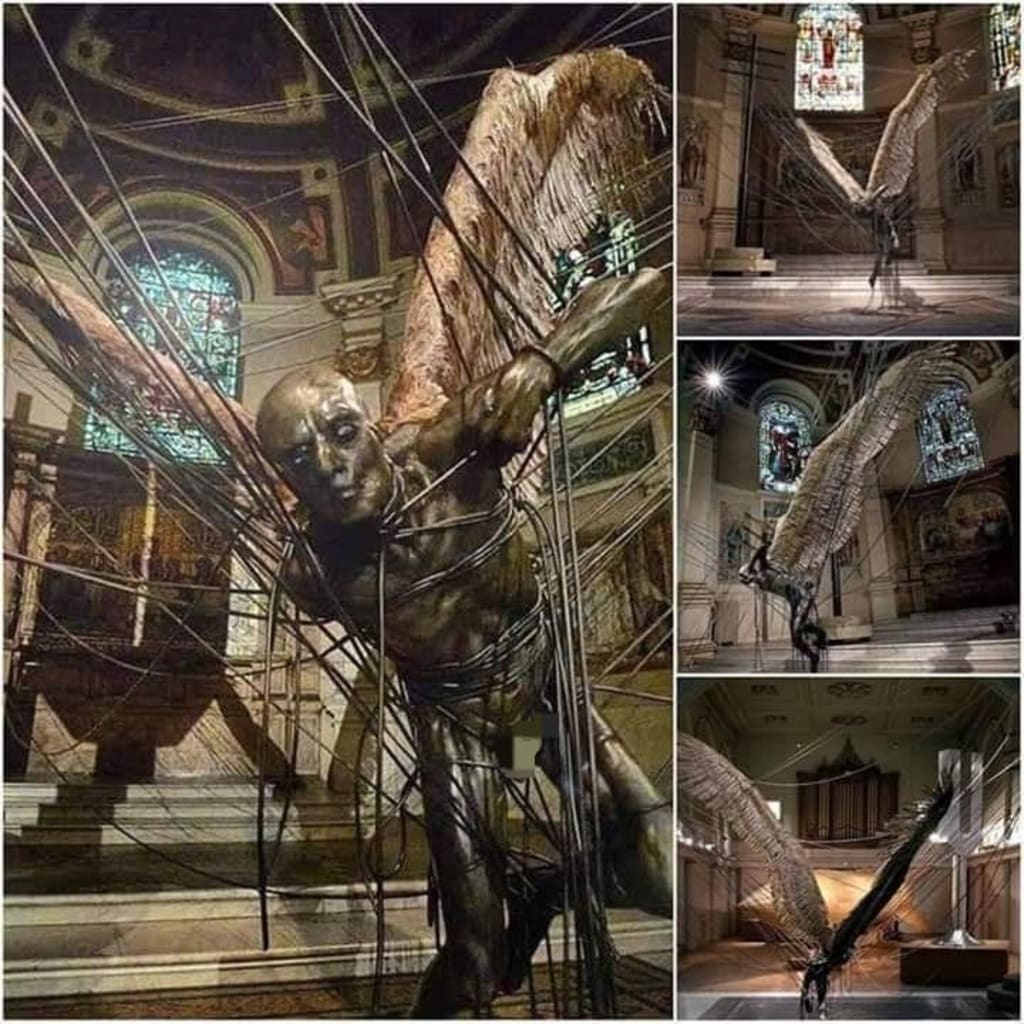
*The Concept of Lucifer: A Comparative Analysis of Christian and Islamic Perspectives*
The concept of Lucifer, also known as Satan or Iblis, is a complex and multifaceted figure that has been interpreted in various ways across different cultures and religions. In Christianity, Lucifer is often depicted as a fallen angel who defied God's authority and was cast out of heaven. In Islam, Iblis is considered a jinn who disobeyed God's command to prostrate before Adam. This article will explore the differences and similarities between the Christian and Islamic perspectives on Lucifer, examining the biblical and Quranic accounts, as well as the cultural and artistic representations of this figure.
*The Christian Perspective: Lucifer as a Fallen Angel*
In Christian theology, Lucifer is often seen as a beautiful and powerful angel who was cast out of heaven due to his pride and rebellion against God. The biblical account of Lucifer's fall is found in the book of Isaiah, which describes how the morning star, Lucifer, fell from heaven due to his pride and ambition (Isaiah 14:12). This passage is often interpreted as a reference to the fall of Satan, who is seen as the embodiment of evil and opposition to God.
The concept of Lucifer as a fallen angel has been influential in Western art and literature, with many depictions of Satan as a beautiful and charismatic figure who embodies the qualities of pride, ambition, and rebellion. John Milton's epic poem "Paradise Lost" is a classic example of this tradition, portraying Satan as a complex and nuanced character who is both beautiful and terrifying.
*The Islamic Perspective: Iblis as a Jinn*
In Islamic theology, Iblis is considered a jinn who disobeyed God's command to prostrate before Adam. According to the Quran, Iblis was not an angel, but a jinn who was given the choice to obey or disobey God's command (18:50). Iblis's disobedience was due to his pride and arrogance, and he was punished by God for his actions.
The Islamic perspective on Iblis highlights the importance of obedience and submission to God's will. Iblis's story serves as a warning against the dangers of pride and arrogance, and the importance of humility and obedience.
*Comparison of Christian and Islamic Perspectives*
While both Christianity and Islam recognize the figure of Lucifer or Iblis as a symbol of evil and disobedience, there are significant differences in the way this figure is understood and depicted in each tradition. In Christianity, Lucifer is often depicted as a beautiful and powerful angel who embodies the qualities of pride and rebellion. In Islam, Iblis is considered a jinn who disobeyed God's command, and his story serves as a warning against the dangers of pride and arrogance.
The artistic representations of Lucifer in Western culture also reflect the differences in the way this figure is understood. In many Western artworks, Lucifer is depicted as a beautiful and charismatic figure, often with wings and a handsome appearance. In contrast, Islamic art often depicts Iblis as a monstrous or ugly figure, symbolizing his evil nature.
*Cultural Significance of Lucifer*
The concept of Lucifer has had a significant impact on Western culture, influencing art, literature, and popular culture. From John Milton's "Paradise Lost" to the modern-day depictions of Satan in popular culture, the figure of Lucifer continues to fascinate and inspire artists and writers.
In recent years, the concept of Lucifer has also been reinterpreted in various ways, with some seeing him as a symbol of rebellion and nonconformity. This reinterpretation reflects the complex and multifaceted nature of the Lucifer myth, which continues to evolve and adapt to changing cultural and social contexts.
*Conclusion*
The concept of Lucifer is a complex and multifaceted figure that has been interpreted in various ways across different cultures and religions. While both Christianity and Islam recognize the figure of Lucifer or Iblis as a symbol of evil and disobedience, there are significant differences in the way this figure is understood and depicted in each tradition. By examining the biblical and Quranic accounts, as well as the cultural and artistic representations of Lucifer, we can gain a deeper understanding of the significance and impact of this figure on Western culture and beyond.
In conclusion, the concept of Lucifer serves as a reminder of the importance of humility and obedience to God's will. Whether depicted as a fallen angel or a disobedient jinn, Lucifer's story highlights the dangers of pride and arrogance, and the importance of submission to a higher authority.
*The Impact of Lucifer on Art and Literature*
The concept of Lucifer has had a profound impact on art and literature, inspiring countless works of art and literature throughout history. From the iconic depictions of Satan in John Milton's "Paradise Lost" to the modern-day reinterpretations of Lucifer in popular culture, this figure continues to fascinate and inspire artists and writers.
The artistic
About the Creator
Keep reading
More stories from Ikram Ullah and writers in FYI and other communities.
USS Gerald R. Ford: The World’s Largest Warship That Can Shift the Tide of War
In the vast expanse of the world's oceans, there sails a vessel unlike any other — not just a warship, but a floating fortress, a symbol of military dominance, and a strategic game-changer in modern naval warfare. This colossal marvel is known as the USS Gerald R. Ford (CVN-78) — the most advanced and largest aircraft carrier ever built.
By Ikram Ullah9 months ago in FYI
A Planetary Alignment will coincide with Mercury Retrograde
Double phenomena in the heavens Some people say in jest that the planets have aligned in their favor when life works the way they desire. Were you aware that there are seasons when things do line up in the heavens? There will be a planetary alignment AKA a planet parade, on February 28, 2026.
By Cheryl E Preston19 days ago in FYI
How NSN Systems Improve Interoperability Among Allied Forces
Modern military operations increasingly rely on cooperation between allied nations. Joint missions, multinational exercises, and coalition defense operations require seamless coordination not only at the strategic level but also within logistics and supply chain systems. One of the most important tools that supports this cooperation is the National Stock Number (NSN) system. Developed to standardize the identification and classification of military components, the NSN system enables allied forces to share equipment resources, maintain operational readiness, and streamline procurement processes.
By Beckett Dowhan3 days ago in FYI




Comments
There are no comments for this story
Be the first to respond and start the conversation.