
The History and Craft of Moroccan Tiles: From Zellige to Today
Colonial Influence and Modern Adaptations

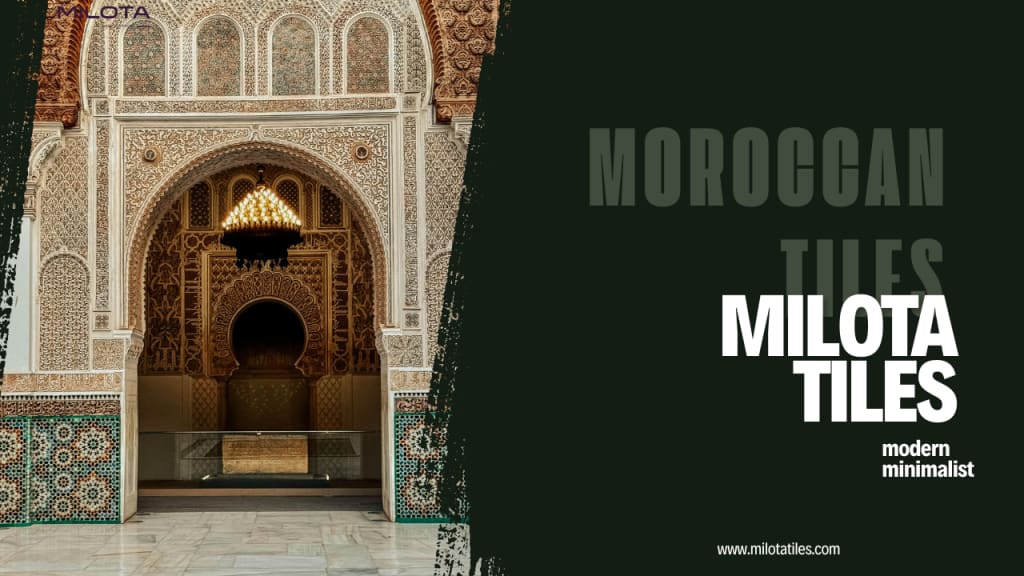
Few design elements embody artistry, tradition, and timeless elegance quite like Moroccan Tiles. With their intricate geometry, radiant colors, and deep cultural symbolism, these tiles have traveled across centuries and continents, inspiring architects, interior designers, and homeowners worldwide. From their origins in Islamic art to their role in modern interiors, Moroccan Tiles stand as a testament to craftsmanship that continues to evolve while honoring its past.
In this article, we’ll take a deep dive into the fascinating history of Moroccan tilework, explore the meticulous craft behind traditional zellige, and trace the journey of Moroccan Tiles into contemporary design.
1. Origins of Moroccan Tiles: A Fusion of Cultures
The story of Moroccan Tiles begins centuries ago, shaped by diverse influences from across the Mediterranean, Middle East, and North Africa. Morocco’s strategic location at the crossroads of trade routes allowed the nation to absorb styles, techniques, and artistic traditions from different civilizations.
- Islamic Influence: Moroccan tilework flourished under Islamic art principles, which forbade figurative imagery and instead embraced abstract geometry, calligraphy, and floral motifs.
- Andalusian Inspiration: The expulsion of Muslims and Jews from Spain in the 15th century brought skilled artisans to Morocco, carrying with them the artistry of Andalusian tile-making.
- Berber Traditions: Indigenous Berber culture infused symbolism, earthy tones, and natural motifs into Moroccan designs.
This blend of influences gave birth to a distinct visual language: Moroccan Tiles, celebrated for their precise geometry, rhythmic repetition, and vibrant palette.
2. The Art of Zellige: Morocco’s Signature Tilework
At the heart of Moroccan tile tradition is zellige (pronounced zeh-leej), a craft that dates back to the 10th century. Zellige refers to individually hand-chiseled terracotta tiles, glazed in vivid colors, then meticulously assembled into intricate patterns.
How Zellige Is Made
The process of crafting zellige is labor-intensive and deeply artisanal:
- Clay Preparation: Clay from the Fez region, prized for its quality, is kneaded, shaped, and sun-dried.
- Firing: The tiles are baked in kilns to harden them into durable terracotta bases.
- Glazing: Craftsmen apply natural glazes in traditional colors like cobalt blue, emerald green, ochre yellow, and ruby red.
- Cutting: After a second firing, artisans hand-chisel each tile into precise shapes (stars, crosses, polygons, etc.).
- Assembly: These pieces are arranged into elaborate mosaics called tataouine, forming mesmerizing geometric patterns.
Each zellige panel is a puzzle, assembled piece by piece without relying on machines. This devotion to detail makes zellige one of the most admired forms of decorative art in Morocco.
3. Symbolism and Patterns in Moroccan Tiles
Beyond their beauty, Moroccan Tiles carry profound symbolic meaning. The use of geometry reflects Islamic philosophical and spiritual ideals.
- Stars and Rosettes: Represent unity and infinite creation.
- Interlacing Polygons: Symbolize interconnectedness and the complexity of life.
- Calligraphic Motifs: Infuse spirituality into architectural spaces.
- Floral and Arabesque Designs: Reflect nature’s abundance and growth.
Colors are equally meaningful:
- Blue represents protection, wisdom, and the heavens.
- Green signifies paradise, prosperity, and faith.
- Yellow and Gold evoke sunlight and divine light.
- Red symbolizes vitality, energy, and life force.
Together, these motifs and hues make Moroccan tilework a visual language that communicates culture, spirituality, and tradition.
4. The Golden Age of Moroccan Tiles
The 13th to 15th centuries marked the height of Moroccan tile artistry. Under the Marinid dynasty, cities like Fez, Meknes, and Marrakech flourished as cultural centers. Palaces, madrasas (Islamic schools), and mosques were adorned with stunning zellige mosaics.
- Bou Inania Madrasa (Fez): Renowned for its lavish zellige walls and courtyards.
- Al-Attarine Madrasa (Fez): Features some of the finest surviving examples of intricate tilework.
- Marrakech Palaces: Zellige became synonymous with royal grandeur and artistic refinement.
During this period, Moroccan Tiles became not only functional surfaces but also markers of wealth, power, and cultural sophistication.
5. Moroccan Tiles Through Colonial and Modern Times
With the arrival of French colonial influence in the late 19th and early 20th centuries, Moroccan craftsmanship encountered new challenges and opportunities.
- Colonial Adaptations: European architects admired Moroccan aesthetics and began incorporating zellige into Art Deco and Orientalist styles.
- Industrialization: Machine-made tiles began to supplement handcrafted work, making Moroccan-inspired designs more accessible globally.
- Cultural Preservation: At the same time, Morocco emphasized protecting traditional crafts, ensuring zellige remained alive in cities like Fez, where master artisans passed skills to apprentices.
By the mid-20th century, Moroccan Tiles had transcended borders, influencing design trends in Europe, North America, and beyond.
6. Craftsmanship Today: Preserving Tradition in a Modern World
In today’s globalized design landscape, Moroccan Tiles are as relevant as ever. The demand for authentic craftsmanship has led to renewed appreciation for zellige workshops, particularly in Fez and Marrakech.
Challenges Artisans Face
- Competition from cheaper, mass-produced alternatives.
- Loss of younger generations to other industries.
- Pressure to adapt designs to modern aesthetics.
Preservation Efforts
- Moroccan cultural institutions actively support artisan cooperatives.
- Designers and architects collaborate with local craftsmen to integrate zellige into contemporary projects.
- Global consumers seeking authenticity are turning back to handmade Moroccan designs.
Despite modern challenges, the essence of Moroccan craftsmanship—precision, patience, and artistry—remains unchanged.
7. Moroccan Tiles in Contemporary Design
From heritage to high-fashion interiors, Moroccan Tiles have found new life in today’s design world.
Applications in Modern Homes
- Kitchens: Bold backsplashes with blue-and-white zellige.
- Bathrooms: Spa-like retreats with soothing green and turquoise mosaics.
- Floors: Intricate geometric rugs created with tile inlays.
- Fireplaces: Accent walls with jewel-toned Moroccan flair.
Global Trends
- Minimalist Pairings: Black-and-white Moroccan Tiles combined with modern furniture.
- Eclectic Interiors: Layered patterns with textiles, rugs, and ceramics.
- Sustainability: Eco-friendly glazes and local clay sources appeal to environmentally conscious consumers.
These modern adaptations prove that Moroccan artistry blends seamlessly with both traditional and contemporary styles.
8. The Global Appeal of Moroccan Tiles
Why do Moroccan Tiles resonate so strongly worldwide?
- Timeless Aesthetic: Their balance of geometry and color appeals across cultures.
- Versatility: Suitable for homes, hotels, restaurants, and public spaces.
- Handmade Story: Consumers value authenticity and cultural heritage in design.
- Exotic Appeal: Moroccan patterns evoke travel, history, and romance.
From New York lofts to Mediterranean villas, Moroccan-inspired tiles continue to spark creativity in global design.
9. Moroccan Tiles vs. Other Global Tile Traditions
To appreciate the uniqueness of Moroccan Tiles, it helps to compare them with other traditions:
- Spanish/Portuguese Azulejos: Often narrative, featuring scenes and figures, while Moroccan designs focus on abstraction.
- Italian Ceramics: Known for painterly decoration rather than geometric repetition.
- Middle Eastern Mosaics: Share Islamic influences but differ in color palettes and motifs.
This distinction reinforces Moroccan tilework as a uniquely abstract, geometric, and symbolic art form.
10. Buying and Sourcing Authentic Moroccan Tiles
For homeowners and designers inspired to bring Moroccan artistry into their spaces, sourcing authentic products is key.
Tips for Choosing
- Look for Handcrafted Zellige: Machine-made replicas lack the depth and variation of true zellige.
- Check for Color Variations: Slight irregularities are a hallmark of authenticity.
- Source from Trusted Suppliers: Reputable providers ensure quality and ethical craftsmanship.
For high-quality selections, visit Milota Tiles to explore collections that respect tradition while meeting modern design needs.
11. The Future of Moroccan Tiles
Looking ahead, Moroccan Tiles will continue evolving while honoring their origins. Trends suggest:
- Digital Integration: 3D printing may mimic traditional motifs for mass production.
- Sustainability Focus: Eco-conscious materials will shape future tilemaking.
- Global Collaborations: Artisans and international designers will create hybrid aesthetics.
- Cultural Renaissance: As heritage crafts gain global recognition, Moroccan artisans will find new opportunities to thrive.
The fusion of tradition and innovation ensures Moroccan tilework remains an enduring icon of design.
Conclusion: A Living Legacy
From the ancient kilns of Fez to the modern kitchens of London, New York, and Dubai, Moroccan Tiles embody a living legacy of artistry. Their history is one of cultural exchange, meticulous craft, and enduring symbolism. Their present reflects global admiration and adaptation. And their future promises continued relevance as designers seek beauty, authenticity, and meaning in every detail.
About the Creator
Milota Tiles
Milota Tile is a proud venture of the Milota Group, rapidly emerging as a leading name in the manufacturing, distribution, and export of premium ceramic and porcelain tiles under the MILOTA brand.
Keep reading
More stories from Milota Tiles and writers in FYI and other communities.
How the Stone Arch Symbolizes Transition and Passage Across Cultures
Architecture has always been more than just construction—it is a language that conveys values, stories, and beliefs. Among the most enduring elements of architecture, the stone arch stands as a universal symbol of transition, passage, and transformation. From ancient civilizations to modern interior design, the stone arch continues to represent movement between spaces, shifts in time, and cultural continuity.
By Milota Tiles4 months ago in FYI
Indonesia Furniture Market: Housing Demand, Design Trends, and Manufacturing Expansion
According to IMARC Group’s latest research publication, the Indonesia furniture market size reached USD 9.1 Billion in 2025. Looking forward, the market is expected to reach USD 15.2 Billion by 2034, exhibiting a compound annual growth rate (CAGR) of 5.82% during 2026–2034.
By Abhishek Rastogi7 days ago in FYI
So You Decided To Become a Nurse Practitioner:
So you decided to become an "Advanced Practice" nurse. Congratulations!... is what I would say if this was a good idea. Grad school? In this economy? What were you thinking? Likely it was something along the lines of either 1) “I've seen these other chucklefucks do it— Why can't I?” or even 2) “I've got a nice career, I should shake it up. I miss feeling like I have no clue what I'm doing.”
By Sandor Szabo3 days ago in Fiction


Comments
There are no comments for this story
Be the first to respond and start the conversation.