Science
Science
Will ai Replace Programmers
Artificial Intelligence (AI) has come a long way since its inception in the 1950s. AI has revolutionized the way businesses operate, and the technology has proven to be highly effective in a variety of industries. As AI continues to develop, many people wonder whether AI will eventually replace programmers. In this article, we'll explore this question in depth.
By Click & Learn3 years ago in FYI
Future of Bitcoin
Bitcoin is a digital currency that has been on the rise since its inception in 2009. Despite its volatile history, it has emerged as one of the most popular cryptocurrencies in the world, with a market capitalization of over $1 trillion. While the future of Bitcoin is uncertain, there are several factors that suggest that it could continue to grow in the coming years.
By Click & Learn3 years ago in FYI
What is Electric Vehicle
Electric vehicles, or EVs, are a type of vehicle that runs on electricity rather than gasoline or diesel fuel. They are becoming increasingly popular due to their eco-friendliness and low operating costs. In this article, we will explore what electric vehicles are and how they work.
By Click & Learn3 years ago in FYI
What is Chatgpt
ChatGPT is an artificial intelligence-based chatbot developed by OpenAI. It is a state-of-the-art language model that can understand and respond to human queries in natural language. ChatGPT is based on the GPT (Generative Pre-trained Transformer) architecture, which is a deep learning model trained on a large corpus of text data.
By Click & Learn3 years ago in FYI
WORLD HEALTH
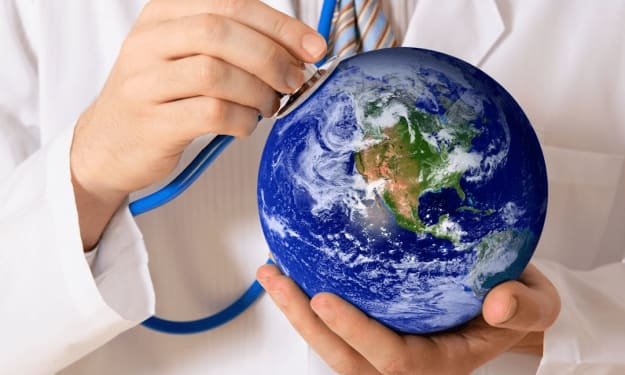
The world's health is a complex and multi-faceted issue that affects all people, regardless of their age, gender, or socio-economic status. The health of the world is determined by a variety of factors, including access to healthcare, clean water and sanitation, adequate nutrition, and social and economic conditions. In this article, we will explore the state of the world's health, the challenges that exist, and the initiatives that are being undertaken to improve it. The State of the World's Health The world's health has improved significantly in recent decades, with advances in medical technology, increased access to healthcare, and greater awareness of the importance of a healthy lifestyle. According to the World Health Organization (WHO), the global life expectancy has increased by six years since 1990, and the number of deaths caused by infectious diseases such as HIV/AIDS, tuberculosis, and malaria has decreased by more than 30% over the same period.However, despite these positive developments, many challenges remain. Access to healthcare remains a significant issue in many parts of the world, particularly in low-income countries. According to the WHO, around half of the world's population still lacks access to essential health services, and millions of people die every year from preventable diseases such as malaria, pneumonia, and diarrhea. In addition to these challenges, the world is facing a growing burden of non-communicable diseases (NCDs) such as diabetes, cancer, and heart disease. These diseases are often associated with lifestyle factors such as unhealthy diets, lack of physical activity, and tobacco and alcohol use, and are becoming increasingly prevalent in low- and middle-income countries. Challenges Facing the World's Health One of the main challenges facing the world's health is the unequal distribution of healthcare resources. In many low-income countries, there is a severe shortage of healthcare workers, medical equipment, and essential medicines, which can make it difficult for people to access the care they need. This is exacerbated by the high cost of healthcare in many countries, which can put essential treatments out of reach for many people. Another challenge facing the world's health is the impact of environmental factors such as pollution, climate change, and natural disasters. These factors can have a significant impact on people's health, particularly in low-income countries, where people are more likely to live in areas with poor air quality or inadequate sanitation. Initiatives to Improve the World's Health Despite the challenges facing the world's health, there are many initiatives underway to improve it. These initiatives include efforts to increase access to healthcare, improve nutrition, and promote healthy lifestyles. One such initiative is the WHO's Universal Health Coverage (UHC) program, which aims to ensure that all people can access the health services they need without suffering financial hardship. The UHC program has been adopted by many countries around the world, and significant progress has been made in increasing access to healthcare in low-income countries. Another important initiative is the Sustainable Development Goals (SDGs), which were adopted by the United Nations in 2015. The SDGs include a specific goal (Goal 3) focused on improving health and well-being, and include targets related to reducing child mortality, improving maternal health, and combating communicable and non-communicable diseases. Conclusion In conclusion, the world's health is a complex and multi-faceted issue that affects all people. While significant progress has been made in improving global health in recent decades, many challenges remain, particularly in low-income countries. However, there are many initiatives underway to improve the world's health, including efforts to increase access to healthcare, improve nutrition, and promote healthy lifestyles. By working together, we can ensure that all people have access to the care and support they need to live healthy and fulfilling lives. In addition to the initiatives mentioned in the previous section, there are other efforts underway to improve the world's health. One such effort is the fight against infectious diseases, such as COVID-19. The pandemic has highlighted the importance of preparedness and the need for strong healthcare systems that can respond to emerging health threats. The development of vaccines and treatments for COVID-19 has been a significant achievement, but ensuring equitable distribution of these resources remains a challenge. The COVAX initiative, which is led by the WHO, aims to provide fair and equitable access to COVID-19 vaccines for all countries, regardless of their income level. Another important area of focus is mental health. Mental health disorders affect millions of people around the world, and the COVID-19 pandemic has exacerbated this issue, with many people experiencing increased stress, anxiety, and depression. There is a growing recognition of the importance of addressing mental health as part of a comprehensive approach to improving global health. Finally, there is a need for increased investment in research and development to address the complex health challenges facing the world. This includes developing new treatments for diseases, as well as improving our understanding of the environmental, social, and economic factors that affect health. In conclusion, improving the world's health is a complex and ongoing process that requires collaboration and investment from governments, healthcare providers, and communities around the world. While there are many challenges that remain, there are also many reasons for optimism, including the progress that has been made in recent decades, and the initiatives and efforts underway to build a healthier and more equitable world. By working together, we can create a brighter future for all people.
By deniz mertoğlu3 years ago in FYI
Kotlin vs Flutter?
Kotlin and Flutter are two popular technologies for developing mobile applications. Kotlin is a programming language developed by JetBrains, while Flutter is an open-source mobile application development framework developed by Google. In this blog post, the best mobile app development company in India will explore the key differences between Kotlin and Flutter, and when to use each of these technologies.
By Bhavitra Techsolutions3 years ago in FYI
Hydration and Performance: The Role of Sports Drinks in Active Lifestyles
Sports drinks have become a popular beverage choice among athletes and fitness enthusiasts alike. Designed to replenish fluids and electrolytes lost during physical activity, sports drinks are marketed as a way to improve athletic performance and reduce muscle fatigue. With so many options on the market, it can be difficult to determine which sports drink is right for you. This article will provide an overview of sports drinks, including their composition, benefits, considerations, risks, and limitations. We will also compare sports drinks to other popular beverages and provide recommendations for safe and effective use. Whether you are a competitive athlete or simply looking to stay hydrated during your workouts, this article will help you make informed decisions about incorporating sports drinks into your routine.
By Yusril Harsya Hasan3 years ago in FYI
Empowering Women through Education and STEM: Celebrating International Women's Day 2023
International Women's Day (IWD) is celebrated annually on March 8th to recognize and honor the achievements of women worldwide. This day has been observed since the early 1900s and has become an important occasion to highlight gender inequalities and advocate for women's rights.
By Vikas Mishra3 years ago in FYI
Human Behavior and Psychology: Stress, Motivation and Personality
Today, human behavior and psychological states are of interest to many disciplines. Human behavior and psychology, stress, motivation and personality. In this article, an overview of stress, motivation and personality will be presented and important elements will be discussed.
By Ramis AKÇA3 years ago in FYI
"Importance of healthy nutrition: Misunderstandings about correct nutrition"
Healthy eating is the cornerstone of a healthy lifestyle. However, learning the correct information about nutrition and correcting misunderstandings makes it easier for you to achieve your healthy diet goals.
By Ramis AKÇA3 years ago in FYI