deniz mertoğlu
Bio
Stories (2)
Filter by community
WORLD HEALTH
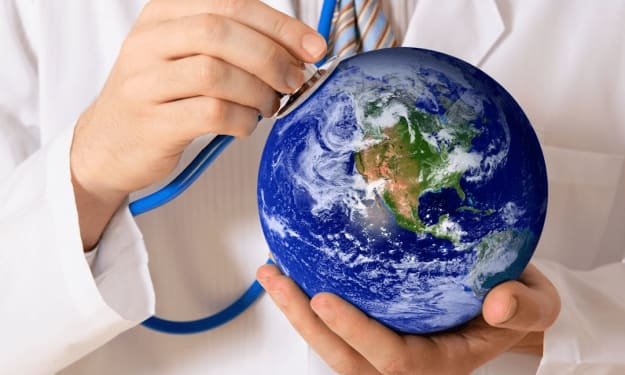
The world's health is a complex and multi-faceted issue that affects all people, regardless of their age, gender, or socio-economic status. The health of the world is determined by a variety of factors, including access to healthcare, clean water and sanitation, adequate nutrition, and social and economic conditions. In this article, we will explore the state of the world's health, the challenges that exist, and the initiatives that are being undertaken to improve it. The State of the World's Health The world's health has improved significantly in recent decades, with advances in medical technology, increased access to healthcare, and greater awareness of the importance of a healthy lifestyle. According to the World Health Organization (WHO), the global life expectancy has increased by six years since 1990, and the number of deaths caused by infectious diseases such as HIV/AIDS, tuberculosis, and malaria has decreased by more than 30% over the same period.However, despite these positive developments, many challenges remain. Access to healthcare remains a significant issue in many parts of the world, particularly in low-income countries. According to the WHO, around half of the world's population still lacks access to essential health services, and millions of people die every year from preventable diseases such as malaria, pneumonia, and diarrhea. In addition to these challenges, the world is facing a growing burden of non-communicable diseases (NCDs) such as diabetes, cancer, and heart disease. These diseases are often associated with lifestyle factors such as unhealthy diets, lack of physical activity, and tobacco and alcohol use, and are becoming increasingly prevalent in low- and middle-income countries. Challenges Facing the World's Health One of the main challenges facing the world's health is the unequal distribution of healthcare resources. In many low-income countries, there is a severe shortage of healthcare workers, medical equipment, and essential medicines, which can make it difficult for people to access the care they need. This is exacerbated by the high cost of healthcare in many countries, which can put essential treatments out of reach for many people. Another challenge facing the world's health is the impact of environmental factors such as pollution, climate change, and natural disasters. These factors can have a significant impact on people's health, particularly in low-income countries, where people are more likely to live in areas with poor air quality or inadequate sanitation. Initiatives to Improve the World's Health Despite the challenges facing the world's health, there are many initiatives underway to improve it. These initiatives include efforts to increase access to healthcare, improve nutrition, and promote healthy lifestyles. One such initiative is the WHO's Universal Health Coverage (UHC) program, which aims to ensure that all people can access the health services they need without suffering financial hardship. The UHC program has been adopted by many countries around the world, and significant progress has been made in increasing access to healthcare in low-income countries. Another important initiative is the Sustainable Development Goals (SDGs), which were adopted by the United Nations in 2015. The SDGs include a specific goal (Goal 3) focused on improving health and well-being, and include targets related to reducing child mortality, improving maternal health, and combating communicable and non-communicable diseases. Conclusion In conclusion, the world's health is a complex and multi-faceted issue that affects all people. While significant progress has been made in improving global health in recent decades, many challenges remain, particularly in low-income countries. However, there are many initiatives underway to improve the world's health, including efforts to increase access to healthcare, improve nutrition, and promote healthy lifestyles. By working together, we can ensure that all people have access to the care and support they need to live healthy and fulfilling lives. In addition to the initiatives mentioned in the previous section, there are other efforts underway to improve the world's health. One such effort is the fight against infectious diseases, such as COVID-19. The pandemic has highlighted the importance of preparedness and the need for strong healthcare systems that can respond to emerging health threats. The development of vaccines and treatments for COVID-19 has been a significant achievement, but ensuring equitable distribution of these resources remains a challenge. The COVAX initiative, which is led by the WHO, aims to provide fair and equitable access to COVID-19 vaccines for all countries, regardless of their income level. Another important area of focus is mental health. Mental health disorders affect millions of people around the world, and the COVID-19 pandemic has exacerbated this issue, with many people experiencing increased stress, anxiety, and depression. There is a growing recognition of the importance of addressing mental health as part of a comprehensive approach to improving global health. Finally, there is a need for increased investment in research and development to address the complex health challenges facing the world. This includes developing new treatments for diseases, as well as improving our understanding of the environmental, social, and economic factors that affect health. In conclusion, improving the world's health is a complex and ongoing process that requires collaboration and investment from governments, healthcare providers, and communities around the world. While there are many challenges that remain, there are also many reasons for optimism, including the progress that has been made in recent decades, and the initiatives and efforts underway to build a healthier and more equitable world. By working together, we can create a brighter future for all people.
By deniz mertoğlu3 years ago in FYI
AŞK NEDİR?
Aşk, insanlığın en temel ve en karmaşık duygularından biridir. Her insanın hayatında en az bir kez aşık olduğu söylenebilir. Aşkın tanımı ve ne olduğu hakkında pek çok görüş vardır. Bazı insanlar aşkı fiziksel bir çekim, bazıları ise duygusal bir bağ olarak tanımlarlar. Aşk, bir kişinin hayatındaki en önemli duygulardan biridir ve yaşamda mutluluğu ve tatmini bulmamızı sağlayabilir. Aşkın birçok farklı türü vardır. Bazıları romantik aşkı, bazıları arkadaşlık aşkını, bazıları ise aile aşkını öne çıkarırlar. Romantik aşk, en yaygın olarak bilinen aşk türüdür ve iki insan arasında cinsel bir çekim ve duygusal bir bağlantıya dayanır. Arkadaşlık aşkı ise iki insan arasında sıkı bir bağ kurma arzusundan kaynaklanır ve iki kişinin birbirine yakın hissetmesini sağlar. Aile aşkı ise akrabalık bağına dayalıdır ve aile üyeleri arasında güçlü bir bağ kurar. Aşkın belirtileri, her kişide farklı olabilir. Bazıları, kalp atışlarının hızlanması, ellerin terlemesi ve yüzde kızarma gibi fiziksel belirtiler yaşarlar. Diğerleri ise daha duygusal belirtiler yaşarlar, örneğin, özlem, mutluluk, hüzün ve endişe gibi duygular hissederler. Aşk, bir kişinin hayatındaki en güçlü duygular arasındadır ve insanların davranışlarını, kararlarını ve hayatlarını etkileyebilir. Aşk, mutlu ve tatmin edici bir ilişkinin temel taşlarından biridir. Ancak, her ilişki sorunsuz geçmeyebilir ve aşkın zorlu yönleri de vardır. İlişkilerde çatışma, ayrılık ve ihanet gibi sorunlar ortaya çıkabilir. Bu tür zorluklar, insanların aşkı yeniden düşünmelerine, yeniden yapılandırmalarına ve yeniden başlamalarına neden olabilir. Aşkın sadece mutluluk getiren bir şey olmadığına dair bir gerçek vardır, ancak bu zorluklar da insanların büyümesine ve gelişmesine yardımcı olabilir.
By deniz mertoğlu3 years ago in Humans