Historical
The Taj Mahal
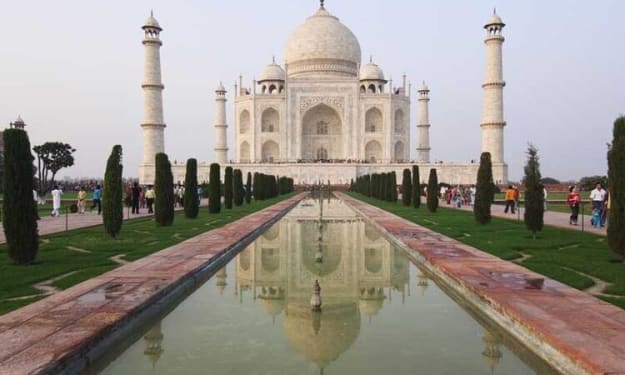
Shah Jahan was the fifth ruler of the Mughal dynasty. During his third regnal year, his favorite wife, known as Mumtaz Mahal, died due to complications arising from the birth of their fourteenth child. Deeply saddened, the emperor started planning the construction of a suitable, permanent resting place for his beloved wife almost immediately. The result of his efforts and resources was the creation of what was called the Luminous Tomb in contemporary Mughal texts and is what the world knows today as the Taj Mahal.
By kamal yadav 4 years ago in FYI
Shah Jahan, Mughal Emperor: History & Monuments
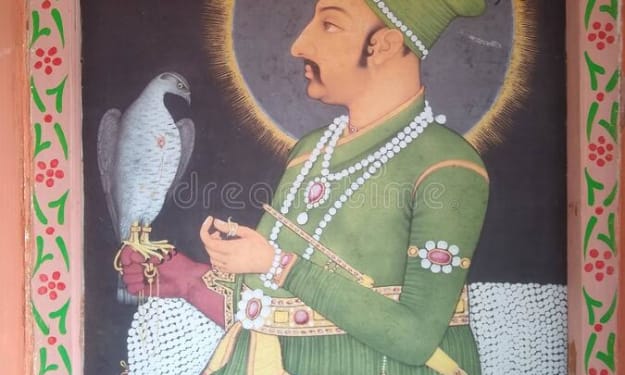
Meet Shah Jahan What would you do for love? How would you honor someone who has your heart and soul and can no longer be with you? The answer for Mughal Emperor Shah Jahan was to create one of the Seven Wonders of the Modern World. Let us take a journey to meet this emperor of the once-mighty Mughal Empire, learn a little about his life, and of course, the woman who inspired him.
By kamal yadav 4 years ago in FYI
Early Italian furniture
During the early Renaissance period (up to around 1500) wealthy Italians paid little attention to how their homes were furnished. They were far more interested in the works of art and statuary that they had commissioned; after all, if you had paid a considerable sum of money to have a fresco painted across your living room wall you would not then order large pieces of furniture that obscured it!
By John Welford4 years ago in FYI
The many lives of Gautama Buddha in 18th and 19th century manuscripts
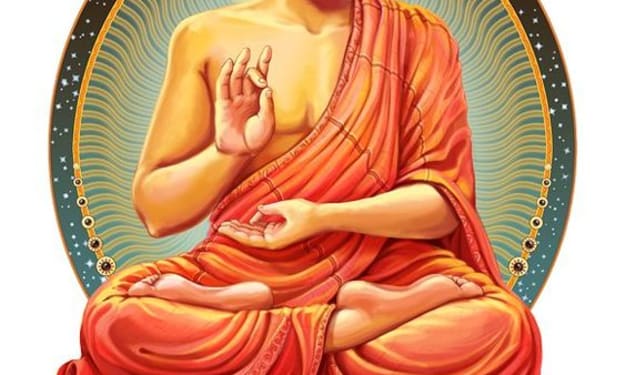
Illustrated Buddhist manuscripts from mainland Southeast Asia are famous for their lavish and often very detailed depictions of scenes from the Life of Buddha and the Buddha’s Birth Tales, known as Jatakas. Although most of these manuscripts date back to the 18th and 19th centuries, their illustrations are based on much older Pali texts originating from Sri Lanka in the first century BCE. The outstanding beauty of these manuscript paintings results from the depiction of the natural environment in which the main character – the historical Buddha – is placed, highlighting the close relationship the Buddha had with nature and all sentient beings.
By vishal rathuor 4 years ago in FYI
The Resilience of Qutub Minar
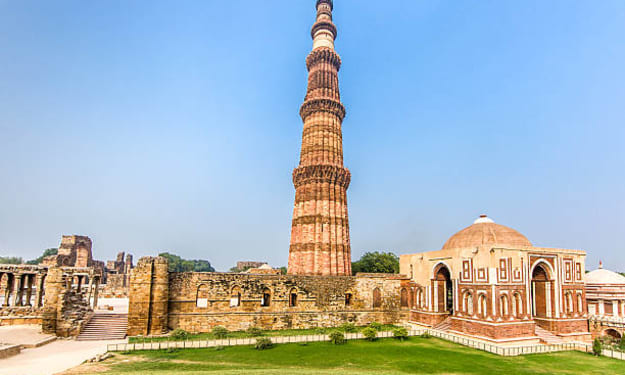
There are several reasons why the 72.5-metre-high Qutub Minar has come to be known as Delhi’s enduring symbol. It is the world’s tallest brick tower and one of the finest specimens of Islamic craftsmanship as well. Situated in a lush green complex of monuments and ruins in the Mehrauli Archaeological Park, formerly called Qila Rai Pithora, this UNESCO World Heritage Site attracts around three million visitors annually. Indeed, very much like the city it symbolises, the Qutub Minar has not only stood the test of time for over 800 years but also weathered several design changes, repairs and reconstructions, lightning and earthquakes—even preservation efforts.
By pradeep mishra 4 years ago in FYI
Introduction to Badrinath Temple
The word ‘Badrinath’ comes from the word ‘Badri’ (a place where berries grow). Dedicated to Lord Vishnu, who is worshipped as Badri Narayan, this shrine is one among 108 Divya Desams – holy shrines for Vaishnavites. The temple is situated in Garhwal hill tracks of Chamoli District (Uttarakhand, India) along the banks of Alaknanda River. Located at 3,133 m (10,279 ft) above sea level, this shrine is one of the most visited pilgrimage centers of the country. The temple is open for worship for only 6 months a year (End of April till beginning of November), due to extreme weather conditions prevailing in the Himalayas. Best time to visit the shrine is May to June and September to October.
By pradeep mishra 4 years ago in FYI
Plumbing Inventions
PLUMBING INVENTIONS Necessity is the mother of invention. Whether it’s due to health reasons, avoiding distasteful chores, or keeping one’s mind occupied, many of the plumbing inventions we take for granted today have some pretty interesting origin stories. And, believe it or not, not a single one of these inventors started out working in plumbing.
By John Limbo4 years ago in FYI
Art Nouveau
Art Nouveau (French for “New Art”) was a movement that flourished at the end of the 19th century and the beginning of the 20th century. It was a conscious rejection of the accepted values of the time and sought to unite all the decorative arts, including architecture and interior design, in making a new stride forward.
By John Welford4 years ago in FYI
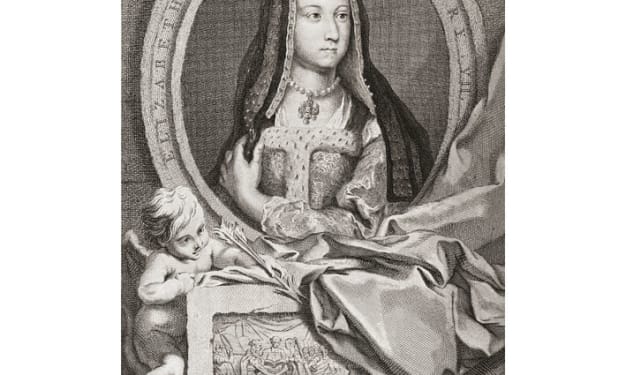
Elizabeth of York
By marrying Henry VII, Elizabeth of York helped to unite two families and end “The Wars if the Roses.” She was mother to Henry VIII and grandmother to Elizabeth I and, with her husband, started the Tudor Dynasty. This Queen of England is sometimes overlooked, but Elizabeth of York played an important role in English history.
By Ruth Elizabeth Stiff4 years ago in FYI