Historical
Gallienus, Emperor of Rome
Gallienus is one of the Roman Emperors whose reputation has undergone considerable change over the centuries. Early historians regarded his reign as “one of the most ignoble and disastrous in the history of Rome” and himself as “indolent, profligate and indifferent to the public welfare” (to quote Smith’s Classical Dictionary) but modern research has credited him with some successes and qualities during a very difficult period of Roman history.
By John Welford4 years ago in FYI
Jama Masjid, Delhi
Masjid-i-Jahan Numa" means "the mosque commanding a view of the world," and the name Jama Masjid refers to the weekly congregation observed on Friday (the yaum al-jum`a) at the mosque. The Mughal Emperor Shah Jahan, builder of the Taj Mahal, commissioned its construction. Five thousand craftsmen labored for six years to build the mosque. Completed in the year 1656 C.E., Jama Masjid constitutes one of the largest and best-known mosques in India. Shah Jahan enhanced the imposing grandeur of the edifice by placing it on high ground. The Badshahi Masjid in Lahore, built in 1673, closely resembles Jama Masjid.
By vishal rathuor 4 years ago in FYI
Hadrian, Emperor of Rome
Emperor Hadrian, who ruled the Roman Empire from 117AD to 138AD, is best remembered for ordering the construction of the wall in northern England that bears his name. His reign was largely peaceful – due in no small measure to Hadrian’s constant vigilance for signs of trouble on the Empire’s borders.
By John Welford4 years ago in FYI
The First Viking Siege of Paris - 845 CE
The Vikings are known as fearless warriors who raided cities, towns, monasteries and anywhere in fact, that may have hidden riches. Not only this, but the Vikings had a rich mythology and a desire for glory that spurred their daring achievements.
By T. Freya Taylor4 years ago in FYI
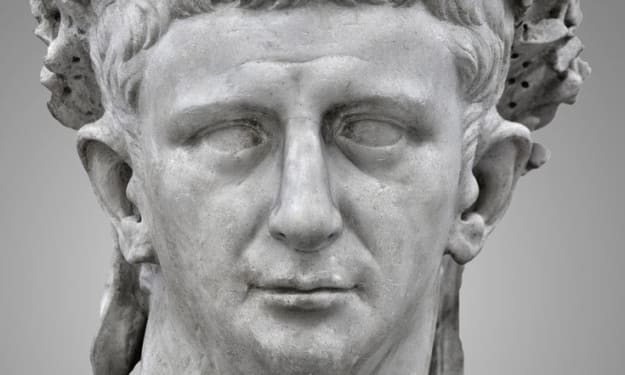
Claudius, Emperor of Rome
On the face of it, Claudius was one of the least suitable men to become Roman emperor, but on most counts he was far from being one of the worst. He had a special role in the history of Britain, as it was during his reign that the Roman Empire extended to Britain, and there are several aspects of Rome’s 400-year rule that have had an important influence down to the present day.
By John Welford4 years ago in FYI
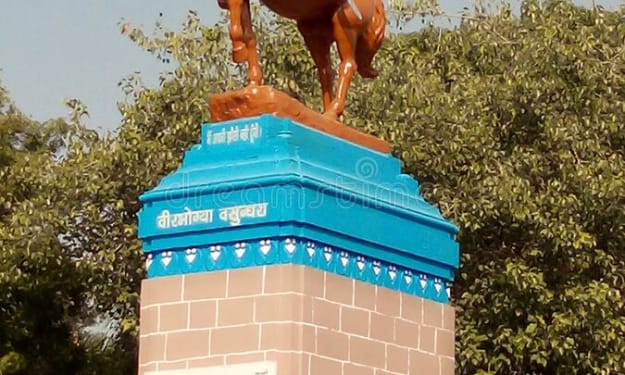
Jhansi ki Rani – Rani Lakshmi Bai
Early life of Jhansi ki Rani – Rani Lakshmi Bai She was born to a Maharashtrian family at Kashi (now Varanasi) in the year 18 November 1835. During her childhood, she was called by the name Manikarnika. Affectionately, her family members called her Manu. At a tender age of four, she lost her mother. As a result, the responsibility of raising her fell upon her father. While pursuing studies, she also took formal training in martial arts, which included horse riding, shooting and fencing. To know the complete life history of Jhansi ki Rani – Rani Lakshmi Bai, read on.
By maneesh sinha 4 years ago in FYI
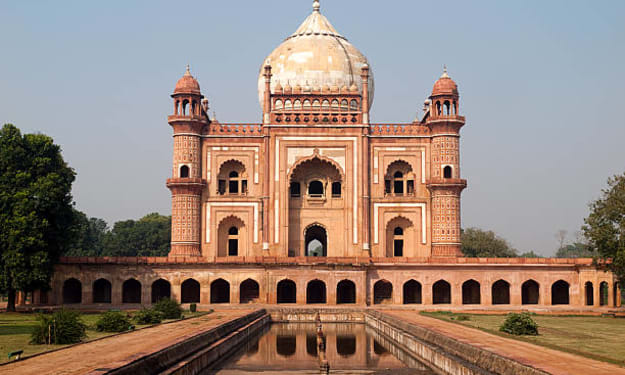
Safdarjung tomb
Safdarjung-tomb or safdarjung maqbhara is built in Mughal architecture. The tomb is built in sandstone and marble. This tomb is a simple garden tomb. This tomb was built in the year 1754 in memory of Safdarjung, the governor of Avadh and Nawab Shuja-ud-dualah’s father. It is located at the junction of Safdarjung road and Aurbindo marg is of the major tourist destination in Delhi.
By kamal yadav 4 years ago in FYI
Ancient Egyptian Inventions That We Still Use Today
Are you wondering about some of the items on this list and how they came up with them in ancient Egypt? Air conditioning before electricity? Did the Pharaohs wear watches? Grab a snack, get comfortable, and read all about these five mind-blowing inventions from ancient Egypt that are still around today.
By Nikole Lynn4 years ago in FYI
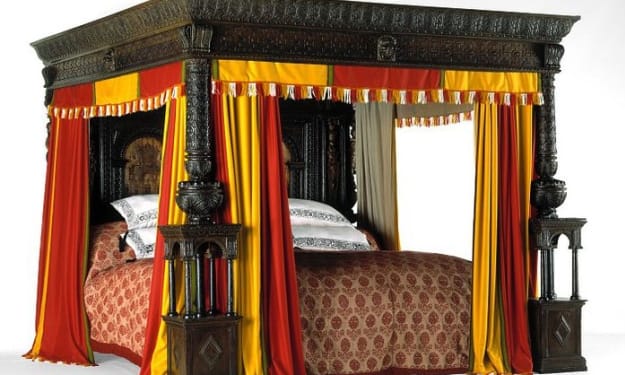
Elizabethan oak furniture
A considerable amount of oak furniture has survived from the reign of Queen Elizabeth I (1558-1603), partly because of the material in question and partly because much of it was made for the great houses built by men who achieved fame and fortune in that era. Where the houses have survived, so have many of the pieces that furnished them.
By John Welford4 years ago in FYI
The Story of Nizamuddin Auliya
Dervishes were advised, "First greet, then eat, then talk;" they were not allowed to ask whether a visitor was fasting or needed food; they were instructed to eat two meals, one right after the other, if needed for the sake of guests. Such rules made it impossible to discern who was hungry and in need, or who took food for its baraka, the blessing power of God; and ensured that those who needed food would be able to eat as soon as possible.
By kamal yadav 4 years ago in FYI
Early American furniture
This article is concerned with domestic furniture produced in the American colonies in the 17th century. Most of what survives from this period belongs to the later years of the century, because the pieces put together by the earliest settlers would have been of relatively low quality, required for immediate use and broken up when their useful life was over. However, a considerable amount of furniture, built by talented craftsmen especially during the final quarter of the century, was treasured and passed down through the generations. Some excellent pieces can now be seen in museums and preserved colonial homes.
By John Welford4 years ago in FYI