Historical
Dwarka
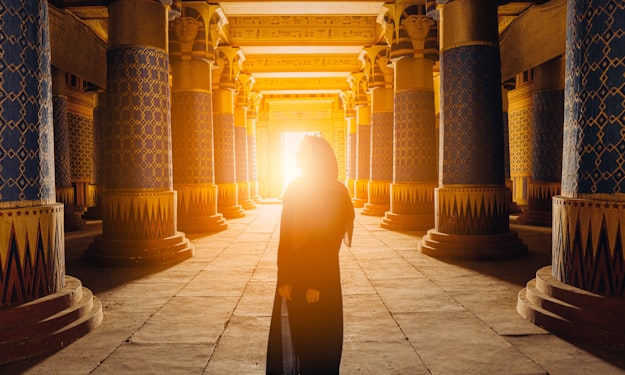
Dwarka is a famous city in south-west Gujarat state, west-central India. It is located on the western coast of the Okhamandal Peninsula, a small western extension of the Kathiawar Peninsula. Dwarka The City of Many Gates (Dwarka or Dvaravati in Sanskrit) is also known as Jagat or Jigata. Dwarka was the mythical capital of Lord Krishna, who founded it after his exodus from Mathura. Due to its purity, it is one of the seven major Hindu pilgrimage centers and one of the Char Dhams. This is the “Karam Bhoomi” of Shri Krishna.
By manav tandon4 years ago in FYI
The Racist History of Mount Rushmore
Much older than the Alps and the Himalayas are the Six Grandfathers - formed when subterranean pressure raised the earth's crust into a huge elliptical dome sixty-five million years ago. We know them today by the name of Mount Rushmore, a 'shrine of democracy', a symbol of American greatness and presidential patriotism. For many American's it still remains a grand tribute to democracy.
By Kamna Kirti4 years ago in FYI
Maya Civilization
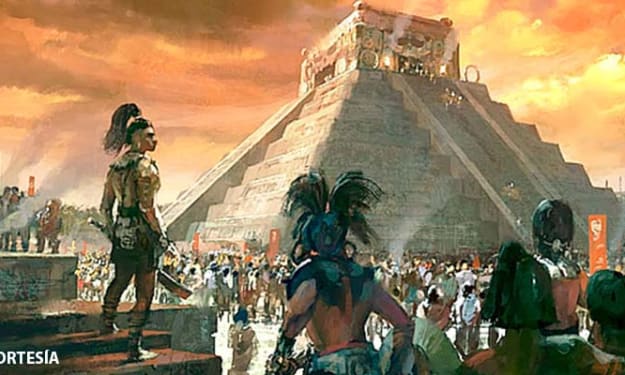
The Maya are an indigenous people of Mexico and Central America who have continuously inhabited the lands comprising modern-day Yucatan, Quintana Roo, Campeche, Tabasco, and Chiapas in Mexico and southward through Guatemala, Belize, El Salvador and Honduras. The designation Maya comes from the ancient Yucatan city of Mayapan, the last capital of a Mayan Kingdom in the Post-Classic Period. The Maya people refer to themselves by ethnicity and language bonds such as Quiche in the south or Yucatec in the north (though there are many others). The `Mysterious Maya' have intrigued the world since their `discovery' in the 1840's by John Lloyd Stephens and Frederick Catherwood but, in reality, much of the culture is not that mysterious when understood. Contrary to popular imagination, the Maya did not vanish and the descendants of the people who built the great cities of Chichen Itza, Bonampak, Uxmal and Altun Ha still exist on the same lands their ancestors did and continue to practice, sometimes in a modified form, the same rituals which would be recognized by a native of the land one thousand years ago.
By diego michel4 years ago in FYI
Harriet Tubman: The Civil Rights pioneer survived an abusive childhood
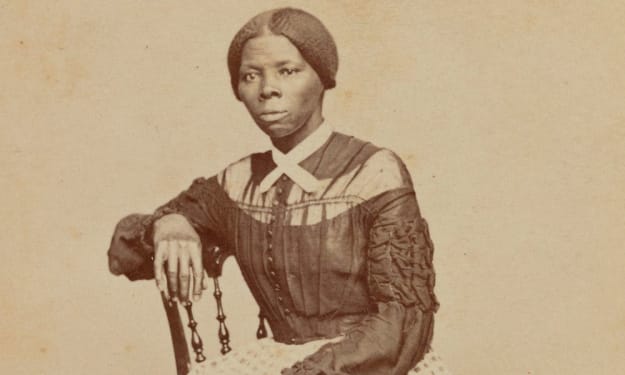
Harriet Tubman legacy Harriet Tubman is world-famous as an abolitionist because of her role in helping 70 slaves travel north to freedom. It has been suggested that she made about 13 trips using the underground railroad which was a series of locations and check-points to keep slaves hidden from those who were tracking them.
By Cheryl E Preston4 years ago in FYI
The Founding of Canada: Part 2
The first part of this three part series took us from the British victory over the French at the Plains of Abraham in 1759 to the War of 1812. Today's installment takes us to the end of the Rebellions of 1837-1838 and Durham's Report. The next installment will conclude the series with the Constitutional Conferences of 1864 and the adoption of the British North America Act in 1867. Click here if you missed Part 1.
By Marco den Ouden4 years ago in FYI
The Founding of Canada: Part 1
Canada has been shaped by its history. The story of Confederation is one not often discussed today, but it is instructive in understanding Canada’s culture and politics. We’ll start our journey after the British conquered Quebec, defeating the French at the Plains of Abraham in 1759.
By Marco den Ouden4 years ago in FYI
The Woman Who Cut Off Her Breasts in Response to Rules Set By Early 19th-Century Society
Over the years, many women’s sacrifices have become stories and songs, urban legends and folklore, never written or evidenced in history. This is one such story that lives with little concrete proof of ever happening but is still remembered.
By Eshal Rose4 years ago in FYI