
Setting Up Your Smart Home: Devices That Actually Save Money
Introduction: Why Smart Homes Are More Than Just a Trend

Smart homes have evolved far beyond being novelties or tech luxuries. Today, they represent a growing shift in how homeowners manage energy, security, and daily routines—efficiently and economically. With rising utility costs and increased environmental awareness, smart devices are being adopted not just for convenience but for their proven ability to lower monthly expenses. In this guide, we’ll explore which smart home devices actually save money—and how you can set up a practical system that starts giving back from day one.
The Real Cost of an ‘Un-Smart’ Home
Many homeowners don’t realize how much energy and money is wasted in the average household. Heating and cooling empty rooms, leaving lights or appliances on, or forgetting to lower the thermostat when leaving for work—all of these seemingly minor oversights add up over time. Traditional homes lack real-time feedback, scheduling, or remote control options, leading to inefficiencies that eat into your budget.
A smart home doesn’t just automate tasks—it identifies and eliminates wasteful patterns, giving homeowners greater control over their spending and sustainability.
What Makes a Device ‘Smart’—And How That Translates to Savings
Not every electronic device with Wi-Fi is a smart device in the true sense. The ones that actually help reduce your utility bills are those that adapt to your behavior, collect useful data, and allow precise, often automated, control. Smart thermostats, for instance, can learn your daily routine and optimize heating and cooling without constant adjustment. Smart plugs track energy usage and cut power to idle devices. Leak detectors send alerts before water damage escalates into costly repairs.
In short, smart devices make decisions that many homeowners forget or overlook—and that’s where the savings begin.
Smart Thermostats: The Heart of an Efficient Home
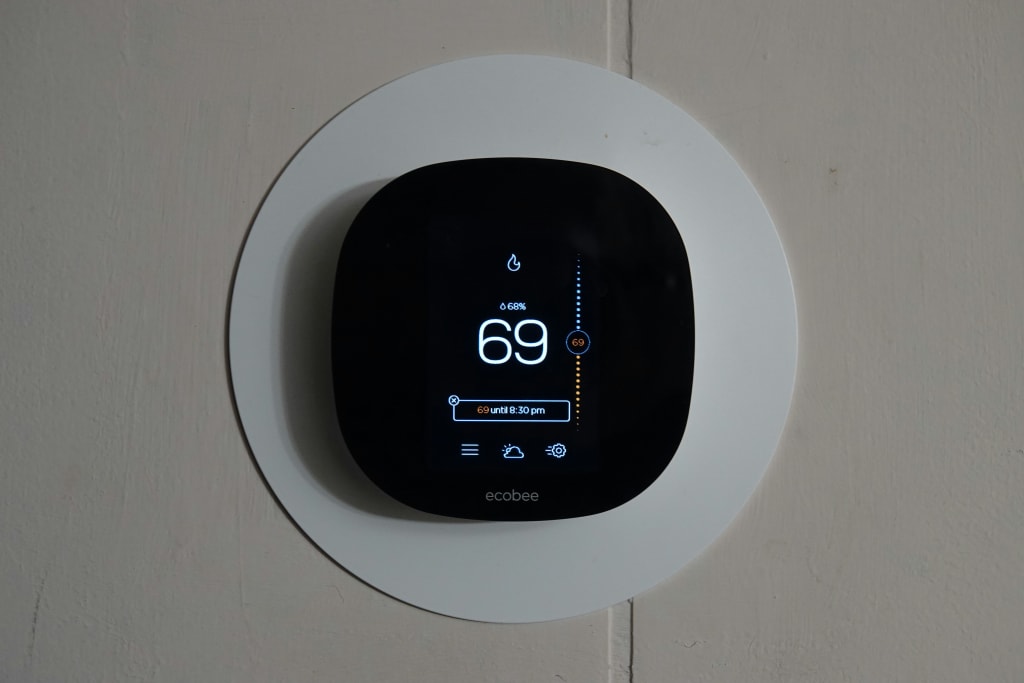
Heating and cooling account for nearly half of a home’s energy bill. A smart thermostat is often the first step toward cutting that expense. These devices go far beyond traditional programmable thermostats. They learn your daily routines, detect when you're home or away, and adjust the temperature accordingly. Many models also integrate with weather data and geofencing features to make intelligent decisions in real time.
Popular options like Google Nest, ecobee, and Honeywell Home have been proven to reduce heating and cooling costs by up to 20%. They also allow remote control, which means you can tweak your settings from anywhere.
Of course, if your thermostat isn’t even responding, the first step is making sure it’s functioning properly. Learn how to fix a non-working thermostat here.
Smart Plugs & Switches: Small Devices, Big Impact
Smart plugs might be small, but their impact can be significant. They let you control power flow to devices like TVs, gaming consoles, or even kitchen appliances. More importantly, they allow you to schedule on/off times or cut power remotely to prevent unnecessary consumption.
For example, many modern electronics continue to draw power even when turned off. Smart plugs can eliminate this phantom load. Over a year, this adds up—especially in homes filled with idle chargers, devices, and entertainment systems.
Additionally, smart switches offer an efficient way to upgrade existing light fixtures or ceiling fans without rewiring your entire home.
Smart Lighting Systems: Brighter Homes, Lower Bills
Lighting might not seem like a big expense, but inefficient usage adds up—especially in larger households or homes with multiple zones. Smart lighting systems like Philips Hue or LIFX allow for granular control over brightness, color temperature, and scheduling.
Motion sensors ensure that lights turn off automatically when no one is in the room. Daylight sensors adjust artificial lighting based on the amount of natural light available. These subtle adjustments, when compounded across the home, create a noticeable reduction in monthly electricity use.
Pairing these systems with LED bulbs further amplifies the energy-saving potential.
Smart Water Monitors & Leak Detectors
Water waste is another silent drain on your wallet—and most of it happens unnoticed. A running toilet, slow leak under a sink, or a malfunctioning water heater can lead to inflated bills and costly damage. Smart water monitors and leak detectors catch these issues early.
Devices like Flo by Moen or Phyn Plus provide real-time data on water flow and pressure. If an abnormal pattern is detected, you receive an instant alert. Some systems can even shut off the water supply automatically in the case of a major leak.
Early detection doesn’t just save money—it prevents larger problems that insurance may not fully cover.
Smart HVAC Zoning Systems: Control Room-by-Room Usage
Traditional HVAC systems treat your entire home as one space. But most families don’t use every room equally. Smart HVAC zoning divides your home into zones that can be heated or cooled independently.
Systems like Flair or ecobee with SmartSensors make zoning possible without a complete HVAC overhaul. They ensure that rooms in use get the right climate control, while rarely-used spaces (like guest rooms or storage areas) aren’t unnecessarily heated or cooled.
This targeted usage reduces wear and tear on your HVAC system and trims energy costs significantly.
Security Devices That Do Double Duty
Home security is another area where smart tech offers unexpected financial benefits. Smart cameras, motion sensors, and video doorbells not only protect your property but can also lower home insurance premiums.
Additionally, many smart locks and door sensors help prevent energy loss by alerting you if a door is left open or if the HVAC system is running when the home is unoccupied.
While safety is the primary purpose, the added financial perks are hard to ignore.
Real-Life Smart Home Setups That Cut Monthly Bills
Consider a busy family of four in a suburban home. By integrating a smart thermostat, motion-controlled lighting, and appliance timers, they reduced their energy bill by over 25% within six months. Another example is a single professional in a city apartment who uses smart plugs and lighting schedules to manage her energy use efficiently while working late hours.
Vacation homes also benefit. Owners can monitor their property remotely, shut down unused systems, and receive alerts about leaks or intrusions—preventing high off-season utility bills or damage.
These examples show that regardless of home size or lifestyle, smart technology delivers real savings when tailored to your needs.
What to Avoid: Smart Devices That Don’t Pay Off
Not all smart devices are created equal. Some prioritize novelty over function. Smart toasters, connected mirrors, or app-controlled coffee mugs may be fun but don’t meaningfully reduce costs.
It’s also wise to avoid fragmented systems that don’t communicate with each other. Investing in incompatible platforms can lead to extra costs and technical headaches.
Focus on devices that offer measurable benefits, integrate easily, and can scale with your smart home goals over time.
Getting Started: How to Build a Cost-Saving Smart Home on a Budget
You don’t need to overhaul your entire home in one go. Start with the essentials:
- A smart thermostat for climate control
- Smart plugs for power monitoring
- Motion-based smart lighting in key areas
- A basic smart speaker or hub for control
Prioritize devices with high ROI, then gradually expand as your needs evolve. Look for utility rebates or government incentives that reduce upfront costs. Many energy providers offer discounts on smart thermostats and devices that help lower grid demand.
Final Word: Tech That Pays for Itself
Smart homes aren't about showing off tech—they're about making smart choices that pay for themselves over time. When chosen carefully, the right devices reduce utility costs, prevent damage, and make daily life simpler.
By understanding how each smart device contributes to your overall home efficiency, you’ll not only build a more modern space—but a more affordable one, too.
About the Creator
Elena Bennett
I share expert tips, content strategies, and digital marketing insights tailored for the HVAC field. Follow for practical advice, real-world results, and powerful ideas that drive visibility and trust.
Keep reading
More stories from Elena Bennett and writers in FYI and other communities.
How Climate Zones Affect HVAC Wear—and What You Can Do Differently in Humid vs. Dry Regions
In the world of residential HVAC systems, location isn't just a backdrop—it’s a determining factor in how long your system lasts and how well it performs. Homeowners often follow the same seasonal maintenance checklist regardless of region, but the truth is that HVAC systems experience drastically different levels of stress depending on the local climate. From the salt-laced humidity of the Gulf Coast to the dry, dust-laden air of the Southwest, climate zone conditions directly impact everything from compressor lifespan to indoor air quality. If you want to extend the life of your system, lower energy costs, and prevent premature failure, it's time to align your maintenance and usage habits with the climate you live in.
By Elena Bennett7 months ago in FYI
Top 10 Luxury Travel Experiences Around the World for 2026
Luxury travel in 2026 is no longer just about opulence; it’s about immersive, transformative experiences that combine comfort, adventure, and cultural depth. For seasoned travellers seeking something beyond ordinary vacations, the world offers a rich tapestry of unique journeys—from private islands to cultural explorations with personal guides. Below, we explore ten luxury travel experiences that promise exclusivity, personalization, and unforgettable memories.
By All 4 Seasonabout 22 hours ago in FYI


Comments
There are no comments for this story
Be the first to respond and start the conversation.