
How Climate Zones Affect HVAC Wear—and What You Can Do Differently in Humid vs. Dry Regions
Introduction

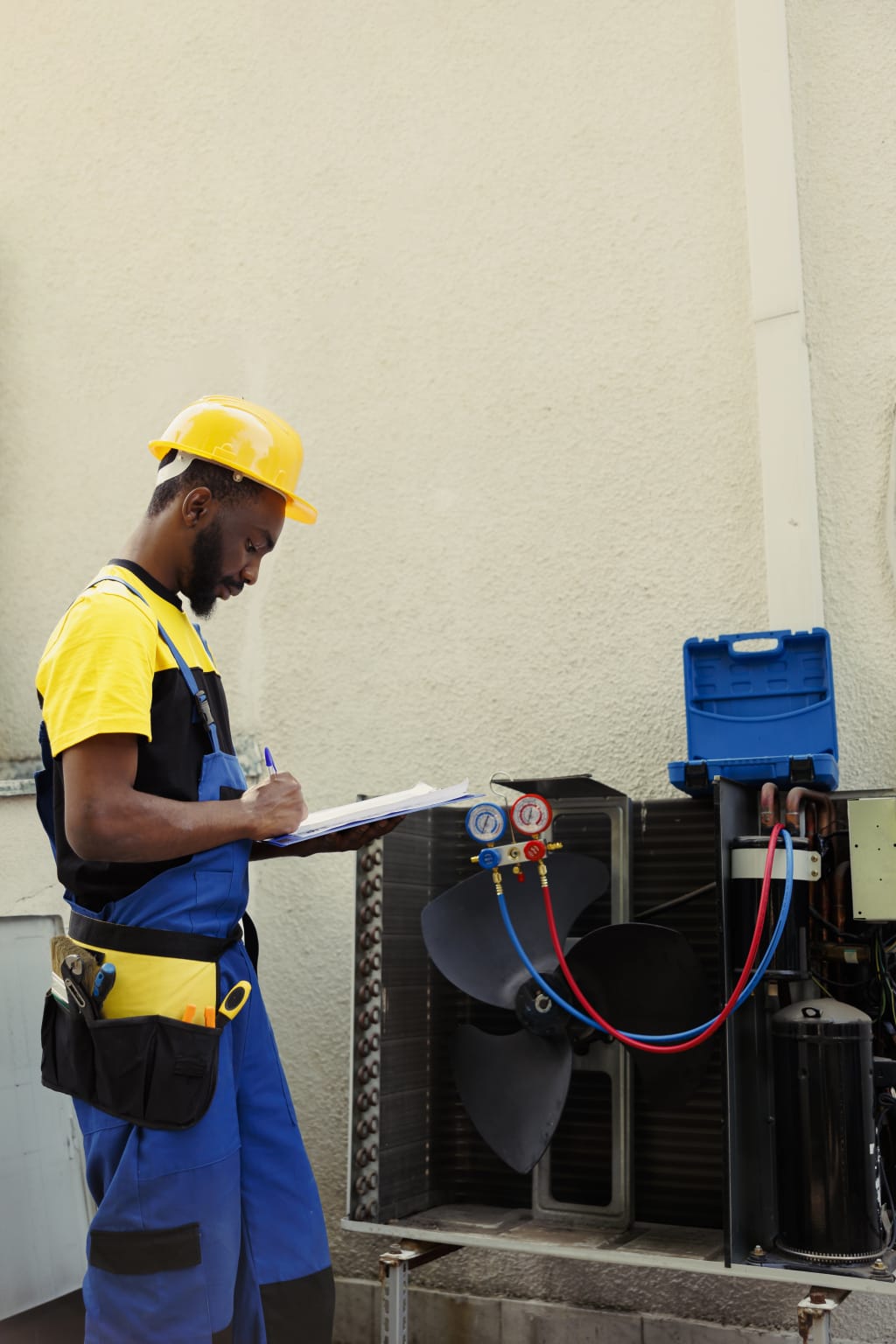
In the world of residential HVAC systems, location isn't just a backdrop—it’s a determining factor in how long your system lasts and how well it performs. Homeowners often follow the same seasonal maintenance checklist regardless of region, but the truth is that HVAC systems experience drastically different levels of stress depending on the local climate. From the salt-laced humidity of the Gulf Coast to the dry, dust-laden air of the Southwest, climate zone conditions directly impact everything from compressor lifespan to indoor air quality. If you want to extend the life of your system, lower energy costs, and prevent premature failure, it's time to align your maintenance and usage habits with the climate you live in.
Why Climate-Specific HVAC Maintenance Matters
While general HVAC upkeep is essential, it's the regional environmental stressors—humidity, temperature swings, airborne particulates, and salinity—that accelerate wear and tear in unique ways. Systems in humid regions battle mold, condensation, and corrosion. In contrast, those in arid areas suffer from static buildup, dust infiltration, and faster filter clogging.
Following a standard routine is helpful, but it’s not always enough. That’s why starting with a solid HVAC maintenance checklist is crucial—then adjusting it based on your climate zone ensures the system runs efficiently all year long. Applying a climate-specific approach isn't just smart—it’s necessary for performance and longevity.
The Hidden Threats of Humid Climates: Corrosion, Mold, and Short-Cycling
Increased Moisture Means More Than Just Discomfort
High humidity levels, especially in subtropical or coastal areas, increase the moisture load on both indoor and outdoor HVAC components. This excess moisture can cause evaporator coils to sweat more, creating perfect conditions for mold growth inside the air handler.
Salt Air Accelerates Corrosion
In coastal environments, salt content in the air accelerates the corrosion of outdoor condenser units. Aluminum fins, copper lines, and even circuit boards are at risk. Systems near oceans should be washed down monthly and inspected for early signs of oxidation.
Short-Cycling Becomes a Common Issue
Humidity also impacts thermostat operation. Overcompensating thermostats in humid areas often trigger short-cycling, where the compressor turns on and off too frequently. This leads to inefficiency, higher energy use, and faster wear on capacitors and contactors.
Smart Strategy for Humid Regions
Install a whole-home dehumidifier or integrate a variable-speed air handler to better manage indoor moisture.
- Clean and inspect evaporator coils quarterly to prevent biofilm buildup.
- Use anti-corrosive coil coatings on outdoor units near the coast.
- Adjust the thermostat's differential setting to reduce unnecessary cycling.
Challenges of Dry Climates: Dust Intrusion, Cracked Seals, and Overworked Compressors
Dust Is the Silent System Killer
In desert and semi-arid regions, dust is more than just a nuisance. Fine particulates easily enter condenser coils, blower compartments, and ductwork, reducing airflow and straining the entire system. Filters clog quickly, often within weeks, not months.
Dry Air Degrades Rubber Components
Low ambient humidity can cause seals, gaskets, and flexible duct connections to dry out and crack prematurely. Leaks in the return ducting can draw in hot attic air, overloading the system and undermining cooling capacity.
Overcooling Risks and Energy Waste
In areas where daytime temperatures soar and nights cool rapidly, systems may overcompensate. Without smart thermostat controls, compressors often run longer than necessary, leading to high electric bills and excess wear.
Smart Strategy for Dry Regions
- Switch to high-capacity pleated filters and replace them every 30–45 days.
- Schedule monthly cleanings of outdoor condenser coils during high dust seasons.
- Inspect duct seals and dampers for signs of drying or cracking.
- Use programmable thermostats to set cooling curves based on daily temperature shifts.
Transition Zones and High-Variation Climates: Handling Seasonal Extremes
Expanding and Contracting Materials Create Stress Points
Regions with wide seasonal swings—such as the Midwest or high-altitude zones—place HVAC systems under unique mechanical strain. Materials expand and contract dramatically, leading to refrigerant leaks, seal failures, and cracked condensate pans.
Dual-Mode Usage Means Double the Wear
In these zones, systems are expected to perform in both heating and cooling modes for much of the year. Frequent switching between modes stresses reversing valves in heat pumps and exposes ductwork to repeated thermal cycling.
Smart Strategy for Variable Zones
- Use thermal insulation on refrigerant lines to manage temperature swings.
- Perform a pre-season inspection in both spring and fall, not just annually.
- Calibrate reversing valves and inspect condensate pans for signs of cracking.
- Consider dual-stage or inverter-based systems for smoother operation year-round.
Why Your HVAC Filter Strategy Should Be Climate-Adjusted
Filter Frequency Isn’t One-Size-Fits-All
A filter that lasts three months in a dry climate might only last 30 days in a humid, mold-prone environment. The inverse is also true: filters can become overly restrictive in dusty climates, reducing airflow even before they're visibly dirty.
Upgrade Filter Strategy Based on Region
- Humid Zones: Use antimicrobial-treated filters with mold resistance.
- Dry Zones: Go for higher MERV-rated filters with a larger surface area to capture fine dust without choking airflow.
- High-Pollen Areas: Use electrostatic filters during allergy season, then revert to standard filters in the off-season.
Smart Technology: Automating HVAC Response to Climate Conditions
Geo-Smart Thermostats and Weather Integration
Modern smart thermostats can now pull hyperlocal weather data and adjust HVAC performance based on humidity forecasts, wind conditions, and temperature deltas. In coastal areas, a system might delay cooling to reduce salt air intake. In dry regions, it might extend fan runtime to flush out dust.
Zoning and Ventilation Controls
Homes in extreme climates benefit from zone-based ducting and ventilated attic systems that reduce system load during peak conditions. These technologies allow the HVAC system to respond only where it's needed—protecting sensitive components from unnecessary runtime.
Conclusion: Don’t Let Your Zip Code Shorten Your System’s Lifespan
Your HVAC system doesn't operate in a vacuum—it responds to everything the climate throws at it. Whether you're battling thick coastal humidity or fine desert dust, understanding the environmental stresses of your region is the key to smarter maintenance and better performance. By tailoring your filter changes, cleaning schedules, and thermostat settings to match your climate zone, you’ll extend equipment life, reduce breakdowns, and make every season more comfortable and efficient.
About the Creator
Elena Bennett
I share expert tips, content strategies, and digital marketing insights tailored for the HVAC field. Follow for practical advice, real-world results, and powerful ideas that drive visibility and trust.
Keep reading
More stories from Elena Bennett and writers in FYI and other communities.
Setting Up Your Smart Home: Devices That Actually Save Money
Smart homes have evolved far beyond being novelties or tech luxuries. Today, they represent a growing shift in how homeowners manage energy, security, and daily routines—efficiently and economically. With rising utility costs and increased environmental awareness, smart devices are being adopted not just for convenience but for their proven ability to lower monthly expenses. In this guide, we’ll explore which smart home devices actually save money—and how you can set up a practical system that starts giving back from day one.
By Elena Bennett6 months ago in FYI




Comments
There are no comments for this story
Be the first to respond and start the conversation.