
Robusta Coffee: A Deep Dive
Robust Flavor and Resilience

Introduction to Coffea Canaphora
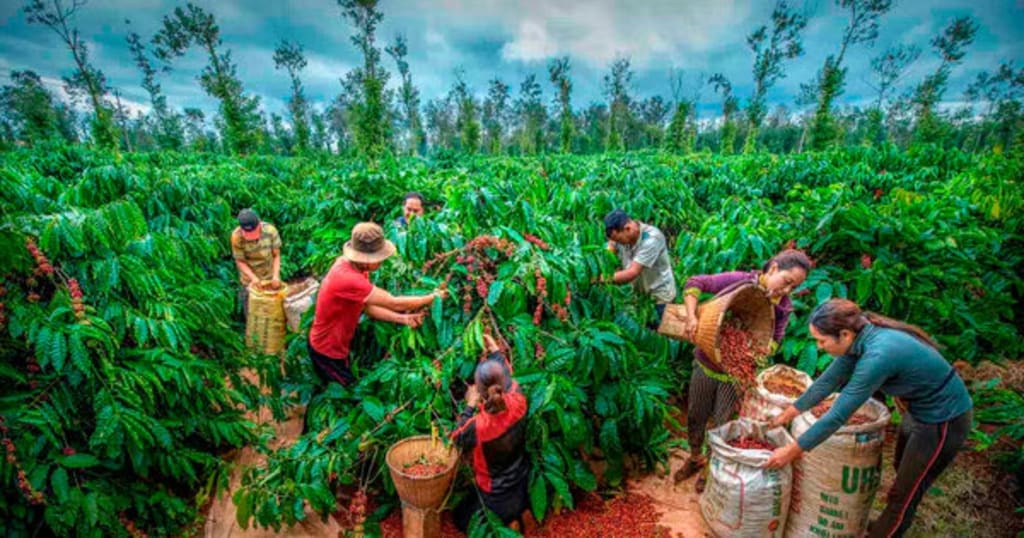
Coffea Canephora, commonly known as Robusta, is one of the two primary coffee species cultivated commercially, the other being Coffea Arabica. This coffee is vital to the global coffee industry. It's a major source of income for many countries and supports millions of people. Over the past 30 years, growing coffee demand has led to more Robusta coffee being grown and sold worldwide.
History of Robusta Coffee
Robusta originated in the central and western regions of sub-Saharan Africa, thriving in the understory of humid evergreen forests. The species was first cultivated in 1870 in the Congo, using material from the Lomami River region.
By the late 19th century, Robusta seeds had been distributed globally, reaching Southeast Asia, South America, and other parts of Africa. Notably, Robusta was introduced to Java, Indonesia, and quickly accepted by farmers due to its resistance to coffee leaf rust, which devastated Arabica plantations in the region.
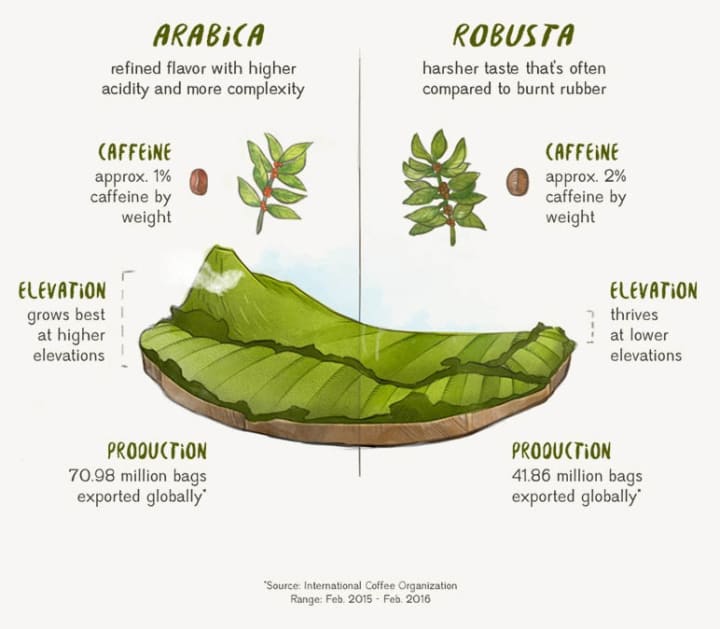
By the 20th century, Robusta cultivation had spread to Vietnam, Brazil, Indonesia, Uganda, and India. These countries dominate global production, with Vietnam and Uganda being the foremost exporters. As of 2021, approximately 60% of the world's coffee production is Arabica, while 40% is Robusta.
Varieties of Coffea Canephora
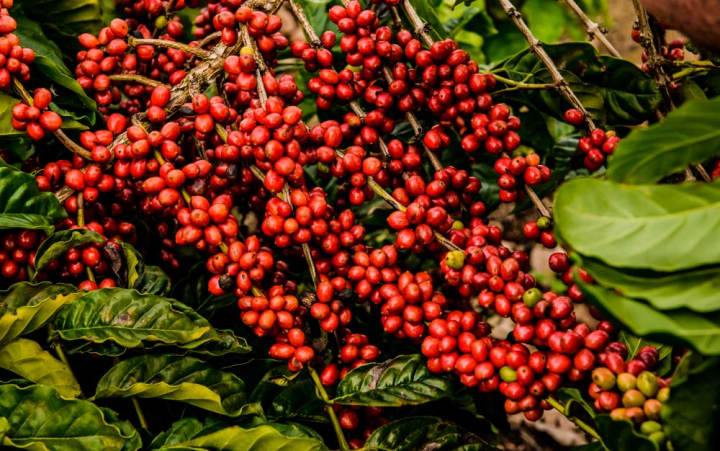
Robusta is genetically diverse, with numerous regional varieties and subtypes. Standard terms for these subtypes include "Conilon", "Nganda", and "Koillou" / "Quillou" . Arabica coffee plants are like homebodies. They're happy to pollinate themselves. Robusta plants, on the other hand, are like social butterflies. They need to mix their genes with other Robusta plants to make new Robusta babies. This makes a big difference in their genes!
Because Robusta mix their genes, they have many different traits. Some may be better at fighting against diseases, while others may have a different taste. It's like a big mix-and-match game.
Scientists use special tools, like "microsatellite markers," to look closely at Robusta's genes. These markers are like tiny flags that show all the different parts of the plant's DNA. They've found that Coffea canephora (that's Robusta's scientific name) has a lot of genetic diversity. It's like a rainbow of different genes, all mixed together! This helps Robusta survive and adapt to different challenges.
Breeding programs have developed polyclonal or multiline varieties to address the need for genetic diversity and compatibility. These varieties are often a mix of genetically distinct clones, ensuring successful pollination and fruit production.
Characteristics of Robusta
1. Higher Caffeine Content
Robusta is renowned for its higher caffeine content compared to Arabica. This higher caffeine level, approximately 182 mg per 100 g of green coffee beans, contributes to its stronger, more bitter flavor and robust stimulating effects. This makes Robusta a preferred choice for espresso blends, offering a powerful kick to coffee lovers (Badmos et al., 2019).
2. Heat and Drought Tolerance
Arabica coffee plants can be a bit fussy. They don't like it too hot or too dry. Robusta, on the other hand, is tough. It can handle the heat and even a bit of a drought, like a superhero of the coffee world. This makes it a good choice for places where the climate is changing and getting warmer.
Robusta likes it best when the temperature is just right, not too hot and not too cold - somewhere between 16.2°C and 24.1°C (that's about 61°F to 75°F). Keeping the temperature just right helps the plants grow lots of coffee beans.
Because Robusta is so tough and adaptable, it's becoming a popular choice for growing coffee in a way that's good for the planet. It's like a sustainable superhero, saving the day one coffee bean at a time. (Campuzano-Duque et al., 2022), (Kath et al., 2020).
3. Distinct Chemical Composition
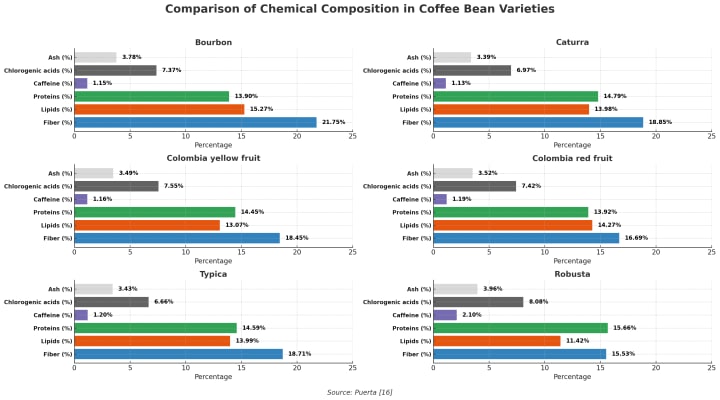
Inside those little Robusta beans is a whole world of chemistry, different from their Arabica cousins. They're packed with chlorogenic acids and have less sugar. This makes them taste a bit more bitter and a little dry in your mouth. But here's the twist: chlorogenic acids are like tiny superheroes for your body, they are antioxidants.
Antioxidants are good for you, helping your body fight off bad stuff. So, while Robusta might have a bolder taste, it also comes with a health boost. This makes it a good choice for people who care about what they eat and drink.
The extra chlorogenic acids also make the Robusta plant tougher and more resilient, like giving it a suit of armor. It's another reason why Robusta is such a fascinating and important coffee plant. (Badmos et al., 2019).
4. Sensory Attributes
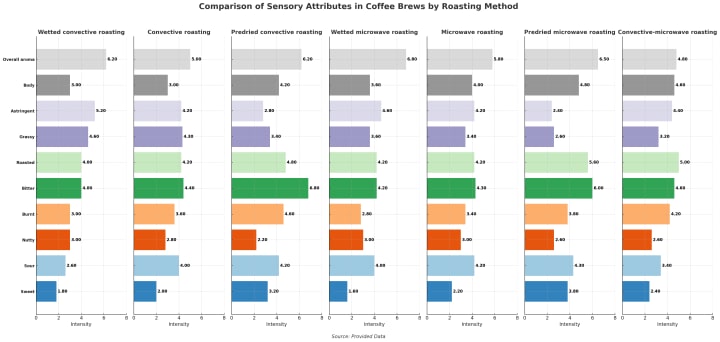
If you've ever sipped Robusta coffee, you know it's a different experience than Arabica. It's got a bold, strong taste that can be a bit harsh, like grains or nuts, and definitely bitter. It's not for the faint of heart!
This unique taste can be a challenge if you're used to milder coffee. But for those who like a powerful coffee kick, Robusta is a dream come true. It's like the strong, silent type of the coffee world - not for everyone, but definitely memorable. (Nebesny & Budryn, 2006).
5. Economic Importance
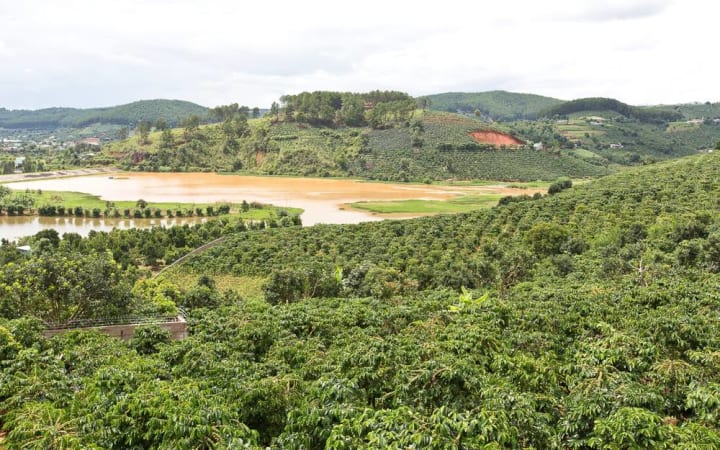
Robusta coffee isn't just interesting for its taste and toughness; it's also a big deal for the world's economy. It's especially important for small farms in warm, tropical places. Vietnam, the king of Robusta growing, makes 86% its coffee in the Central Highlands (Tiemann et al., 2018).
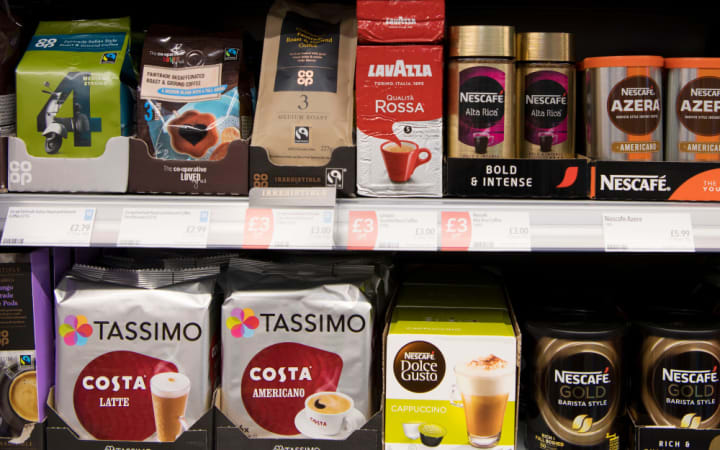
Robusta is generally easier and cheaper to grow than Arabica, which makes it a key player in the global coffee trade. Think of it as the workhorse of the coffee world. It's often used in instant coffee and the blends you find in stores, thanks to its high yield and ability to grow just about anywhere. So, that cup of instant coffee? It's probably got a lot of Robusta in it, quietly powering your day. (Campuzano-Duque et al., 2021).
6. High Yield and Vigorous Growth
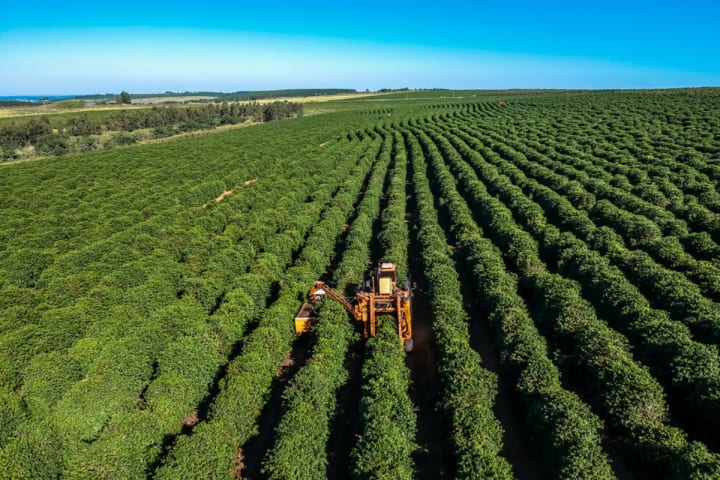
Robusta coffee plants are like the energetic kids of the coffee world. They grow quickly and produce a lot of beans, making them a reliable choice for farmers. If you plant them just right - about 3,333 plants per hectare - they'll give you the most beans without crowding each other out. (Espindula et al., 2021). This vigorous growth means farmers can count on a good harvest even when the weather isn't perfect. Robusta's toughness and productivity make it a valuable crop, especially in places where growing conditions can be tricky. (Cheserek et al., 2020).
7. Resilience to Pests and Diseases
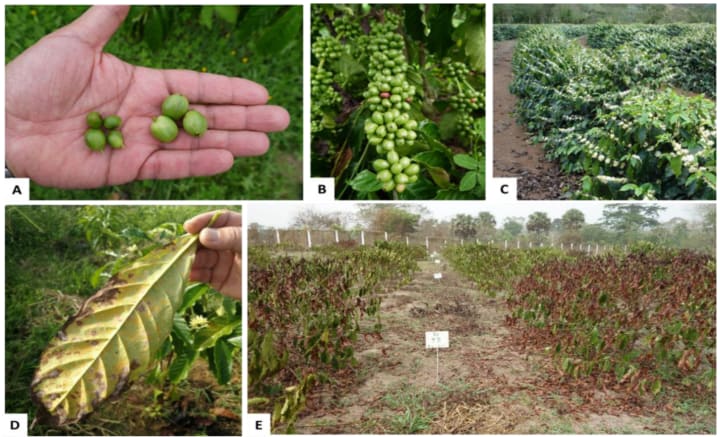
Robusta coffee plants (Coffea canephora) are like tiny superheroes, naturally resistant to some of coffee's biggest villains: pests and diseases like coffee rust and berry borers. This means farmers don't need to use as many chemicals to keep their plants healthy, which is good news for the planet.
Because Robusta is so tough, it needs fewer resources to thrive. Farmers can grow healthy, happy Robusta plants without using a lot of extra stuff. This makes Robusta a great choice for people who want their coffee to be good for both them and the environment. It's a win-win for everyone! (Campuzano-Duque & Blair, 2022).
8. Health Benefits
Robusta coffee isn't just about that morning jolt of energy; it might actually be good for you in other ways too! Studies suggest it can help fight inflammation and even protect your teeth from those pesky bacteria that cause cavities.
Antioxidants, found in Robusta, are partly responsible for these health benefits. So, adding a bit of Robusta to your routine might give you more than just a caffeine boost. It could be a step towards a healthier life! (Antonio et al., 2011), (Galam et al., 2013).
Applications of Robusta
Most of the time, you'll find Robusta beans in instant coffee and espresso blends. Its strong, bold taste and high caffeine content make it perfect for these kinds of coffee.
But here's something exciting: people are starting to realize that Robusta can be much more than just instant coffee. By treating the beans with special care, experts are finding ways to make Robusta taste even better, fancy enough for even the snobbiest coffee lovers. So, next time you see Robusta on a coffee menu, don't dismiss it - it may surprise you!
The Future of Coffee Robusta
Our planet's changing climate is causing big problems for coffee, especially Arabica, it needs everything to be just right. As temperatures rise and rainfall patterns shift, farming Arabica might become impossible in many places.
That's where Robusta, the tough little cousin of Arabica, comes in. Robusta can handle a wider range of climates and altitudes, making it a real survivor in a warming world. Scientists are even working on making Robusta even better, both in taste and toughness.
Right now, Robusta makes up about 40% of the world's coffee, mostly grown in Vietnam, Brazil, Indonesia, Uganda, and India. These countries are key players in keeping our coffee cups full. But even Robusta isn't immune to climate change - temperatures over 20.5°C can hurt its growth. That's why more research needed to make sure we can keep growing Robusta even as the climate changes.
In short, Robusta is a vital part of the coffee world, and it's likely to become even more important in the future. With help from science, Robusta could be the coffee that saves the day.
About the Creator
Pham Duc Toan
Family, strong bonds, and the perfect cup of coffee—that's my world. I'm sharing my experiences, the good, the challenging, and the deep thoughts.
Keep reading
More stories from Pham Duc Toan and writers in FYI and other communities.
The Comprehensive Journey of Arabica Coffee: From Plant to Cup
Arabica coffee, known scientifically as Coffea arabica, is the most popular coffee species, cherished for its smooth, complex flavors and aromatic qualities. It accounts for over 60% of global coffee production. The Arabica coffee plant's journey from Ethiopia's highlands to coffee farms worldwide is a tale of cultural and economic exchange.
By Pham Duc Toanabout a year ago in FYI
Top 10 Luxury Travel Experiences Around the World for 2026
Luxury travel in 2026 is no longer just about opulence; it’s about immersive, transformative experiences that combine comfort, adventure, and cultural depth. For seasoned travellers seeking something beyond ordinary vacations, the world offers a rich tapestry of unique journeys—from private islands to cultural explorations with personal guides. Below, we explore ten luxury travel experiences that promise exclusivity, personalization, and unforgettable memories.
By All 4 Season3 days ago in FYI
Why Didn't Anyone Tell Us
Men, move along. This is not for you. This is for the women. I was forty-five when I began menopause. It is pretty young for that to be going on in a woman’s life, but I had undiagnosed PCOS, my entire life. Thank you to all the gynecologists I had seen my entire life. That in itself should encourage women to keep seeking second opinions, especially when you are not getting correct answers or any at all.
By Alexandra Grant3 days ago in Humans


Comments
There are no comments for this story
Be the first to respond and start the conversation.