
Resurrecting Legends: The Return of the Dire Wolf and the Future of De-Extinction
How Colossal Biosciences is Bringing Back a 12,000-Year-Old Predator and What Comes Next
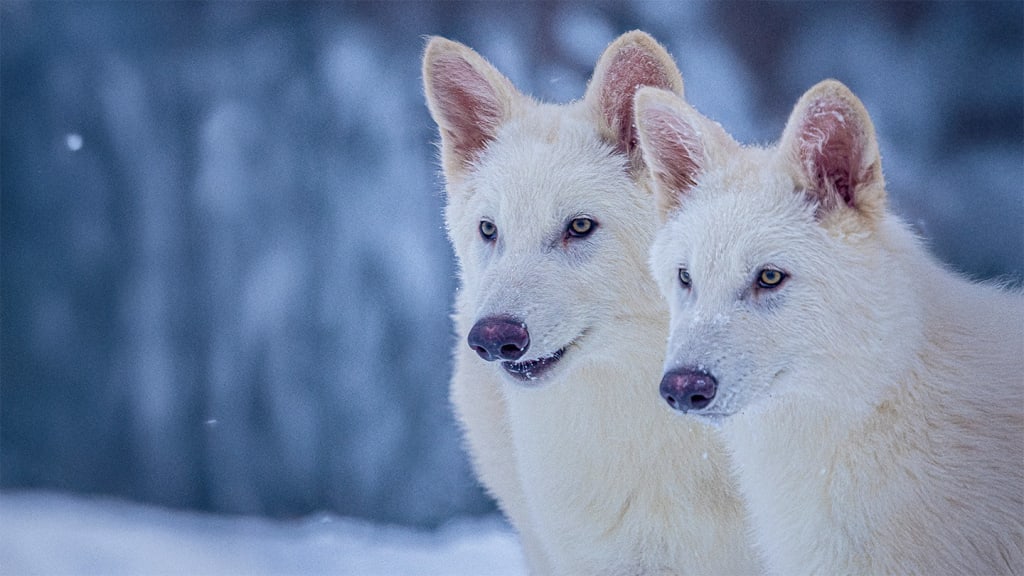
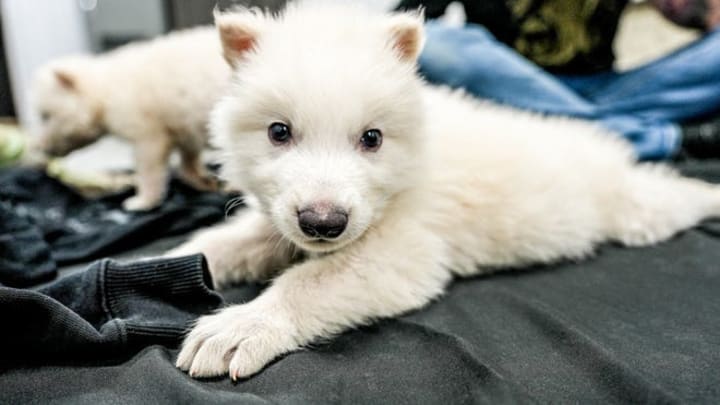
In an extraordinary scientific breakthrough that sounds more like a sci-fi movie than reality, U.S.-based biotech firm Colossal Biosciences has taken a giant leap in the field of de-extinction. The company recently announced the successful birth of three genetically modified wolf pups—Romulus, Remus, and Khaleesi—engineered to possess the physical traits of the legendary dire wolf, a fearsome predator that roamed North America over 10,000 years ago. This groundbreaking feat is not just a marvel of modern genetics; it signals a new era where extinct species might walk the Earth again.
A Legend Reborn
The dire wolf (Canis dirus) once dominated the Pleistocene landscape, preying on large herbivores such as bison and horses. Often portrayed in popular culture, especially in shows like HBO's Game of Thrones, the dire wolf has long captured the human imagination. Despite its similarities to the modern gray wolf, the dire wolf was genetically distinct and much more robust, with a stockier build, larger jaws, and powerful limbs.
Colossal Biosciences, often dubbed the "Jurassic Park" company for its ambitious mission to reverse extinction, collaborated with paleogeneticists to extract and analyze ancient DNA from dire wolf fossils, including a 13,000-year-old tooth and a 72,000-year-old skull. These genetic samples were key in identifying 20 crucial genetic markers that differentiated dire wolves from their modern relatives.
Using CRISPR gene-editing technology, scientists altered 14 of these genes in gray wolf cells to reintroduce traits such as enhanced musculature, wider skulls, and a pale coat color reminiscent of the dire wolf. The edited cells were then implanted into dog surrogates, resulting in the birth of three healthy pups.
Are They Truly Dire Wolves?
This question has become the crux of an ongoing debate. While Romulus, Remus, and Khaleesi exhibit some physical traits of dire wolves, they are not genetically identical to the extinct species. Experts clarify that these animals are not actual dire wolves, but rather genetically modified hybrids of modern gray wolves. They are best described as proxies—organisms that simulate extinct species but lack full genetic and behavioral authenticity.

Moreover, reintroducing such animals into the wild presents complex ecological challenges. Dire wolves were apex predators in an environment that no longer exists. Without the specific prey and climate conditions they evolved in, these proxies would not behave or function as their ancestors once did.
Still, the accomplishment cannot be understated. It represents the first significant step in a long journey toward potentially reviving extinct species and reintegrating them into the natural world.
The Bigger Picture: De-Extinction and Conservation
Colossal’s work with dire wolves is part of a larger movement in de-extinction science. The idea is not simply to bring back long-gone creatures for curiosity’s sake, but to use biotechnology as a tool for ecological restoration and biodiversity preservation. Scientists argue that reintroducing proxies of extinct animals can help repair damaged ecosystems, serve as keystone species, and restore natural balance.
However, de-extinction is not without controversy. Ethical concerns loom large: Should we play God by resurrecting species that nature has already phased out? What are the risks of creating organisms that might not fit into today’s ecosystems? And how do we balance this cutting-edge science with traditional conservation efforts that focus on saving endangered species?
Colossal Biosciences acknowledges these concerns and emphasizes that their work aims to complement, not replace, existing conservation practices. By advancing gene-editing technologies, they hope to develop techniques that can also be used to protect endangered species from extinction.
What’s Next for Colossal?
Colossal Biosciences is not stopping with the dire wolf. Their next high-profile project is perhaps even more audacious: bringing back the woolly mammoth.
The woolly mammoth (Mammuthus primigenius), extinct for over 4,000 years, is the centerpiece of Colossal’s next de-extinction initiative. The goal is to create a cold-resistant elephant-mammoth hybrid capable of surviving in the Arctic tundra. By doing so, scientists hope to reintroduce mammoth-like creatures into the Siberian steppe to combat climate change.
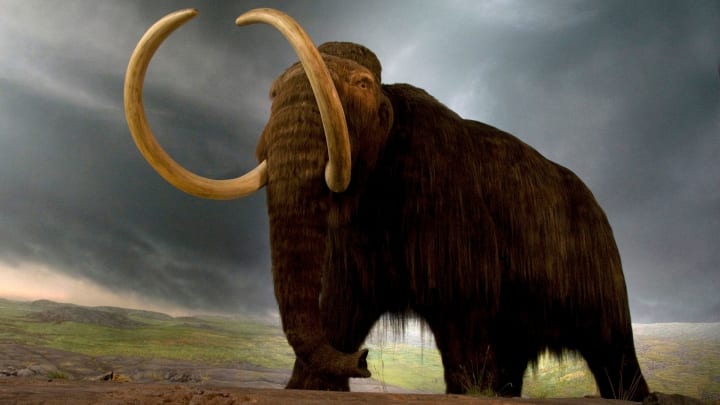
The theory is that these hybrids could help convert tundra into grasslands, which would better reflect sunlight and sequester carbon, thus slowing down permafrost melt. The project has garnered significant attention not just from biologists, but also climate scientists and environmental activists.
Colossal plans to use Asian elephants—mammoths’ closest living relatives—as the genetic foundation. They’ve identified over 60 genes responsible for mammoth traits like dense hair, fat storage, and cold tolerance, and are currently in the process of editing these genes.
Looking Forward
The return of the dire wolf, even in proxy form, is a historic milestone in synthetic biology. It demonstrates the incredible power of CRISPR and genetic engineering to rewrite the narrative of extinction. But it also serves as a reminder of the ethical and ecological complexities that accompany such advancements.
As Colossal Biosciences moves forward with its woolly mammoth project and other de-extinction ventures, it is crucial for the scientific community, policymakers, and the public to engage in informed discussions. Questions of bioethics, ecological responsibility, and scientific transparency must remain central to this rapidly evolving field.
In the end, de-extinction is not just about reviving the past—it’s about reimagining the future. Whether it’s the haunting howl of a dire wolf echoing through the forests once more or a mammoth trudging across the tundra, these projects challenge our understanding of life, death, and our role in shaping the natural world.
One thing is certain: the age of de-extinction has begun, and Colossal Biosciences is leading the charge into this brave new world.
About the Creator
How to Relieve Stomach Bloating Fast Naturally: A Doctor-Approved Gut Reset That Actually Feels Human
Bloating doesn’t announce itself politely. It shows up suddenly, tightens your abdomen, and makes everything—from sitting to breathing to wearing normal clothes—feel harder than it should. There’s a distinct moment when you realize something is off, and your brain jumps straight to one question:
By Darryl Hudson6 days ago in FYI



Comments
There are no comments for this story
Be the first to respond and start the conversation.