
Music Rights 101: What Every Musician Should Know
What Every Musician Should Know

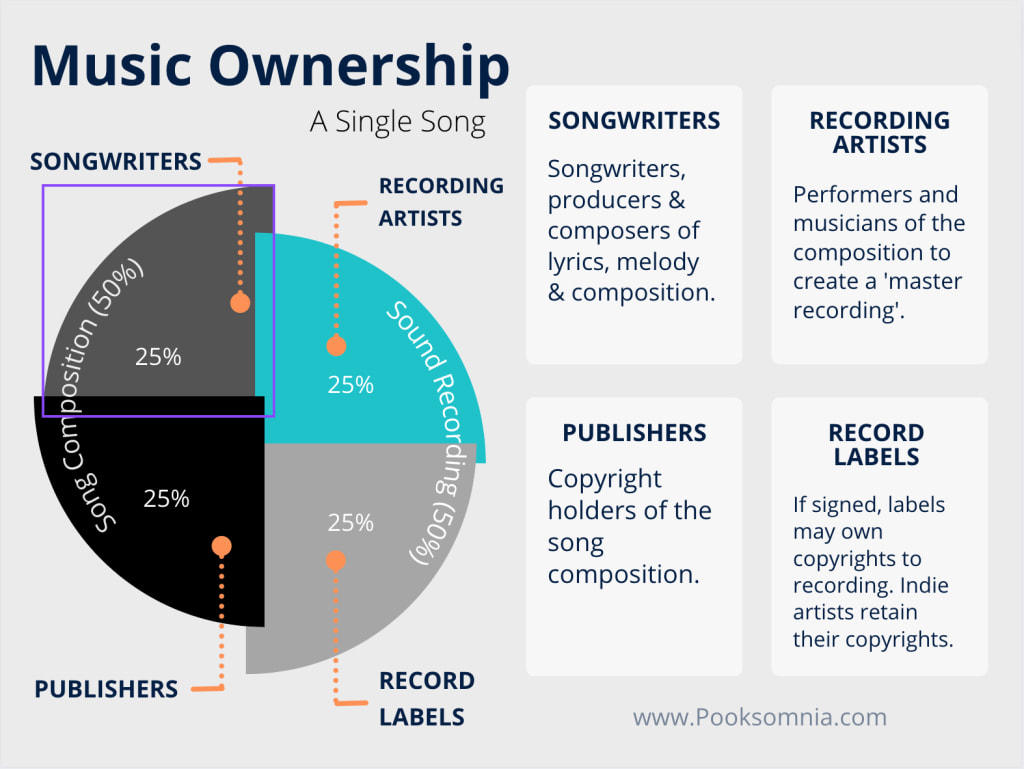
Navigating the music industry can be complex, especially when it comes to understanding your rights as an artist. Music rights are the cornerstone of protecting your intellectual property and ensuring that you, as a creator, receive fair compensation for your work. Whether you're an independent musician or signed to a label, knowing the different types of music rights can significantly impact your career. This article will guide you through the basics of music rights, focusing on the key areas every musician should understand to protect their work and maximize earnings.
The Importance of Music Rights
Music rights are essential for any artist who creates original music. These rights grant creators control over how their music is used, distributed, and monetized. Without a proper understanding of music rights, musicians risk losing control over their work, allowing others to profit without providing fair compensation. As the music industry continues to evolve with the rise of streaming platforms, digital downloads, and social media, protecting your intellectual property has never been more critical.
Types of Music Rights
There are several types of music rights that every artist should be familiar with. Understanding these rights can help you make informed decisions about licensing, distribution, and monetization. Below are the key types of music rights:
1. Performance Rights
Performance rights come into play when your music is publicly performed, whether in concerts, on the radio, or through streaming services like Spotify or Apple Music. These rights are managed by Performing Rights Organizations (PROs) such as ASCAP, BMI, and SESAC in the U.S., or PRS for Music in the UK.
Whenever your music is played in public settings like restaurants, malls, or clubs, or streamed online, you are entitled to performance royalties. PROs monitor these public performances and ensure that you receive royalties for every instance of your music being played.
2. Mechanical Rights
Mechanical rights refer to the reproduction of your music in physical or digital formats, such as CDs, vinyl, or digital downloads from platforms like iTunes. Whenever someone makes a copy of your music, such as duplicating it on a CD or downloading it, you are owed mechanical royalties.
These rights are particularly important in the age of streaming, where songs are downloaded and stored in various formats. Mechanical royalties are collected and paid through organizations like The Harry Fox Agency in the U.S. or MCPS in the UK.
3. Synchronization (Sync) Rights
Sync rights allow your music to be synchronized with visual media, such as in movies, television shows, commercials, or video games. If your song is used in a film or advertisement, the creator of that visual content must obtain a synchronization license.
Sync rights can be highly lucrative, as a single licensing deal for a popular TV show or movie can significantly boost your income and exposure. Many musicians actively seek sync deals as part of their career strategy, as these opportunities can lead to substantial financial rewards and heightened visibility.
4. Reproduction Rights
Reproduction rights give you control over how your music is copied, whether physically or digitally. This includes the production of albums, mixtapes, or digital files for streaming and downloads. Reproduction rights are crucial in the digital age, where illegal downloading and unauthorized distribution can quickly erode an artist’s revenue stream.
Monitoring and enforcing your reproduction rights can ensure that you’re compensated whenever your music is reproduced or shared, helping to secure your income from various distribution channels.
5. Moral Rights
Moral rights protect the integrity of your work and ensure that you are credited as the creator. These rights allow you to maintain the originality of your music and prevent others from distorting or misusing your work. Although moral rights are not as commonly discussed as mechanical or performance rights, they play a crucial role in protecting your artistic vision.
For example, if someone alters your song without permission, you can claim a violation of your moral rights. These rights ensure that your work is represented in the way you intended.
How to Register and Protect Your Music Rights
As a musician, registering your music with the appropriate organizations is the first step in protecting your rights. Here's how you can take action:
Join a Performing Rights Organization (PRO): Sign up with a PRO like ASCAP, BMI, or PRS for Music. This will help you collect performance royalties from radio, live performances, and streaming platforms.
Register Your Songs with a Mechanical Rights Organization: Make sure your songs are registered with organizations like The Harry Fox Agency or MCPS to collect mechanical royalties.
Secure Sync Licensing Deals: If you want to license your music for TV, film, or commercials, consider working with a sync licensing agent or music supervisor who can help you find opportunities and negotiate deals.
Monitor Unauthorized Use: Keep an eye out for unauthorized use of your music, especially on digital platforms. Services like YouTube and SoundCloud offer content ID tools that allow you to track where your music is being used and collect royalties for unauthorized performances.
Conclusion
Music rights are a complex but essential aspect of a musician’s career. Understanding the various types of music rights—performance, mechanical, synchronization, reproduction, and moral—is the first step to ensuring that you retain control over your creative work and receive the compensation you deserve.
By registering your music with the appropriate organizations and actively monitoring how your music is used, you can safeguard your intellectual property and build a sustainable, long-term career in the music industry. Don’t wait until it's too late—take control of your music rights today and secure your future as an artist.
About the Creator
Music Industry Updates
Welcome to Music Industry Updates, your go-to hub for the latest happenings in the music world.
Stay tuned, stay informed, and stay inspired with Music Pulse – where every beat counts.
Keep reading
More stories from Music Industry Updates and writers in FYI and other communities.
Public Domain Music: Key Advantages for Independent Musicians
In today’s competitive music landscape, independent musicians face numerous challenges. From securing funding for studio time to navigating complex copyright laws, indie artists often need creative solutions to thrive. One such solution is using public domain music. Public domain music refers to musical works whose copyrights have expired or never existed in the first place, making them free for public use without legal consequences. For independent musicians, this resource offers an incredible opportunity to create, experiment, and innovate without the burden of hefty licensing fees or potential copyright infringement.
By Music Industry Updatesabout a year ago in FYI
The Visionary Behind Modern Chhattisgarh
When Chhattisgarh was carved out as a separate state on 1 November 2000, the announcement marked only the beginning of a far more demanding journey. Creating a new state is not merely a political decision; it is an administrative test of the highest order. Systems must be built, institutions must be established, and continuity of governance must be ensured often under intense time pressure and public scrutiny.
By Muddasar Rasheed5 days ago in FYI



Comments
There are no comments for this story
Be the first to respond and start the conversation.