
Public Domain Music: Key Advantages for Independent Musicians
Public Domain Music

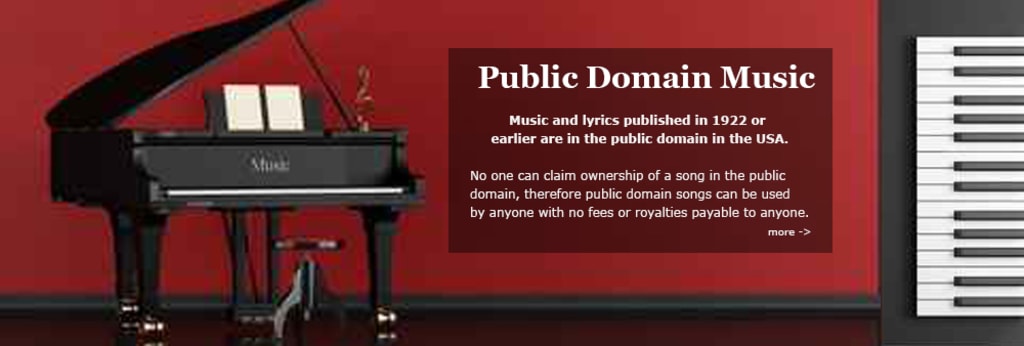
In today’s competitive music landscape, independent musicians face numerous challenges. From securing funding for studio time to navigating complex copyright laws, indie artists often need creative solutions to thrive. One such solution is using public domain music. Public domain music refers to musical works whose copyrights have expired or never existed in the first place, making them free for public use without legal consequences. For independent musicians, this resource offers an incredible opportunity to create, experiment, and innovate without the burden of hefty licensing fees or potential copyright infringement.
This article explores how public domain music can benefit independent musicians and help them stand out in an industry where originality and cost-efficiency are essential.
Cost-Effective Music Creation
One of the most significant advantages of using public domain music is that it eliminates the cost associated with licensing fees. When independent musicians want to incorporate copyrighted material into their songs or performances, they are typically required to pay for licenses, which can be prohibitively expensive. For a musician who is funding their career independently, these costs can add up quickly.
Public domain music provides an excellent alternative. Since no permission or payment is required, independent artists can incorporate well-known melodies, classical compositions, or folk songs into their work without worrying about additional costs. This freedom allows artists to redirect their limited budgets toward other essential areas, such as promotion, production, or touring.
Creative Flexibility and Inspiration
Public domain music offers a treasure trove of creative inspiration. Many classical compositions, traditional folk songs, and old jazz standards are in the public domain, providing indie musicians with a vast library of timeless music to explore, reimagine, and incorporate into their own projects. These works can be used as a foundation for creating new songs, remixes, or mashups, allowing musicians to experiment with different styles and genres.
For instance, a musician can take a well-known classical piece like Beethoven’s “Fur Elise” and create a modern interpretation by adding electronic elements or restructuring the composition into a completely new arrangement. This type of creative reworking is not only allowed but encouraged, as it helps breathe new life into timeless music and can even introduce classic works to a new generation of listeners.
Additionally, public domain music allows musicians to connect with a rich historical tradition. By drawing on pieces that have been cherished for centuries, artists can blend the past and present in innovative ways, paying homage to musical history while creating something fresh and original.
Legal Freedom and Protection
One of the most daunting aspects of creating music today is navigating the complex world of copyright laws. Copyright infringement can result in expensive lawsuits, damage to an artist’s reputation, and loss of creative control. For independent musicians who are not backed by a team of legal experts, the risk of inadvertently using copyrighted material is a constant concern.
Public domain music eliminates this risk entirely. Since the works are not protected by copyright, they can be freely used, reproduced, and distributed without fear of legal repercussions. This legal freedom allows independent musicians to focus on their creativity and production rather than worrying about potential copyright claims. It also provides peace of mind, knowing that they are not at risk of infringing on another artist’s intellectual property.
A Gateway to New Audiences
Public domain music has a wide-reaching appeal. Many of the works in the public domain are well-known, classical pieces or traditional folk songs that have stood the test of time. By incorporating these familiar elements into their music, independent artists can tap into a broader audience that may already have an emotional or cultural connection to these works.
For example, a musician who reinterprets a public domain folk song that is beloved in a particular region or culture may gain immediate recognition from listeners who appreciate the nod to tradition. This can be a powerful way to engage with audiences and build a fanbase, especially for artists looking to break into niche markets.
Opportunities for Re-releases and Compilations
Another advantage of public domain music is the opportunity for re-releases and compilations. Since public domain music is not bound by copyright restrictions, musicians can freely create new recordings of classic works and release them as part of their catalog. This can be an excellent strategy for building a diverse discography or offering fans a broader range of musical styles.
Re-recording and modernizing public domain music also opens up new revenue streams for indie musicians. Whether through digital downloads, physical album sales, or streaming platforms, these re-imagined public domain tracks can help artists generate income while offering something unique to their audience.
Inspiring a Collaborative Spirit
Using public domain music also opens the door to collaboration. Many independent musicians work together to create new material, and public domain music can serve as a common creative ground. Collaborating on a reimagined version of a public domain piece can lead to exciting musical results, as different artists bring their unique styles and interpretations to the table.
Collaborations involving public domain music also allow for more freedom in terms of licensing and royalties, as there are no restrictions on how the music is used, split, or shared. This creative freedom fosters collaboration between artists without the complexities of dividing profits from licensed music.
Conclusion
For independent musicians, public domain music is a valuable resource that provides both creative inspiration and practical benefits. From saving money on licensing fees to offering legal protection and providing a gateway to new audiences, public domain music helps indie artists thrive in an industry where every advantage counts. By incorporating public domain music into their work, independent musicians can access a wealth of historical compositions and traditional tunes that allow them to innovate and stand out while building their careers.
Artists looking to explore this path should dive into the world of public domain music, using it as a foundation for creating original and meaningful works that resonate with both contemporary and classic audiences.
About the Creator
Music Industry Updates
Welcome to Music Industry Updates, your go-to hub for the latest happenings in the music world.
Stay tuned, stay informed, and stay inspired with Music Pulse – where every beat counts.
Keep reading
More stories from Music Industry Updates and writers in FYI and other communities.
How Indie Artists Can Leverage Social Media for Music Promotion
In today’s digital landscape, social media has become a vital tool for indie artists to promote their music. Gone are the days when artists needed large record labels to reach an audience. With platforms like Instagram, TikTok, and YouTube, indie musicians have the power to connect directly with fans, build their brand, and promote their work globally. However, effective social media promotion requires a strategic approach. This article will explore various strategies that indie artists can use to maximize their reach and visibility through social media.
By Music Industry Updatesabout a year ago in FYI
I Preached an Entire Sermon Based on Only One Word
As an itinerant preacher, I was invited to preach at a church for its Missionary Sunday. I chose to preach on a practical subject in keeping with the occasion. Even though the sermon was geared toward missionaries, it was appropriate for everyone who heard it.
By Margaret Minnicks5 days ago in FYI



Comments
There are no comments for this story
Be the first to respond and start the conversation.