
Interesting Things you never knew before about Cashew Nuts from Beauty to Health.
Everything you need to know About Cashew


History of Cashew :
The cashew nut is native to northeastern Brazil, where it has been cultivated for thousands of years by the indigenous people of the region. The Portuguese brought the cashew tree to Goa, India, in the 16th century, and from there it spread to other parts of Asia and Africa.
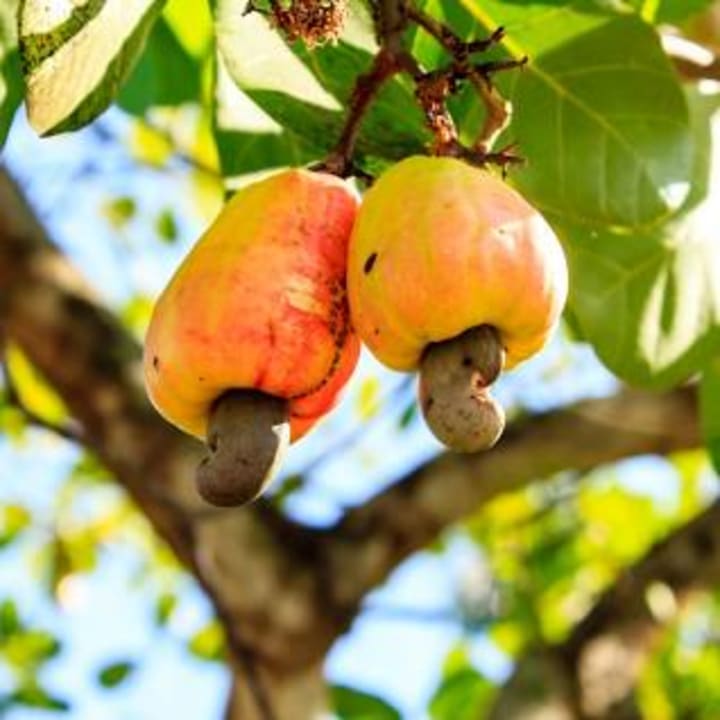
The name "cashew" is derived from the Portuguese word "caju," which comes from the Tupi Indian word "acaju." The cashew tree produces a fruit called the cashew apple, which is used to make juices, jams, and other products. The cashew nut, which is actually the seed of the fruit, is protected by a hard outer shell that contains an irritant called urushiol, which can cause a skin rash similar to poison ivy.
To remove the outer shell, the cashews are roasted or steamed. This process also helps to destroy the urushiol. Once the outer shell is removed, the cashews are graded according to size and quality. The best quality cashews are whole and unbroken, with a creamy white color and a buttery flavor.
Today, cashews are grown in many tropical countries around the world, including India, Vietnam, Brazil, and Africa. They are a popular snack and ingredient in many cuisines, and are also used to make cashew butter, cashew milk, and other products. The cashew industry provides employment and income for many people in developing countries, and cashews are an important export crop for many of these countries.
Nutritional Content of Cashew :
Cashews are a nutrient-dense food that provides a range of essential nutrients. Here are some of the key nutritional components of cashews:
- Protein: Cashews are a good source of protein, which is important for building and repairing tissues in the body.
- Healthy fats: Cashews are rich in healthy fats, including monounsaturated and polyunsaturated fats, which can help lower cholesterol levels and reduce the risk of heart disease.
- Carbohydrates: Cashews contain carbohydrates, which provide energy for the body.
- Fiber: Cashews are a good source of dietary fiber, which can help promote digestive health and prevent constipation.
- Vitamins: Cashews are a good source of several vitamins, including vitamin E, vitamin K, and B vitamins such as thiamin, riboflavin, and vitamin B6.
- Minerals: Cashews are rich in several minerals, including magnesium, phosphorus, copper, and manganese.
- Antioxidants: Cashews contain antioxidants, such as flavonoids and carotenoids, which can help protect the body against oxidative stress and inflammation.
Overall, cashews are a nutritious food that can be a healthy addition to your diet. However, they are also high in calories, so it's important to consume them in moderation as part of a balanced diet.
Health Benefits of Cashew :
Cashews offer a range of health benefits due to their nutrient profile. Here are some potential health benefits of consuming cashews:
1. Heart health: Cashews are a good source of healthy fats, including monounsaturated and polyunsaturated fats, which can help lower cholesterol levels and reduce the risk of heart disease.
2. Blood sugar control: Cashews contain fiber and healthy fats, which can help regulate blood sugar levels and reduce the risk of type 2 diabetes.
3. Bone health: Cashews are a good source of several minerals, including magnesium, phosphorus, and copper, which are important for bone health and can help reduce the risk of osteoporosis.
4. Brain health: Cashews are a good source of several vitamins and minerals, including magnesium and vitamin B6, which are important for brain health and can help reduce the risk of age-related cognitive decline.
5. Weight management: Despite being high in calories, cashews can help with weight management due to their protein, fiber, and healthy fats, which can help reduce appetite and promote feelings of fullness.
6. Skin health: Cashews contain antioxidants, such as vitamin E and selenium, which can help protect the skin against damage from free radicals and promote healthy skin.
7. Digestive health: Cashews are a good source of dietary fiber, which can help promote digestive health and prevent constipation.
It's important to note that while cashews can provide health benefits, they should be consumed in moderation as part of a balanced diet.
Beauty Benefits of Cashew :
Cashews can offer benefits for beauty and skincare when consumed regularly as part of a healthy diet. Here are some potential beauty benefits of cashews:
1. Healthy hair: Cashews contain nutrients such as biotin, copper, and zinc, which are important for maintaining healthy hair. These nutrients can help promote hair growth, prevent hair loss, and improve hair texture.
2. Strong nails: Cashews are a good source of copper, which can help strengthen nails and prevent them from becoming brittle.
3. Skin health: Cashews contain antioxidants, such as vitamin E and selenium, which can help protect the skin against damage from free radicals and promote healthy skin. Additionally, the healthy fats in cashews can help keep skin moisturized and reduce the appearance of fine lines and wrinkles.
4. Acne prevention: Cashews contain zinc, which can help regulate oil production in the skin and prevent acne.
5. Reducing dark circles: Cashews are a good source of vitamin E, which can help reduce the appearance of dark circles under the eyes.
6. Fights Signs of Aging: Cashews contain antioxidants like vitamin E, which help to fight free radicals that can cause damage to the skin. This, in turn, helps to prevent the signs of aging, such as wrinkles and fine lines.
It's important to note that while consuming cashews can offer beauty benefits, it's also important to take care of your skin and hair through other means, such as using sunscreen, drinking enough water, and practicing good hygiene.
Other Benefits of Cashew :
In addition to their potential health benefits, cashews also offer other benefits that make them a versatile and useful food. Here are some other benefits of cashews:
1. Versatile ingredient: Cashews can be used in a variety of dishes, from savory dishes like curries and stir-fries to sweet dishes like desserts and baked goods.
2. Nutrient-dense: Cashews are a nutrient-dense food that provides a range of essential nutrients, making them a good addition to a healthy diet.
3. Vegan and vegetarian-friendly: Cashews are a good source of protein and healthy fats, making them a great ingredient for vegan and vegetarian diets.
4. Shelf-stable: Cashews have a relatively long shelf life and can be stored at room temperature for several months, making them a convenient pantry staple.
5. Sustainable crop: Cashews are grown in many tropical countries around the world, providing employment and income for many people in developing countries. Additionally, cashew trees can help prevent soil erosion and improve soil fertility.
6. Delicious taste: Cashews have a creamy and buttery flavor that makes them a popular ingredient in many dishes and snacks.
Overall, cashews offer a range of benefits that make them a useful and nutritious food to include in your diet.
Weight Loss with Cashew :
Despite being high in calories, cashews can still be part of a weight loss diet when consumed in moderation and as part of a balanced diet. Here are some ways in which cashews can aid in weight loss:
1. Fiber: Cashews are a good source of dietary fiber, which can help promote feelings of fullness and reduce appetite, ultimately leading to fewer calories consumed.
2. Protein: Cashews are also a good source of protein, which can help increase satiety and reduce cravings.
3. Healthy fats: Cashews contain healthy fats, which can help reduce inflammation and promote weight loss by increasing the body's ability to burn fat.
However, it's important to remember that cashews are also high in calories, so it's important to consume them in moderation and factor them into your daily calorie intake. Additionally, it's important to choose plain, unsalted cashews rather than those coated in sugar or salt, as added sugars and salt can contribute to weight gain. Finally, incorporating exercise into your weight loss plan is also important for achieving and maintaining a healthy weight.
Unknown Facts About Cashew :
Here are some lesser-known facts about cashews:
1. The cashew tree produces both a nut and a fruit: The cashew nut is actually the seed of the cashew fruit, which is a small, pear-shaped fruit that grows on the cashew tree.
2. Cashews are related to poison ivy and poison sumac: The cashew tree is part of the Anacardiaceae family, which also includes poison ivy and poison sumac. The oil inside the cashew shell can cause skin irritation similar to that caused by poison ivy or poison sumac, which is why cashews are always sold shelled and roasted.
3. Cashews were first cultivated in Brazil: Cashews are believed to have originated in Brazil, where they were first cultivated by the indigenous Tupi people.
4. Cashews were once considered a luxury food: Due to their high cost and limited availability, cashews were once considered a luxury food and were only consumed by the wealthy.
5. India is now the largest producer of cashews: While cashews were first cultivated in Brazil, India is now the largest producer of cashews in the world, accounting for around 22% of global production.
6. Cashew shells can be used for industrial purposes: The cashew shell contains a resin that can be used to produce a range of industrial products, including brake linings, paint, and varnish.
7. Cashew trees can live for up to 50 years: Cashew trees can live for up to 50 years and produce nuts for about 25 years.
Overall, cashews have a fascinating history and offer a range of benefits and uses beyond just being a delicious snack.
Overall Usage of Cashew :
Cashews have a wide range of uses beyond just being a snack. Here are some of the most common ways cashews are used:
1. Culinary uses: Cashews are a popular ingredient in many cuisines around the world, including Indian, Thai, and Middle Eastern cuisine. They are used to add flavor and texture to dishes such as curries, stir-fries, and salads.
2. Plant-based milk: Cashews can be blended with water to create a creamy and nutritious plant-based milk alternative. Cashew milk can be used in place of dairy milk in smoothies, baked goods, and other recipes.
3. Nut butter: Cashew butter is a popular alternative to peanut butter and can be used as a spread on toast or as an ingredient in recipes such as cookies and brownies.
4. Vegan cheese: Cashews can be blended with other ingredients to create a creamy and flavorful vegan cheese alternative.
5. Snack: Roasted and salted cashews are a popular snack and can be enjoyed on their own or mixed with other nuts and dried fruits.
6. Beauty and skincare: As mentioned earlier, cashews can offer benefits for skin and hair health when consumed regularly as part of a healthy diet.
7. Industrial uses: The resin found in cashew shells can be used to produce a range of industrial products, including brake linings, paint, and varnish.
Type of Cashews :
There are several types of cashews available, each with its own unique characteristics. Here are some of the most common types of cashews:
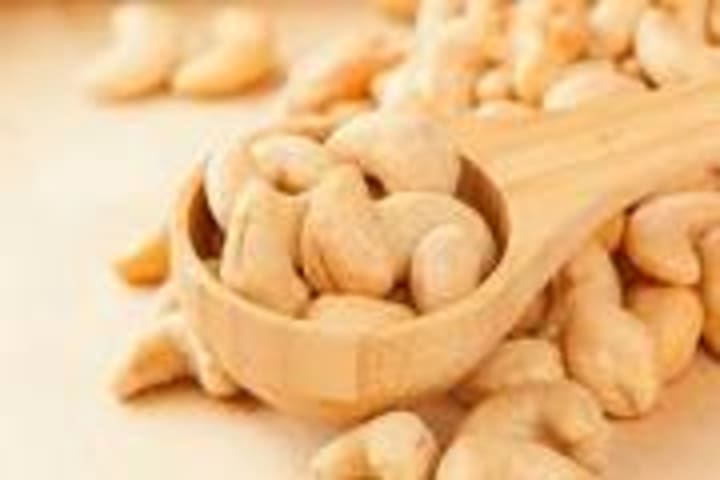
1. Whole cashews: These are the most common type of cashews and are sold with the shell removed. Whole cashews are available in various grades based on their size and shape.
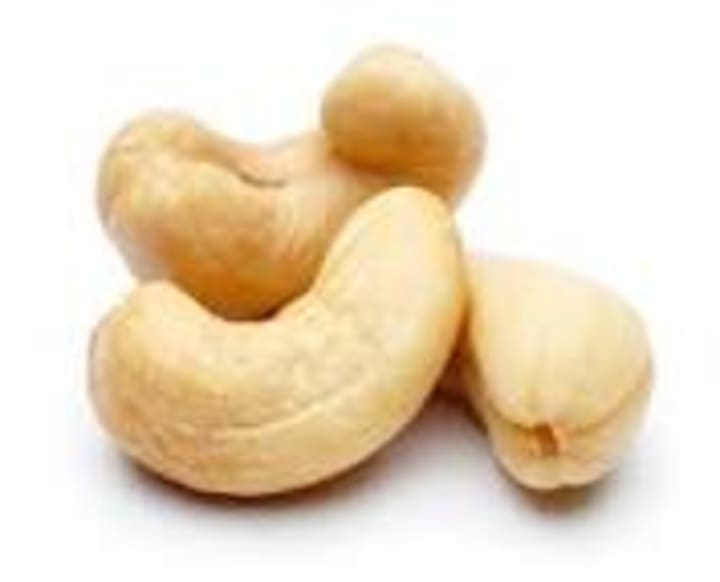
2. Broken cashews: These are whole cashews that have been broken into smaller pieces during processing. Broken cashews are often less expensive than whole cashews and are commonly used in cooking and baking.
3. Raw cashews: Raw cashews are not roasted or salted and are often used in vegan and raw food recipes.
4. Roasted cashews: Roasted cashews are baked in an oven or dry-roasted to enhance their flavor and crunchiness. They can be salted or unsalted depending on personal preference.
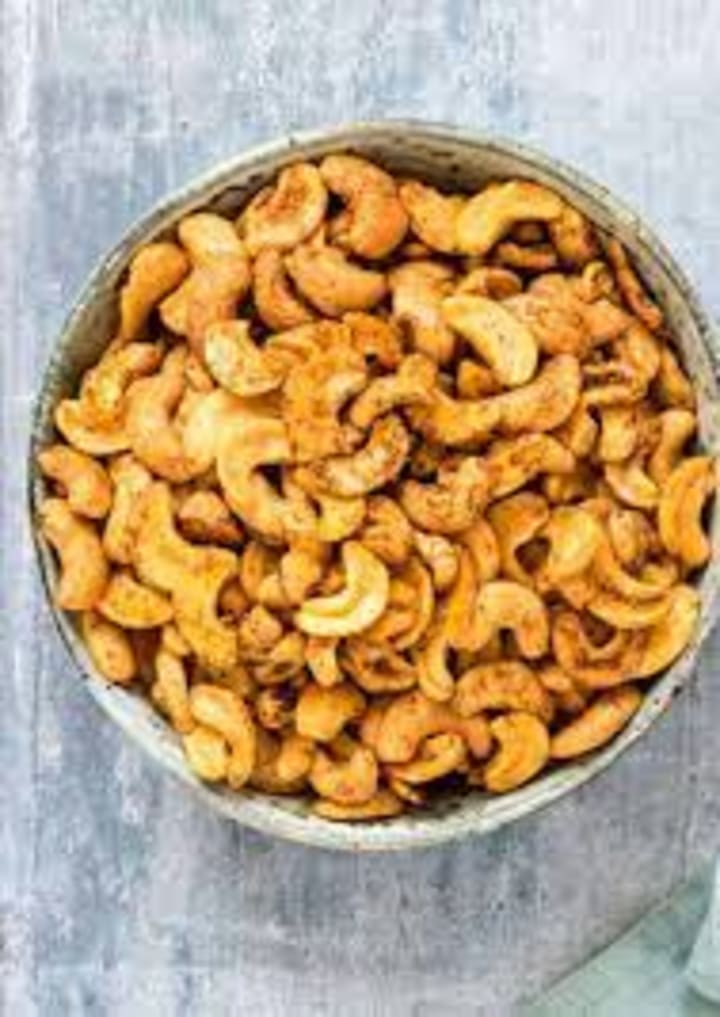
5. Flavored cashews: Flavored cashews are available in a variety of flavors, such as honey-roasted, barbecue, and chili-lime. These are often used as a snack or as an ingredient in recipes.

6. Organic cashews: Organic cashews are grown without the use of synthetic fertilizers, pesticides, or other harmful chemicals.
7. Fair trade cashew: Fair trade cashews are grown and harvested using fair labor practices and sold at a fair price, helping to support sustainable farming communities.
Overall, there are many types of cashews available to suit various tastes and preferences, and it's important to choose high-quality cashews that are free from additives and preservatives.
Right Way to Eat Cashews :
Cashews can be enjoyed in a variety of ways, and there is no one "right" way to eat them. However, there are a few things to keep in mind to ensure that you are getting the most out of your cashews:
1. Choose high-quality cashews: Look for cashews that are free from additives and preservatives and are stored in an airtight container to maintain freshness.
2. Portion control: Cashews are high in calories and fat, so it's important to practice portion control when eating them. A small handful (about 1 ounce) is typically a good serving size.
3. Enjoy as a snack or ingredient: Cashews can be eaten on their own as a snack, or added to a variety of dishes such as salads, stir-fries, and baked goods.
4. Soak raw cashews: If using raw cashews in a recipe, it's a good idea to soak them in water for a few hours beforehand. This helps to make them easier to digest and can also improve their texture.
5. Be mindful of allergies: Cashews are a common allergen, so if you have a nut allergy or sensitivity, it's important to avoid cashews and other tree nuts.
Overall, cashews are a nutritious and delicious food that can be enjoyed in moderation as part of a healthy diet.
Things to know before Considering Cashew in your Diet :
Before adding cashews to your diet, there are a few things to keep in mind to ensure that they are a good fit for your nutritional needs and overall health:
1. High calorie and fat content: Cashews are high in calories and fat, so it's important to practice portion control and not overconsume them. A small handful (about 1 ounce) is typically a good serving size.
2. Allergy concerns: Cashews are a tree nut and can cause allergic reactions in some people. If you have a nut allergy or sensitivity, it's important to avoid cashews and other tree nuts.
3. Oxalate content: Cashews are high in oxalates, which can contribute to the formation of kidney stones in some people. If you have a history of kidney stones or other kidney problems, it's best to consult with a healthcare professional before adding cashews to your diet.
4. Processing and additives: Some cashews may be processed using chemicals or additives that can be harmful to your health. Look for high-quality cashews that are free from additives and preservatives.
5. Nutritional profile: While cashews offer many health benefits, they are also high in calories and fat. If you are trying to lose weight or manage a health condition such as diabetes, it's important to consider the overall nutritional profile of cashews and how they fit into your dietary needs.
Overall, cashews can be a nutritious and delicious addition to your diet when consumed in moderation and with consideration of your individual health needs.
Different Ways of Having Cashew in your Diet :
Cashews are a versatile ingredient that can be incorporated into your diet in many different ways. Here are a few ideas for adding cashews to your meals and snacks:
1. Snack on whole cashews: Enjoy a small handful (about 1 ounce) of whole cashews as a satisfying snack between meals.
2. Make cashew butter: Blend cashews in a food processor until smooth and creamy to make your own cashew butter. Spread it on toast or use it as a dip for fruit and vegetables.
3. Add to salads: Sprinkle chopped cashews on top of salads for added crunch and flavor.
4. Use in stir-fries: Add cashews to stir-fries for a protein-rich and flavorful ingredient.
5. Make vegan cheese: Blend soaked cashews with nutritional yeast and seasonings to make a vegan cheese alternative.
6. Use as a crust for meat or fish: Crush cashews and use them as a flavorful crust for baked or pan-seared meat or fish.
7. Bake into goods: Add chopped cashews to muffins, bread, or granola for added texture and flavor.
8. Make cashew milk: Blend cashews with water to make a creamy and nutritious plant-based milk alternative.
9. Make cashew cream sauce: Blend cashews with water, lemon juice, and seasonings to make a creamy and flavorful sauce for pasta or vegetables.
Overall, there are many different ways to incorporate cashews into your diet, whether as a snack, a topping for salads, or as a key ingredient in a recipe. Experiment with different methods and enjoy the many health benefits that cashews have to offer.
Some Recipes using Cashew :
Here are some delicious recipes that use cashews:
1. Vegan Cashew Cheese:
Ingredients:
- 1 cup raw cashews, soaked for at least 2 hours
- 1/4 cup nutritional yeast
- 1 clove garlic, minced
- 1/2 teaspoon salt
- 1/4 cup lemon juice
- 1/4 cup water
Instructions:
1. Drain and rinse the soaked cashews and add them to a blender or food processor.
2. Add the nutritional yeast, garlic, salt, lemon juice, and water to the blender and blend until smooth and creamy.
3. Taste and adjust seasonings as needed. If the cheese is too thick, add more water to achieve your desired consistency.
4. Transfer the cheese to a bowl and chill in the refrigerator for at least 30 minutes before serving.
2. Cashew and Coconut Curry:
Ingredients:
- 1 cup raw cashews
- 1 tablespoon coconut oil
- 1 onion, chopped
- 2 cloves garlic, minced
- 1 tablespoon curry powder
- 1 can (14 ounces) coconut milk
- 1 cup vegetable broth
- 2 cups chopped vegetables (such as bell peppers, zucchini, and carrots)
- Salt and pepper, to taste
Instructions:
1. In a large pot or dutch oven, heat the coconut oil over medium heat. Add the onion and garlic and sauté for 2-3 minutes, or until the onion is translucent.
2. Add the curry powder and stir to combine.
3. Add the coconut milk, vegetable broth, and chopped vegetables to the pot and bring to a simmer.
4. Cover the pot and let simmer for 20-25 minutes, or until the vegetables are tender.
5. While the curry is cooking, toast the cashews in a dry skillet over medium heat until lightly browned and fragrant.
6. Serve the curry hot, topped with the toasted cashews and a sprinkle of fresh cilantro.
3. Cashew and Date Energy Balls:
Ingredients:
- 1 cup raw cashews
- 1 cup pitted dates
- 1/4 cup unsweetened shredded coconut
- 1 teaspoon vanilla extract
- 1/4 teaspoon salt
Instructions:
1. Add the cashews to a food processor and pulse until they are broken down into small pieces.
2. Add the dates, shredded coconut, vanilla extract, and salt to the food processor and pulse until everything is well combined and forms a sticky dough.
3. Roll the dough into bite-sized balls and place them on a baking sheet lined with parchment paper.
4. Refrigerate the energy balls for at least 30 minutes before serving. Store any leftovers in an airtight container in the refrigerator for up to one week.
These recipes are just a few examples of the many ways that cashews can be used to add flavor and nutrition to your meals and snacks. Enjoy experimenting with different recipes and incorporating cashews into your diet in a variety of delicious and healthy ways!
About the Creator
All About your Good Health
If you want to know About Your Diet, you can check my Stories.
Keep reading
More stories from All About your Good Health and writers in FYI and other communities.
Exploring the Health Benefits, Nutritional Content, and Delicious Recipes of Walnuts: Everything You Need to Know.
Histoy of Walnuts : Walnuts are a type of nut that come from the tree species Juglans regia, commonly known as the English walnut tree. These nuts have been consumed by humans for thousands of years and have a rich history in various cultures around the world.
By All About your Good Health3 years ago in FYI
Affection and Healing for Yourself
During the night of the last quarter moon, I gathered my ritual supplies. I carefully handled the chunk of black tourmaline that would protect me from your overall negative and narcissistic energy. I carefully walked the house with my stick of selenite in hand, asking the universe to cleanse our working space.
By Alisha Wilkins ✒️🦋🖋️3 days ago in Fiction


Comments
There are no comments for this story
Be the first to respond and start the conversation.