
Exploring the Health Benefits, Nutritional Content, and Delicious Recipes of Walnuts: Everything You Need to Know.
Discover the Wonders of Walnuts

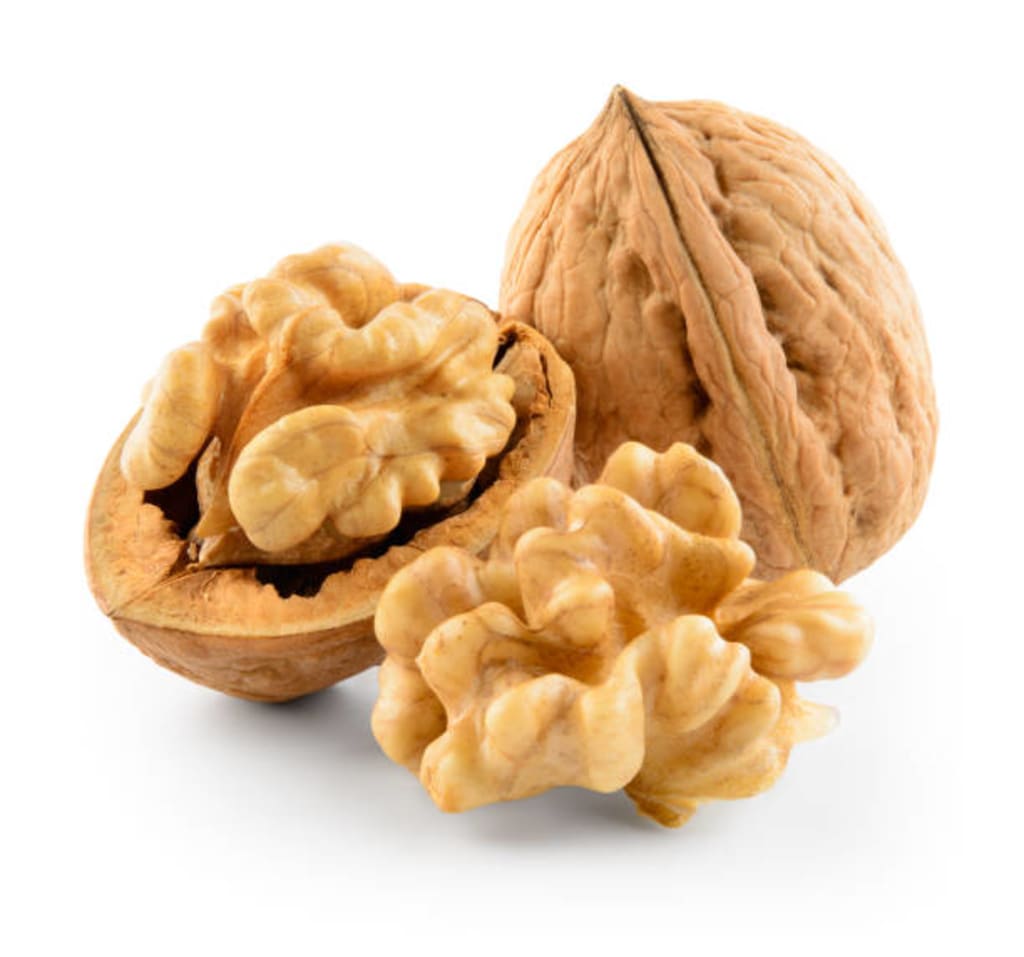
Histoy of Walnuts :
Walnuts are a type of nut that come from the tree species Juglans regia, commonly known as the English walnut tree. These nuts have been consumed by humans for thousands of years and have a rich history in various cultures around the world.
The origins of walnuts can be traced back to ancient Persia (modern-day Iran), where they were highly valued for their nutritional and medicinal properties. They were introduced to the Mediterranean region by the Greeks and Romans, who spread them throughout Europe. In fact, the scientific name of the English walnut tree, Juglans regia, translates to "royal nut of Jupiter," indicating its esteemed status in ancient times.
During the Middle Ages, walnuts were considered a symbol of intellect and knowledge, and were often depicted in paintings and illustrations as a representation of learning. They were also commonly used in medicinal remedies and were believed to have healing properties for various ailments.
In the 18th and 19th centuries, walnuts became increasingly popular in North America, where they were brought over by European colonists. Today, walnuts are still widely consumed around the world and are recognized as a nutritious and healthy food source. They are rich in omega-3 fatty acids, protein, and antioxidants, and have been linked to numerous health benefits, including improved heart health and brain function.
In addition to their nutritional value, walnuts have also played a significant role in the culinary world, and are commonly used in a variety of dishes, such as salads, baked goods, and desserts. Overall, walnuts have a rich and fascinating history that spans thousands of years and numerous cultures, and their popularity shows no signs of waning anytime soon.
Nutritional Content :
Walnuts are a highly nutritious food, rich in healthy fats, fiber, vitamins, and minerals. Here's a detailed breakdown of the nutritional content of walnuts per 1 oz (28 grams) serving:
- Calories: 183
- Protein: 4.3 grams
- Fat: 18.3 grams
- Carbohydrates: 3.9 grams
- Fiber: 1.9 grams
- Sugar: 0.7 grams
- Vitamin E: 0.8 mg (4% of the daily value)
- Thiamin: 0.1 mg (5% of the daily value)
- Riboflavin: 0.0 mg (2% of the daily value)
- Niacin: 0.3 mg (2% of the daily value)
- Vitamin B6: 0.1 mg (4% of the daily value)
- Folate: 28.1 mcg (7% of the daily value)
- Pantothenic acid: 0.1 mg (1% of the daily value)
- Calcium: 28.1 mg (3% of the daily value)
- Iron: 0.6 mg (3% of the daily value)
- Magnesium: 45.7 mg (11% of the daily value)
- Phosphorus: 98.7 mg (10% of the daily value)
- Potassium: 125.2 mg (4% of the daily value)
- Zinc: 0.9 mg (6% of the daily value)
- Copper: 0.4 mg (18% of the daily value)
- Manganese: 0.9 mg (45% of the daily value)
One of the main nutritional benefits of walnuts is their high content of healthy unsaturated fats, including alpha-linolenic acid (ALA), which is an omega-3 fatty acid. Walnuts are one of the best plant-based sources of ALA, which has been linked to various health benefits, such as improved heart health and reduced inflammation.
Walnuts are also a good source of fiber, which is important for maintaining digestive health and preventing chronic diseases like diabetes and heart disease. They contain a range of vitamins and minerals, including copper, which is important for maintaining healthy bones and immune function, and manganese, which is involved in various metabolic processes in the body.
Health Benefits :
Walnuts are a nutrient-dense food that offer a variety of health benefits. Here are some of the ways that consuming walnuts can support health:
1. Promotes heart health: Walnuts are rich in healthy fats, including omega-3 fatty acids, which have been shown to lower levels of "bad" LDL cholesterol and reduce the risk of heart disease. They are also high in antioxidants, which can help protect against inflammation and oxidative stress, both of which are linked to heart disease.
2. Supports brain health: The omega-3 fatty acids found in walnuts are also important for brain health, as they help support cognitive function and may help reduce the risk of neurodegenerative diseases like Alzheimer's and Parkinson's.
3. Helps manage diabetes: Walnuts are a good source of fiber, protein, and healthy fats, which can help regulate blood sugar levels and improve insulin sensitivity. Studies have shown that consuming walnuts may help reduce the risk of developing type 2 diabetes and improve blood sugar control in those who already have the condition.
4. May reduce cancer risk: Walnuts contain a variety of compounds, including antioxidants and polyphenols, which have been shown to have anti-cancer properties. Several studies have suggested that consuming walnuts may help reduce the risk of developing certain types of cancer, including breast, prostate, and colorectal cancer.
5. Promotes weight management: Despite their relatively high calorie content, walnuts may actually be beneficial for weight management. This is because they are rich in protein, fiber, and healthy fats, which can help increase feelings of fullness and reduce overall calorie intake.
6. Supports reproductive health: Walnuts are a good source of zinc, which is important for reproductive health in both men and women. Zinc is necessary for healthy sperm production and can also help regulate menstrual cycles and support healthy ovulation in women.
Overall, walnuts are a nutritious and health-promoting food that can be easily incorporated into a balanced diet. However, it's important to consume them in moderation as part of an overall healthy eating pattern, as they are also high in calories.
Types of Walnuts :
There are several types of walnuts, each with its own distinct characteristics and flavor profile. Here are some of the most common types of walnuts:
1. English or Persian Walnuts: This is the most common type of walnut that is widely available in grocery stores. It has a hard, thick shell and a smooth, light-colored nutmeat. English walnuts have a slightly sweet, mild flavor and are often used in baking, cooking, and as a snack.

2. Black Walnuts: Black walnuts have a thick, hard, black outer shell and a rich, bold flavor. They are native to North America and are less commonly available than English walnuts. Black walnuts are often used in baking and as a flavoring for ice cream and other desserts.

3. White Walnuts: White walnuts, also known as butternuts, have a soft, cream-colored nutmeat and a thin, light-colored shell. They have a mild, slightly sweet flavor and are often used in baking and as a snack.

4. Heartnut: Heartnuts have a unique heart-shaped nutmeat and a thin, papery shell. They have a rich, buttery flavor and are often used in baking and as a snack.

5. Pine Nuts: While not technically a walnut, pine nuts are often included in the nut category and are commonly used in cooking and baking. They have a mild, sweet flavor and are often used in Mediterranean and Middle Eastern cuisine.

Each type of walnut has its own distinct nutritional profile and health benefits, but they are all high in healthy fats, fiber, vitamins, and minerals. Regardless of the type, incorporating walnuts into your diet can provide numerous health benefits and add flavor and texture to a variety of dishes.
Unknown Facts About Walnuts :
Here are some lesser-known or surprising facts about walnuts:
1. Walnuts are technically not nuts. They are classified as a type of fruit called a drupe, which means they have an outer fleshy layer surrounding a hard shell with a seed inside.
2. Walnuts have a long history of medicinal use. Ancient Greeks and Romans believed that walnuts could cure everything from headaches to infertility, and traditional Chinese medicine has used them to treat a variety of ailments for centuries.
3. Walnuts were considered a symbol of fertility in ancient cultures. The resemblance of the walnut to the human brain led people to believe that consuming walnuts could improve brain function and enhance fertility.
4. The word "walnut" comes from an Old English term meaning "foreign nut," as it was originally imported from the Mediterranean region.
5. Walnuts were one of the first foods to be grown commercially in the United States. They were first cultivated in California in the mid-19th century and have since become a major agricultural crop in the state.
6. Walnuts are one of the few plant-based sources of omega-3 fatty acids. These healthy fats are typically found in fish and seafood, making walnuts an important dietary option for vegetarians and vegans.
7. Walnut trees can live for hundreds of years and grow to be over 100 feet tall. The oldest known walnut tree is estimated to be over 1,000 years old and can be found in the Republic of Georgia.
8. Walnut shells have been used for a variety of purposes, including as a natural abrasive for cleaning and polishing, as a fuel source, and even as a material for making buttons.
9. In some cultures, walnuts are believed to bring good luck or ward off evil spirits. In Iran, for example, it is traditional to eat walnuts on the eve of the New Year as a symbol of good fortune.
10. Walnuts have been shown to have a positive effect on gut health. Research has found that consuming walnuts can increase the diversity of gut bacteria and improve overall gut function, which may have benefits for digestion and immune function.
Usage of Walnuts :
Walnuts are a versatile food that can be used in a variety of ways. Here are some common ways walnuts are used in cooking, baking, and snacking:
1. Snacking: Walnuts can be eaten on their own as a healthy snack. They can be enjoyed raw or roasted and seasoned with salt or other spices for added flavor.
2. Baking: Walnuts are a common ingredient in baked goods such as cakes, cookies, and bread. They can be chopped or ground and added to the batter, or used as a topping for pies and other desserts.
3. Cooking: Walnuts can be used in savory dishes as well. They can be added to salads, stir-fries, pasta dishes, and other recipes for added flavor and texture.
4. Nut butter: Walnuts can be ground into a creamy, nutty butter that can be used as a spread for toast, sandwiches, and other snacks.
5. Milk: Walnuts can also be used to make a dairy-free milk alternative. Walnut milk can be used in place of cow's milk in recipes and can also be enjoyed on its own.
6. Oil: Walnut oil is a flavorful and nutritious oil that can be used in cooking and as a salad dressing.
7. Topping: Walnuts can be used as a topping for oatmeal, yogurt, and other breakfast dishes for added crunch and nutrition.
Overall, walnuts can be a healthy and tasty addition to a variety of dishes and snacks. They are high in healthy fats, fiber, and protein, making them a nutritious and satisfying food.
Right Way to Eat Walnuts :
There's no one "right" way to eat walnuts, as it depends on personal preference and how they are being used in a particular recipe or dish. However, here are some general guidelines for enjoying walnuts:
1. Choose fresh walnuts: When purchasing walnuts, look for ones that are fresh and free from cracks or other damage. Store them in a cool, dry place to maintain their freshness.
2. Eat them raw or roasted: Walnuts can be eaten raw or roasted. If you prefer raw walnuts, simply crack them open and eat the nut inside. If you prefer roasted walnuts, spread them out on a baking sheet and roast them in the oven for about 10-15 minutes at 350°F (175°C) until they are fragrant and slightly browned.
3. Add them to recipes: Walnuts can be added to a variety of recipes, such as salads, oatmeal, baked goods, and more. Chop them up and add them to the recipe as directed.
4. Use walnut butter: Walnut butter is a delicious alternative to peanut butter or other nut butters. Spread it on toast or use it in recipes in place of peanut butter.
5. Enjoy them as a snack: Walnuts make a great snack on their own or combined with other nuts and dried fruit. Keep a handful in your bag or desk for a quick and satisfying snack.
6. Watch your portion size: While walnuts are a healthy food, they are also high in calories. It's important to enjoy them in moderation and watch your portion sizes to avoid overeating.
Remember, there are many ways to enjoy walnuts, so experiment and find the way that you enjoy them the most!
Other Ways of Having Walnuts :
In addition to the ways I mentioned earlier, there are many other ways to enjoy walnuts. Here are a few more ideas:
1. Trail mix: Combine walnuts with other nuts, dried fruit, and seeds to make a healthy and portable snack.
2. Granola: Add walnuts to your homemade granola recipe for added crunch and nutrition.
3. Stuffing: Use walnuts in your stuffing recipe for a unique and flavorful twist.
4. Cheese board: Serve walnuts on a cheese board with a variety of cheeses and fruits for a tasty and elegant appetizer.
5. Smoothies: Add walnuts to your smoothie recipe for added protein and healthy fats.
6. Energy balls: Mix walnuts with dates and other ingredients to make homemade energy balls for a healthy and satisfying snack.
7. Pesto: Use walnuts instead of pine nuts in your homemade pesto recipe for a nuttier and slightly sweeter flavor.
8. Topping for grilled vegetables: Sprinkle chopped walnuts on top of grilled vegetables like zucchini or eggplant for added texture and flavor.
These are just a few ideas for enjoying walnuts. Get creative and experiment with different recipes and combinations to find the ways that you enjoy walnuts the most!
Things to Know before Considering Walnut in your diet :
While walnuts can be a healthy and delicious addition to your diet, there are a few things to keep in mind before incorporating them into your daily routine:
1. Allergies: Like other nuts, some people may be allergic to walnuts. If you have a nut allergy, it's important to avoid walnuts and other nuts altogether.
2. High calorie content: While walnuts are a healthy food, they are also high in calories. It's important to be mindful of your portion sizes to avoid overeating.
3. FODMAP content: Walnuts are high in FODMAPs (fermentable oligo-, di-, and monosaccharides and polyols), which are types of carbohydrates that can be difficult to digest for some people. If you have irritable bowel syndrome (IBS) or other digestive issues, you may want to limit your intake of high-FODMAP foods, including walnuts.
4. Oxalates: Walnuts are also high in oxalates, which can contribute to the formation of kidney stones in some people. If you are prone to kidney stones, you may want to limit your intake of high-oxalate foods, including walnuts.
5. Pesticides: Conventionally grown walnuts may contain pesticide residue, so it's important to choose organic walnuts if possible.
If you have any concerns about incorporating walnuts into your diet, it's always a good idea to speak with your healthcare provider or a registered dietitian. They can provide personalized advice and guidance based on your individual health needs and goals.
Some Recipes of Walnuts :
Here are three different recipes that incorporate walnuts:
1. Walnut Crusted Salmon
Ingredients:
- 4 salmon fillets
- 1 cup chopped walnuts
- 1/2 cup breadcrumbs
- 1/4 cup Dijon mustard
- 2 tablespoons honey
- Salt and pepper to taste
- Olive oil
Instructions:
1. Preheat the oven to 400°F (200°C). Line a baking sheet with parchment paper.
2. In a small bowl, mix together the Dijon mustard and honey.
3. In a separate bowl, mix together the chopped walnuts and breadcrumbs.
4. Season the salmon fillets with salt and pepper.
5. Brush the Dijon mustard and honey mixture onto each fillet.
6. Press the walnut and breadcrumb mixture onto each fillet to create a crust.
7. Drizzle olive oil over the fillets.
8. Bake in the preheated oven for 12-15 minutes or until the salmon is cooked through and the crust is golden brown.
2. Apple Walnut Salad
Ingredients:
- 6 cups mixed greens
- 1 large apple, thinly sliced
- 1/2 cup chopped walnuts
- 1/4 cup crumbled blue cheese
- 1/4 cup balsamic vinaigrette
- Salt and pepper to taste
Instructions:
1. In a large bowl, mix together the mixed greens, sliced apple, chopped walnuts, and crumbled blue cheese.
2. Drizzle the balsamic vinaigrette over the salad and toss to combine.
3. Season with salt and pepper to taste.
3. Maple Walnut Granola
Ingredients:
- 4 cups old-fashioned oats
- 1 cup chopped walnuts
- 1/2 cup shredded coconut
- 1/4 cup maple syrup
- 1/4 cup coconut oil
- 1 teaspoon vanilla extract
- 1/2 teaspoon cinnamon
- 1/4 teaspoon salt
Instructions:
1. Preheat the oven to 325°F (165°C). Line a baking sheet with parchment paper.
2. In a large bowl, mix together the oats, chopped walnuts, and shredded coconut.
3. In a small saucepan, heat the maple syrup and coconut oil over low heat until the coconut oil is melted. Stir in the vanilla extract, cinnamon, and salt.
4. Pour the maple syrup mixture over the oat mixture and stir until well combined.
5. Spread the granola mixture in an even layer on the prepared baking sheet.
6. Bake in the preheated oven for 25-30 minutes or until golden brown, stirring occasionally.
7. Let the granola cool completely on the baking sheet before storing in an airtight container.
About the Creator
All About your Good Health
If you want to know About Your Diet, you can check my Stories.
Keep reading
More stories from All About your Good Health and writers in FYI and other communities.
Unlock the Power of Almonds: How These Nutritious Nuts Can Improve Your Health, Beauty and Overall Wellness
History of Almonds : The history of almonds can be traced back thousands of years to ancient civilizations in the Mediterranean and Middle East regions. The almond tree (Prunus dulcis) is native to these areas and was highly valued for its nutritious and versatile fruit.
By All About your Good Health3 years ago in FYI
Neutraceutical Packaging Market Size and Forecast 2025–2033
Neutraceutical Packaging Market at a Glance The Neutraceutical Packaging Market is projected to expand from US$ 4.92 billion in 2024 to US$ 7.63 billion by 2033, growing at a CAGR of 4.99% from 2025 to 2033. This steady growth reflects the accelerating global demand for dietary supplements, functional foods, herbal products, and wellness beverages. Rising health awareness, aging populations, sustainability expectations, the rapid growth of e-commerce, and evolving regulatory frameworks are reshaping how nutraceutical products are packaged, protected, and presented.
By Aaina Oberoi6 days ago in FYI


Comments
There are no comments for this story
Be the first to respond and start the conversation.