
Ground Beef Recalled: Fear, Trust, and the Food on Our Tables
The words ground beef recalled carry a quiet panic. They appear on screens late at night, during grocery runs, or after dinner is already cooking. Food is intimate.

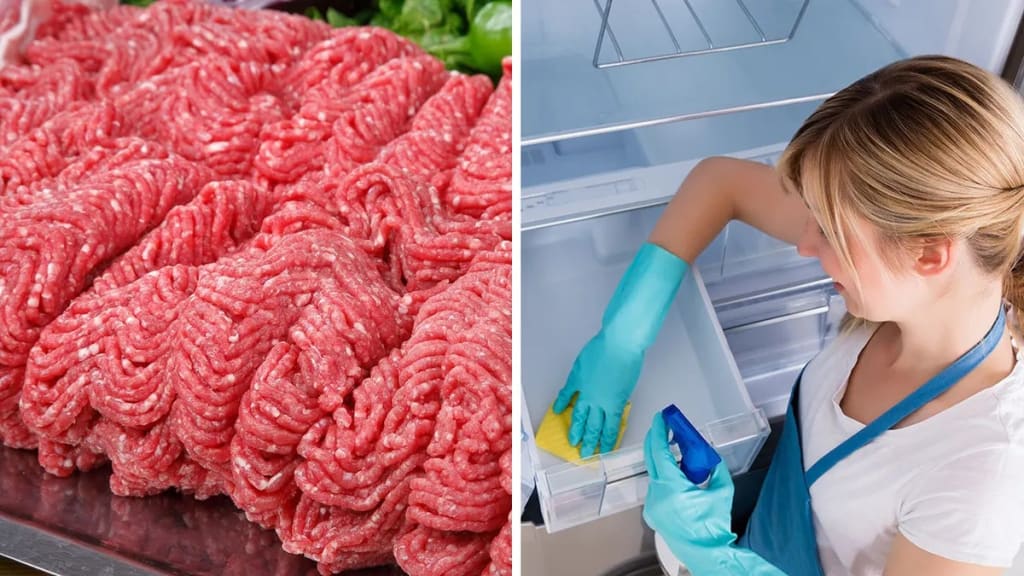
The words ground beef recalled carry a quiet panic. They appear on screens late at night, during grocery runs, or after dinner is already cooking. Food is intimate. It enters our bodies. It feeds our children. When something so ordinary becomes a risk, it shakes trust in ways people do not expect. A recall is not just a notice. It is a moment of doubt. Did I buy this? Did I already eat it? Is my family safe? This article looks closely at why ground beef recalls happen, how they affect everyday life, and what they reveal about the fragile relationship between people and the systems that feed them. This is not about alarm. It is about awareness, care, and responsibility.
Why Ground Beef Is So Sensitive
Ground beef is everywhere.
It sits in freezers, fast food kitchens, school cafeterias, and home fridges. It is affordable, familiar, and deeply woven into daily meals.
Because it is ground, it carries higher risk than whole cuts of meat. Bacteria on the surface can spread throughout during processing. One small mistake can affect thousands of packages.
This is why the phrase ground beef recalled appears more often than people would like. It is not coincidence. It is chemistry, handling, and scale.
What a Ground Beef Recall Really Means
A recall does not always mean people are already sick.
Sometimes it is preventative. Sometimes contamination is suspected, not confirmed. Sometimes labeling errors trigger it.
Still, the emotional response is the same. Fear comes first. Clarity comes later.
When ground beef is recalled, companies are required to identify specific batches, dates, and locations. This precision matters. Not all ground beef is affected, even if headlines feel broad.
Understanding this difference can reduce unnecessary panic.
Common Reasons Ground Beef Gets Recalled
Bacterial Contamination
The most common reason is harmful bacteria. These organisms are invisible and unforgiving.
They can survive cold storage. They can spread during grinding. If meat is undercooked, they can cause serious illness.
This is why cooking temperature matters so much with ground beef.
Processing and Handling Errors
Mistakes happen in facilities. Equipment may not be cleaned properly. Meat from different sources may mix incorrectly.
Large-scale production increases risk. When one line has an issue, thousands of pounds can be affected.
This is the cost of feeding millions quickly.
Labeling Problems
Sometimes the meat itself is safe, but the label is wrong.
Missing allergen warnings or incorrect dates can still trigger a recall. Even small errors can have serious consequences for vulnerable people.
A recall in these cases is about caution, not danger.
How Recalls Are Discovered
Recalls usually begin quietly.
A test sample fails. A consumer reports illness. A routine inspection raises concern.
From there, tracing begins. Investigators follow the supply chain backward. They look for where contamination may have occurred.
By the time the public sees ground beef recalled in headlines, the process has often been underway for days or weeks.
This delay can make the news feel sudden, even though it was not.
The Emotional Impact on Families
Food recalls hit families hard.
Parents worry about meals already eaten. Older adults fear symptoms they might miss. People with limited income fear wasted money.
Throwing away food feels wrong when budgets are tight. Yet keeping it feels dangerous.
This emotional conflict is rarely discussed, but it matters. Food safety decisions are not made in calm conditions.
Trust and the Grocery Store
A grocery store feels safe. Clean aisles. Bright lights. Familiar brands.
A recall cracks that sense of safety.
People begin to question where food comes from. They read labels more closely. Some stop buying ground beef altogether, at least for a while.
Trust, once shaken, takes time to rebuild.
What Happens to Recalled Ground Beef
Recalled meat is not quietly resold.
It is removed from shelves, warehouses, and distribution centers. It is destroyed or handled according to safety rules.
This process is expensive. It affects farmers, processors, retailers, and workers.
While consumers feel fear, companies feel loss. Both sides are impacted by the same failure.
The Role of Government Oversight
Food safety agencies exist to protect the public.
They set standards, inspect facilities, and issue recall notices. Their work is often invisible until something goes wrong.
When ground beef recalled notices appear, it means oversight systems are functioning, even if imperfectly.
No system catches everything early. The goal is reduction of harm, not perfection.
Why Recalls Still Happen Despite Regulations
Regulations cannot eliminate human error.
They also cannot fully control bacteria that exist naturally in animals and environments.
As production scales grow larger, risk concentrates. One failure affects more people than it would in smaller systems.
This is the trade-off modern food systems live with daily.
How Consumers Usually Learn About Recalls
Many people learn about recalls too late.
They see a post online. They hear it on the radio. Sometimes they only know after checking their freezer.
Not everyone follows food safety alerts. Not everyone has time or access.
This gap in communication is one reason ground beef recalled stories cause anxiety. People fear they missed something important.
The Problem With Vague Headlines
Headlines often lack detail.
They say ground beef recalled without specifying brands, regions, or dates. This creates confusion.
People assume all ground beef is unsafe. Panic spreads faster than information.
Clear communication matters. Precision calms fear.
What People Should Do When Ground Beef Is Recalled
First, check details carefully.
Look at packaging dates, lot numbers, and purchase locations. Do not rely on memory alone.
If the product matches, do not consume it. Disposal instructions vary, but safety comes first.
If symptoms appear, medical attention should be sought. Early care matters.
Cooking and Safety Myths
Some believe cooking always makes recalled meat safe.
This is not always true. While proper cooking reduces risk, some recalls involve toxins or other hazards not eliminated by heat.
This is why recalled meat should not be eaten, even if cooked thoroughly.
The Financial Cost of Recalls to Households
Food waste hurts financially.
Ground beef is a staple for many families. Losing several pounds at once can strain budgets.
Some stores offer refunds during recalls. Others require proof of purchase that people no longer have.
This adds frustration to fear.
How Recalls Affect Farmers and Workers
Behind every recall are people whose livelihoods are affected.
Farmers may lose contracts. Plant workers may face shutdowns. Drivers may lose routes.
While safety comes first, the ripple effects are real and painful.
Understanding this does not excuse failure. It adds depth to the story.
Media Coverage and Public Perception
Media plays a powerful role.
Responsible coverage informs without alarming. Poor coverage amplifies fear.
Repeated use of phrases like ground beef recalled without context keeps anxiety alive longer than necessary.
Balanced reporting helps people act wisely instead of emotionally.
Why Ground Beef Gets More Attention Than Other Foods
Meat carries symbolic weight.
It is associated with strength, tradition, and family meals. When it becomes unsafe, it feels like a personal violation.
Vegetable recalls happen too, but they do not carry the same emotional charge.
Ground beef sits at the center of comfort food. That makes recalls feel personal.
Cultural Differences in Food Trust
Some cultures rely less on processed meat.
Others depend heavily on ground beef for affordable protein.
Recalls affect communities differently based on diet, access, and income.
Understanding this helps explain why reactions vary so widely.
Children and Food Safety Fear
Parents often react strongest.
They worry about lunches packed days ago. Dinners already eaten. Symptoms children cannot describe well.
This fear is not irrational. Children are more vulnerable to foodborne illness.
Clear guidance helps parents regain calm.
The Long-Term Impact on Eating Habits
After a recall, habits shift.
Some people switch to whole cuts. Others choose plant-based meals temporarily.
Some cook more carefully. Others eat out less.
These changes reflect a search for control after uncertainty.
Transparency as a Path to Trust
Honest communication rebuilds trust.
When companies admit mistakes clearly and quickly, consumers respond better.
Silence or defensiveness deepens suspicion.
In food safety, humility matters.
Learning From Past Recalls
Each recall offers lessons.
Improved sanitation. Better testing. Clearer labeling.
Progress is often invisible, built on past failures.
The goal is fewer recalls over time, not denial that risk exists.
Why This Topic Keeps Trending
Ground beef recalled trends because it touches daily life.
It is not abstract. It is dinner.
People search because they care. Because they are scared. Because they want reassurance.
This constant attention reflects deep reliance on systems we rarely see.
Balancing Awareness Without Fear
Awareness does not require panic.
Most ground beef is safe. Millions of meals are eaten daily without issue.
Recalls are alerts, not verdicts on all food.
Keeping this balance protects mental health as much as physical health.
What Ground Beef Recalls Reveal About Modern Life
They reveal scale.
They reveal dependence.
They reveal how fragile trust can be.
Food connects bodies to systems. When those systems fail, the connection becomes visible.
Final Thoughts
The phrase ground beef recalled carries weight because food is personal. It enters homes quietly and becomes part of life. When safety is questioned, fear follows quickly.
Understanding how recalls work, why they happen, and what they mean helps replace panic with clarity. Awareness does not eliminate risk, but it restores control.
Food safety is a shared responsibility between producers, regulators, and consumers. Careful attention, honest communication, and calm response keep that relationship intact.
In the end, this is not just about meat. It is about trust, care, and the simple hope that what we feed our families will nourish, not harm.
About the Creator
Muqadas khan
Hi! Welcome to my Vocal page. I’ll be sharing fresh articles every day covering stories, ideas, and a bit of inspiration to brighten your feed. Thanks for reading and supporting daily writing! 📖💫
Keep reading
More stories from Muqadas khan and writers in FYI and other communities.
Manus: The Quiet Power of the Human Hand Through History
The word manus feels small, almost forgotten, yet it carries centuries of meaning. It comes from Latin, meaning hand, but its story stretches far beyond language. The hand is where thought meets action. It is how we create, protect, greet, and grieve. Long before machines or screens, the hand shaped the world. When people search for manus, they are often looking for more than a definition. They are reaching for connection, history, and understanding. This article explores manus as an idea, a symbol, and a lived experience. It looks at how the human hand has shaped culture, law, art, and identity, and why this ancient concept still matters today.
By Muqadas khan18 days ago in FYI
We Shall Never Surrender: The Speech That Turned Britain’s Darkest Hour Into Defiance
There are speeches that explain history, and then there are speeches that intervene in it. On June 4, 1940, Winston Churchill delivered one of the most consequential addresses ever spoken inside the House of Commons. Britain had just pulled off the miracle of Dunkirk—an evacuation that saved more than 330,000 Allied troops from annihilation. But make no mistake: this was not a victory. France was collapsing. Nazi Germany looked unstoppable. Invasion felt inevitable.
By Lawrence Lease7 days ago in FYI
Wild Card Weekend Recap: What Happens Now?
I think I figured out why I love Wild Card Weekend so much. It's because it's the first playoff anything of the calendar year. The NFL season starts in the fall, and once upon a time, the champion was crowned either on or slightly before New Year's. The evolution of the NFL schedule has resulted in the playoffs starting just into the New Year, and currently, the final week of the season falls on the first weekend of the New Year, with Wild Card Weekend coming a week after that. So yes, chronologically, the NFL's Wild Card Weekend serves as the first playoff anything of the calendar year.
By Clyde E. Dawkins6 days ago in Unbalanced



Comments
There are no comments for this story
Be the first to respond and start the conversation.