
We Shall Never Surrender: The Speech That Turned Britain’s Darkest Hour Into Defiance
How Winston Churchill’s 1940 address transformed retreat into resolve and set the tone for a nation fighting for survival

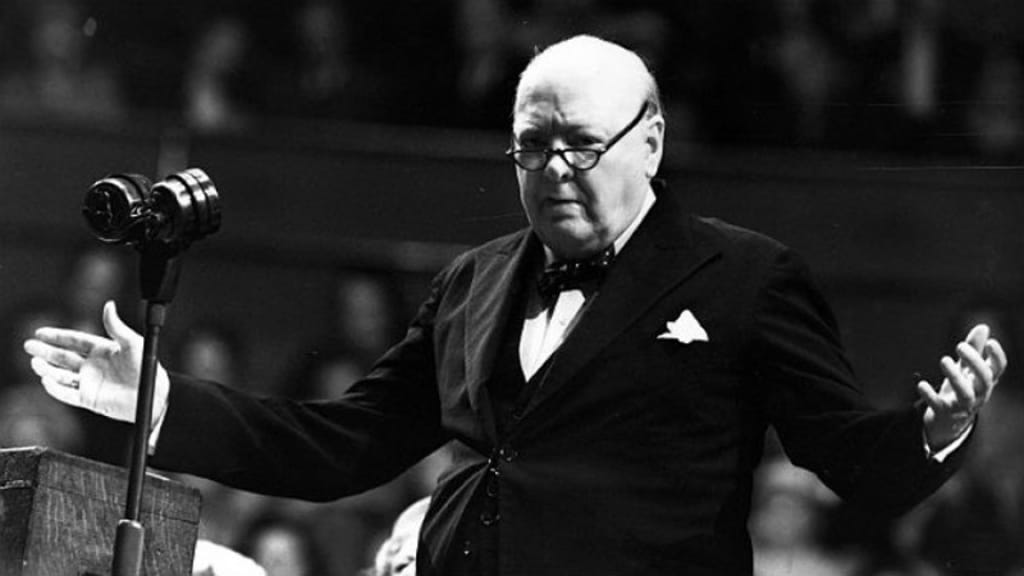
There are speeches that explain history, and then there are speeches that intervene in it.
On June 4, 1940, Winston Churchill delivered one of the most consequential addresses ever spoken inside the House of Commons. Britain had just pulled off the miracle of Dunkirk—an evacuation that saved more than 330,000 Allied troops from annihilation. But make no mistake: this was not a victory. France was collapsing. Nazi Germany looked unstoppable. Invasion felt inevitable.
This was the moment when nations usually soften their language. When leaders hedge. When they prepare the public for compromise.
Churchill did the opposite.
He drew a line in the sand—and then dared history to cross it.
Dunkirk Was Survival, Not Triumph
Churchill understood something crucial that day: Dunkirk could easily be misread. The evacuation was being hailed as a success, but Churchill knew the truth. Armies don’t win wars by retreating across the sea. Britain had lost equipment, territory, and allies. The Channel was all that remained between the island and Hitler’s war machine.
So before he ever reached the famous lines, Churchill reset expectations. He warned that wars are not won by evacuations. He refused to let optimism turn into complacency. This wasn’t morale management—it was moral clarity.
And then came the pivot.
The Power of Repetition as Defiance
“We shall fight on the beaches…”
The genius of the speech isn’t just what Churchill said—it’s how relentlessly he said it.
Each repetition widened the battlefield:
The beaches
The landing grounds
The fields and the streets
The hills
This wasn’t poetry for poetry’s sake. It was strategy. Churchill was telling the British people that there would be no single front, no decisive line where defeat could be declared. If the enemy came, resistance would exist everywhere. In every village. Every road. Every inch of ground.
And then the line that sealed it:
“We shall never surrender.”
Not “we hope.”
Not “we intend.”
Never.
In 1940, that wasn’t rhetoric. That was a promise with terrifying consequences.
Why This Speech Still Matters
Churchill’s address didn’t just rally Britain—it redefined leadership under existential threat.
He didn’t deny reality.
He didn’t sugarcoat danger.
He didn’t promise safety.
What he promised was resolve.
That distinction matters. Especially now, in an era where political language often prioritizes comfort over conviction. Churchill spoke to adults facing catastrophe. He trusted the public with the truth—and then demanded courage in response.
The speech also sent a message beyond Britain. To occupied Europe. To the United States. To anyone watching from afar. Britain was wounded, yes—but it was not broken. And it would not negotiate its survival.
The Legacy of Refusal
Churchill’s legacy isn’t built on optimism. It’s built on defiance without illusion.
The “We Shall Fight” speech endures because it captures the rare moment when words didn’t just describe resistance—they created it. When surrender was the logical option, Churchill made it morally impossible.
Britain stood alone after Dunkirk.
And because of that speech, it stood standing.
Not because victory was guaranteed—but because surrender was taken off the table.
When Words Became a Weapon
What makes the “We Shall Fight” speech so enduring is that it transformed language into a form of national defense. Britain’s military strength in June 1940 was uncertain. Its alliances were fraying. Its future was anything but secure. But in that moment, Churchill ensured one thing was undeniable: Britain’s will was intact.
That mattered more than tanks or planes. Morale is contagious, and despair spreads faster than bombs. By publicly committing the nation to total resistance, Churchill removed the psychological escape hatch. There would be no quiet acceptance of defeat, no gradual normalization of occupation. The fight was framed as permanent, personal, and unavoidable.
And once a people believe that surrender is impossible, history itself begins to bend around that belief.
About the Creator
Lawrence Lease
Alaska born and bred, Washington DC is my home. I'm also a freelance writer. Love politics and history.
Keep reading
More stories from Lawrence Lease and writers in FYI and other communities.
Venezuela, Greenland, and the Rules-Based Order’s Autopsy
In the immediate aftermath of the U.S. raid that captured Venezuelan president Nicolás Maduro, the global reaction split almost exactly the way you’d expect. Governments with ideological or geopolitical ties to Caracas rushed to condemn the move. Brazil’s Lula called it an “extremely dangerous precedent.” Colombia’s Petro and Chile’s outgoing president Gabriel Boric echoed the concern. Russia, without a trace of irony, warned of a “return to lawlessness.”
By Lawrence Leasea day ago in FYI
A Failed Artist, A Disillusioned Poet, An Underpaid Game Show Host
I took my son and niece to Gori, a small town in Georgia where Joseph Stalin was born. They talked me into visiting the Stalin's Museum, the largest in the post-Soviet space. I had resisted going there because I just can't stand the monster and know enough about him, or so I thought.
By Lana V Lynx6 days ago in FYI
How to Time Travel: 5 Methods According to Science
For a long time, the idea of traveling through time was tucked away in the "fiction" section of the library, right next to wizards and space monsters. But in recent years, the conversation has shifted. With mysterious "time traveler" photos popping up on the internet and physicists like Stephen Hawking weighing in, we have to ask: Is time travel actually possible?
By Areeba Umairabout 7 hours ago in FYI
Where's the Glory?
In breaking news, rehabilitated Republican Senator Johnnie Johnson (Pronouns: HE, HIM, HIS) called a press conference from the Men’s room of the New Orleans Louis Armstrong International Airport, Concourse B, across from the Ignatius Reilly’s Lucky Dog stand. The Senator had just returned from a sexual reorientation rehabilitation program in Memphis, TN after being publically disgraced at a Buckee’s Truckstop restroom soliciting sex from an undercover cop three months ago. He is a founding member of the Reformed Christians for Christ, a conservative, pro-family and ex-gay advocacy group. In the spirit of being reborn, Senator Johnson invited reporters to marvel at his plans for a major remodeling of airport bathrooms.
By Cathy Schieffelin5 days ago in Humor


Comments
There are no comments for this story
Be the first to respond and start the conversation.