
Manus: The Quiet Power of the Human Hand Through History
The word manus feels small, almost forgotten, yet it carries centuries of meaning. It comes from Latin, meaning hand, but its story stretches far beyond language.

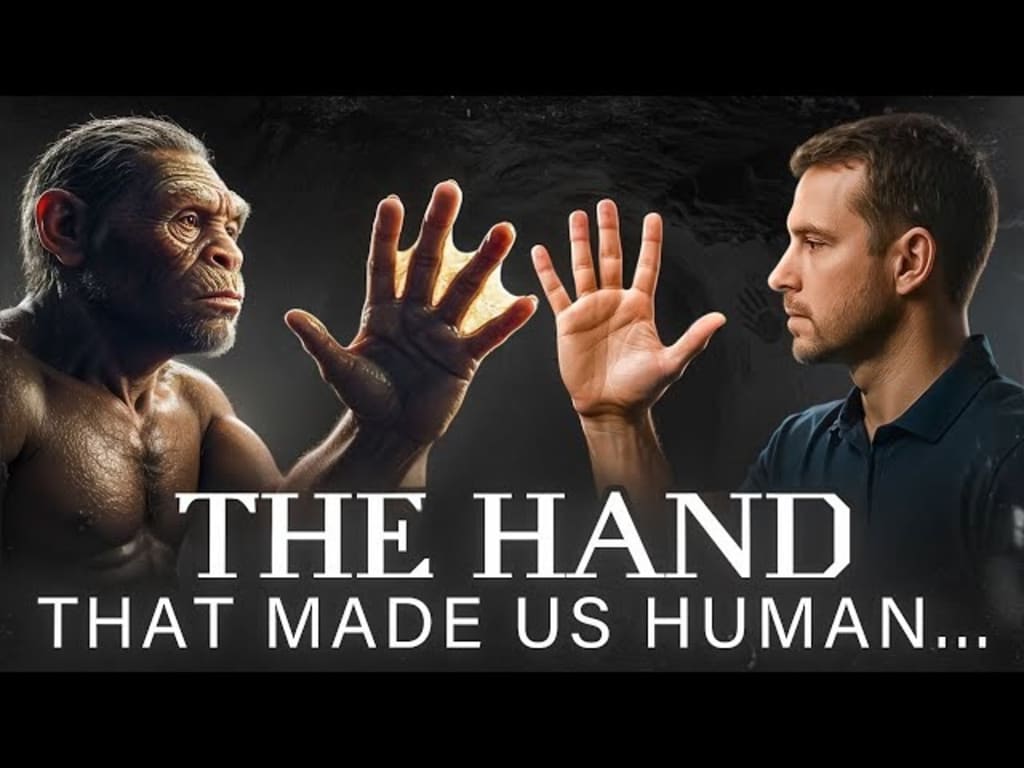
The word manus feels small, almost forgotten, yet it carries centuries of meaning. It comes from Latin, meaning hand, but its story stretches far beyond language. The hand is where thought meets action. It is how we create, protect, greet, and grieve. Long before machines or screens, the hand shaped the world. When people search for manus, they are often looking for more than a definition. They are reaching for connection, history, and understanding. This article explores manus as an idea, a symbol, and a lived experience. It looks at how the human hand has shaped culture, law, art, and identity, and why this ancient concept still matters today.
What Manus Really Means
At its core, manus is the Latin word for hand. Simple, direct, physical.
But in ancient societies, a hand was never just a body part. It represented control, care, labor, and responsibility. To place something in another’s hand was to trust them. To raise a hand was to claim authority or ask for mercy.
Language preserved this meaning. Even today, many words and ideas trace back to manus. Manual work. Manufacture. Manuscript. These are reminders that hands once did everything.
Understanding manus means understanding how humans relate to the world through touch and effort.
Manus in Ancient Roman Life
In Roman culture, manus carried legal and social weight.
Manus and Family Authority
In Roman law, manus described the power a husband held over his wife. A woman under manus became part of her husband’s family, legally and socially. Her property and duties shifted with that symbolic act.
This concept shows how deeply the hand symbolized control and belonging. To be under someone’s hand was to be under their protection and authority at the same time.
While modern values reject this structure, understanding it helps explain how power was once physically imagined.
Manus as Legal Control
Roman law used the idea of the hand to describe ownership. To hold something in your hand meant you possessed it.
This physical idea of control shaped laws around property and responsibility. Even justice was imagined as something held and guided by human hands.
The Hand as a Tool of Survival
Before tools became complex, the hand was the tool.
Early Human Life and Manus
Early humans hunted, built shelters, and prepared food using their hands. Fingers learned precision. Palms learned strength. Skin learned sensitivity.
The hand allowed humans to adapt. It turned stones into weapons and plants into meals. Manus was survival.
This connection explains why hands appear so often in early cave art. They were symbols of presence. Proof that someone was there, alive and aware.
Manus in Art and Creation
Art begins with the hand.
The Hand Behind Every Creation
Paintings, sculptures, pottery, and writing all start with manual effort. Even today, when machines assist, the original idea passes through human hands first.
The term manuscript literally means written by hand. Each page once carried the physical trace of the writer. Pressure, rhythm, and fatigue were visible in the ink.
This made every manuscript personal. The hand left its mark.
Why Handmade Objects Feel Different
A handmade object feels warmer because it carries human effort. Small imperfections remind us that a person was involved.
Manus explains this feeling. We recognize the presence of another human through touch, even across time.
Religious and Spiritual Meaning of Manus
Across cultures, the hand holds spiritual meaning.
Hands in Blessing and Prayer
Hands are raised in prayer. They are placed on shoulders in blessing. They are folded in moments of fear or hope.
These gestures are shared across religions because the hand expresses intention without words. Manus becomes a bridge between inner belief and outer action.
Sacred Hands in Symbolism
Many traditions depict divine hands reaching down, guiding, or protecting. This reflects a belief that care and power are given, not forced.
The hand becomes a symbol of gentle authority rather than domination.
Manus and Labor
Work has always been measured by hands.
Manual Work and Human Dignity
Manual labor built cities, farms, and roads. It fed families and shaped communities. Even when undervalued, it remained essential.
The word manual reminds us that work was once inseparable from the hand. Skill lived in muscle memory, not instruction books.
Respect for manus means respect for effort.
The Emotional Weight of Working Hands
Hands tell stories. Calluses, scars, and lines show years of work. They reveal age, struggle, and persistence.
Looking at someone’s hands can tell you more than their face. Manus carries history silently.
The Loss of Touch in the Modern World
As life becomes more digital, hands touch less.
Screens and Distance
Typing and swiping are still manual actions, but they lack resistance. There is no texture, no weight.
This changes how we experience effort. Many people feel disconnected from results because their hands no longer shape physical outcomes.
The idea of manus helps explain this sense of loss.
Why People Return to Crafts
Many people return to cooking, woodworking, knitting, or writing by hand to feel grounded again.
These activities restore the relationship between effort and outcome. They remind the body that it can still create.
Manus in Language and Everyday Speech
Language keeps the hand alive.
Words Born From Manus
Words like manual, manipulate, manuscript, and manicure all trace back to manus. Some carry neutral meaning. Others hint at control or care.
This shows how deeply the hand shaped thought. Even abstract ideas borrow from physical experience.
Gestures as Language
Pointing, waving, shaking hands. These gestures communicate without words.
Manus speaks even when the mouth is silent.
Hands and Human Connection
Touch builds trust.
The First Language We Learn
Before speech, babies understand hands. They feel warmth, safety, and rhythm through touch.
This early connection stays with us. A hand on the shoulder can calm anxiety faster than words.
Manus is emotional communication.
When Touch Is Absent
Isolation often includes lack of touch. People feel unseen and unsupported.
This is why simple gestures matter. They remind us that we are not alone.
Manus in Medicine and Healing
Healing often begins with hands.
The Power of Careful Touch
Doctors examine. Nurses comfort. Therapists guide movement. All through hands.
Even with advanced tools, the hand remains central. It senses tension, temperature, and pain.
Manus becomes a source of reassurance.
Why Patients Remember Touch
Patients often remember how they were touched more than what they were told. Gentle care builds trust.
This shows the emotional role of the hand in healing.
The Ethics of the Hand
Hands can help or harm.
Responsibility of Action
Because hands act, they carry responsibility. What we do with our hands reflects who we are.
Building, feeding, and comforting create connection. Hitting or destroying breaks it.
Manus represents choice.
Learning Control and Care
Teaching children how to use their hands kindly is a moral lesson. It shapes empathy and restraint.
The hand learns values through action.
Manus and Identity
Hands shape how we see ourselves.
Skills and Self-Worth
People often define themselves by what they can do with their hands. Writing, cooking, repairing, caring.
Losing the ability to use one’s hands can deeply affect identity. This shows how central manus is to self-image.
Aging and Change
As hands age, they change shape and strength. This can be emotional.
Yet older hands also carry wisdom. They have held lives together.
Why Manus Still Matters Today
Despite technology, the hand remains central.
Balance Between Mind and Hand
Thinking without doing creates distance. Doing without thinking creates harm.
Manus balances intention and action. It grounds ideas in reality.
Reclaiming the Value of Touch
Recognizing the importance of manus encourages slower, more mindful living. It reminds us to feel, not just process.
This awareness brings depth to everyday life.
Final Reflection
Manus is more than a word. It is a reminder of what it means to be human. The hand connects thought to action, care to effort, and past to present.
In a world that often values speed over presence, remembering manus helps restore balance. It asks us to notice what we hold, how we touch, and what we create.
The quiet power of the hand has shaped history. It continues to shape us, one gesture at a time.
About the Creator
Muqadas khan
Hi! Welcome to my Vocal page. I’ll be sharing fresh articles every day covering stories, ideas, and a bit of inspiration to brighten your feed. Thanks for reading and supporting daily writing! 📖💫
Keep reading
More stories from Muqadas khan and writers in FYI and other communities.
Somaliland and the Quiet Struggle for Recognition and Dignity
Somaliland is a place many people have never heard of, yet millions call it home. It exists in a space between memory and denial, stability and neglect. On maps, it is often missing. In global conversations, it is rarely mentioned. But on the ground, life continues with determination and care. This article is not about conflict headlines or political slogans. It is about people who built order after collapse, peace after violence, and hope without applause. Somaliland’s story is quiet, steady, and deeply human. To understand it is to understand how dignity can survive without permission, and how identity can remain strong even when the world refuses to say your name.
By Muqadas khan22 days ago in FYI
Aquaculture Market Size and Forecast 2025
Aquaculture Market Overview Aquaculture, also known as aquafarming, refers to the controlled cultivation of aquatic organisms such as fish, crustaceans, mollusks, seaweed, and aquatic plants. Conducted across diverse environments including freshwater ponds, coastal lagoons, offshore cages, and recirculating land-based systems, aquaculture has become one of the fastest-growing food production sectors globally. It plays a critical role in meeting the rising demand for protein-rich food while reducing pressure on overexploited wild fisheries.
By Aaina Oberoia day ago in FYI


Comments
There are no comments for this story
Be the first to respond and start the conversation.