
Finding Harmony: A King’s Vision Review Highlights an Uneven but Revealing Project
The documentary offers insight into King Charles III’s ideas on nature and music, though one surreal sequence distracts from its message.

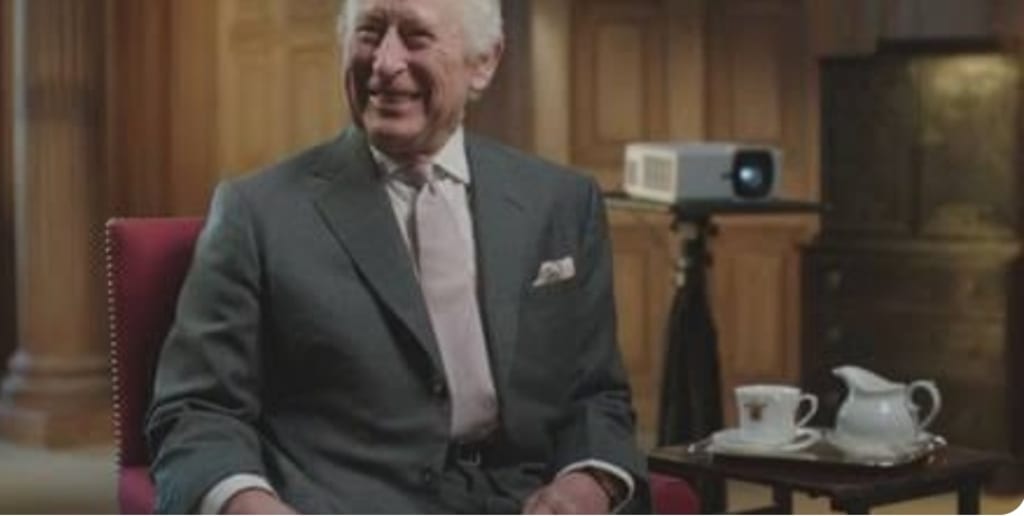
An Unusual Addition to Royal Media
Finding Harmony: A King’s Vision is an unconventional documentary that explores King Charles III’s long-standing interest in the natural world, music, and sustainability. Framed as a reflective project rather than a formal royal statement, the film attempts to connect personal philosophy with broader cultural themes.
The result is a work that is often thoughtful but occasionally uneven. While much of the documentary follows familiar territory associated with the king, one particular sequence stands out for its unexpected tone, prompting mixed reactions from viewers.
What the Film Sets Out to Do
The documentary aims to present King Charles as a cultural thinker rather than a ceremonial figure. Through narration, interviews, and visual storytelling, it links environmental concern with artistic expression. Music is positioned as a universal language that can foster understanding and balance between people and nature.
This approach reflects ideas Charles has promoted for decades. The film does not attempt to challenge these views but instead seeks to illustrate them in accessible ways.
Structure and Narrative Flow
Finding Harmony unfolds in a loosely structured format. Rather than following a clear narrative arc, the documentary moves between locations, performances, and reflective commentary.
At times, this approach allows for quiet moments of contemplation. At other points, the lack of structure makes the film feel unfocused. Viewers may find themselves unsure of where the documentary is heading or what argument it is trying to develop.
Music as a Central Theme
Music plays a central role throughout the film. Performances from various artists are woven into the narrative, often set against natural landscapes. The intention is clear: to show how sound and environment can complement one another.
These segments are among the documentary’s stronger elements. They offer moments of calm and provide space for reflection, aligning closely with the film’s stated goals.
Environmental Messaging Without Urgency
The film touches on environmental issues, including land stewardship and sustainable practices. However, it avoids urgent or confrontational language. Instead, it adopts a gentle tone that emphasizes personal responsibility and appreciation for nature.
This approach may appeal to viewers seeking reassurance rather than alarm. Others may find it lacks the depth or specificity expected in discussions of environmental challenges.
The Role of King Charles
King Charles serves as both narrator and subject. His presence is understated, and he rarely appears in a traditional authoritative role. Instead, he is presented as a guide, sharing observations and reflections.
This portrayal aligns with the film’s aim to humanize the monarch. It also limits critical engagement, as alternative perspectives are largely absent.
We
The Bizarre Moment That Breaks the Mood
Midway through the documentary, a visually stylized sequence shifts the tone abruptly. The scene combines rapid edits, layered imagery, and experimental sound design.
The effect is disorienting and has been described by some viewers as resembling a hallucinatory experience. The sequence stands in contrast to the rest of the film’s calm and measured style, raising questions about its purpose.
---
Audience Reaction to the Surreal Sequence
The unexpected nature of this moment has generated discussion. Some viewers appreciate the willingness to experiment, interpreting the scene as an attempt to visualize harmony in abstract terms.
Others find it distracting, arguing that it undermines the documentary’s credibility. The contrast between this sequence and the surrounding material is sharp enough to pull attention away from the film’s central message.
---
Style Versus Substance
Finding Harmony often prioritizes mood over analysis. Cinematography and sound design are carefully crafted, but the film offers limited new insight into its themes.
This emphasis on atmosphere may suit viewers interested in aesthetic experience. Those looking for deeper exploration of environmental or cultural issues may be left wanting more.
---
Comparisons With Other Royal Projects
Royal documentaries often aim to balance access with restraint. Compared to similar projects, Finding Harmony is more experimental in style but less direct in content.
It avoids controversy and presents a controlled narrative, which may be expected given its subject. The film’s ambition lies more in form than in argument.
---
Critical Distance and Editorial Choices
The documentary does not question its central figure or his views. This lack of critical distance limits its scope. While the film succeeds in presenting a personal vision, it does not engage with opposing perspectives or broader debates.
As a result, the documentary functions more as a portrait than an inquiry.
---
Who the Film Is For
Finding Harmony will likely appeal to viewers interested in the arts, environmental themes, and royal culture. Its calm pace and reflective tone make it suitable for audiences seeking a meditative viewing experience.
Those expecting a conventional documentary with clear conclusions may find it unsatisfying.
---
Cultural Context and Timing
Released at a time when public interest in the monarchy remains complex, the film offers a softer narrative focused on shared values rather than institutional roles.
This timing may influence how the documentary is received, particularly among audiences skeptical of royal influence in cultural conversations.
---
Conclusion
Finding Harmony: A King’s Vision is a documentary that reveals both the strengths and limitations of personal storytelling. Its focus on music and nature creates moments of quiet engagement, but its lack of structure and critical depth hold it back.
The bizarre mid-film sequence stands out as a bold but divisive choice, momentarily shifting the film into unexpected territory. Whether this enhances or detracts from the overall experience will depend on the viewer.
Ultimately, the documentary offers a glimpse into King Charles III’s worldview, presented with care but limited challenge. It is a film that invites reflection, even if it does not fully achieve harmony.
About the Creator
Saad
I’m Saad. I’m a passionate writer who loves exploring trending news topics, sharing insights, and keeping readers updated on what’s happening around the world.
Injured While Volunteering in NSW?
Getting hurt while volunteering is a weird kind of shock. Because it’s not like a normal job where everyone expects insurance paperwork and HR emails. Volunteering is supposed to be the good part of the week. Helping at the surf club. Turning up to the SES unit. Doing a Marine Rescue shift. Sausage sizzle, charity event, school fete—whatever it is.
By Dan Toombs5 days ago in FYI
📢 Raise Your Voice Thread: 02/05/2026
Our “Raise Your Voice Threads” are hosted most alternating Thursdays at 12PM ET to offer creators more avenues to uncover exceptional stories on Vocal. As we are continuously searching for fresh creators and inspiring stories, this thread provides an opportunity to exchange and discuss the stories that have moved and motivated us on Vocal.
By Raise Your Voice by Vocal3 days ago in Resources



Comments
There are no comments for this story
Be the first to respond and start the conversation.