
Everything You Need to Know About Bottled Drinking Water
Let’s break down some key facts about bottled drinking water, including how it’s produced and what makes it safe.
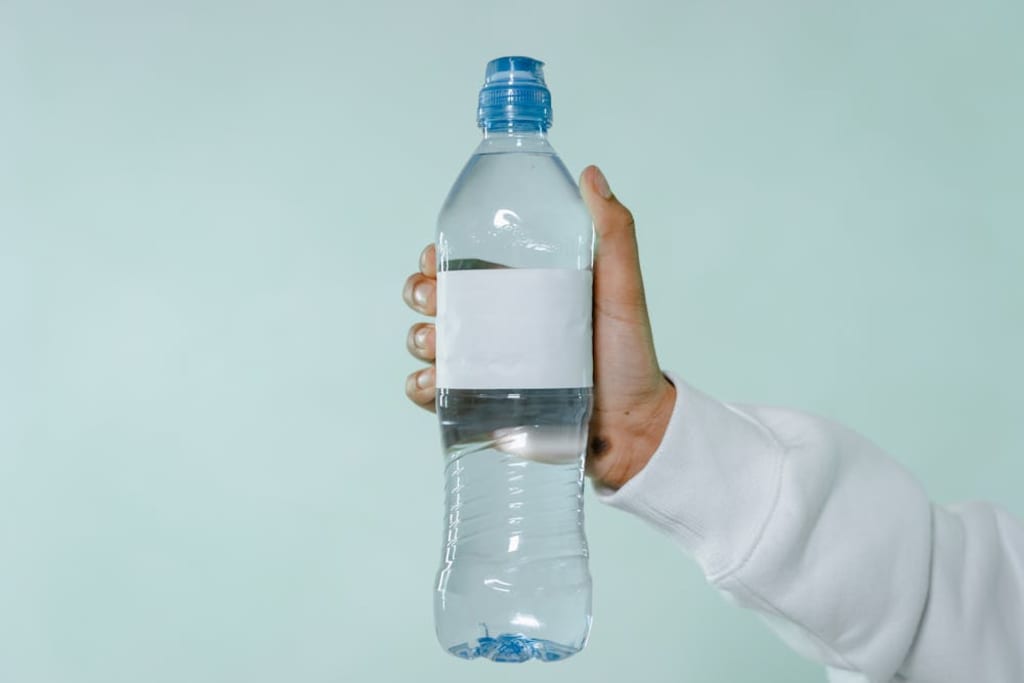
Bottled drinking water has become a staple in many people’s lives. Whether it’s for convenience, health reasons, or simply as a backup for when tap water isn’t available, it’s hard to deny its popularity.
But what do you really know about that bottle of water you just grabbed? Let’s break down some key facts about bottled drinking water, including how it’s produced and what makes it safe.
Where Does Bottled Water Come From?
Not all bottled water is the same. The source can vary widely depending on the brand and type of water. Here are the main categories:
- Spring Water: Collected from natural springs, this water often contains minerals that occur naturally from underground rock formations.
- Purified Water: This type goes through additional processing, like reverse osmosis or distillation, to remove impurities.
- Mineral Water: Bottled directly from a mineral spring, it must contain a certain level of minerals to meet regulatory requirements.
While some brands boast about sourcing their water from pristine mountain springs, others use treated municipal water. Yes, that’s right—some bottled water is essentially fancy tap water in a sleek package!
The Importance of SOP in Bottled Water Production
You’ve probably seen terms like “quality assurance” or “safety standards” plastered on bottles, but have you ever wondered what that actually means? This is where Standard Operating Procedures (SOP) come in.
SOPs are the backbone of any bottled water company. These detailed protocols ensure the product you’re drinking is safe, clean, and consistent. Here’s a quick overview of what SOPs typically cover:
- Water Sourcing: Regular testing ensures the source water is free from contaminants.
- Filtration and Purification: SOPs outline every step of the filtration process, from removing large debris to sterilizing the water.
- Packaging: Bottles and caps are sterilized, and every piece of equipment is cleaned to avoid contamination.
- Quality Testing: Samples are tested regularly to meet health and safety standards set by regulatory bodies like the FDA or WHO.
Without a solid SOP in place, there’s no guarantee the water in your bottle is truly safe. That’s why reputable brands invest heavily in following these procedures.
Is Bottled Water Safer Than Tap Water?
This is a common debate, and the answer isn’t as straightforward as you might think. Both tap water and bottled water have to meet safety standards, but the regulations can differ.
- Tap Water: In most countries, tap water is highly regulated and must undergo regular testing. However, the quality can vary depending on your location.
- Bottled Water: While bottled water is also regulated, it doesn’t always mean it’s “better.” In some cases, bottled water may contain fewer minerals than tap water, which isn’t ideal for long-term hydration.
The takeaway? If your tap water is clean and safe, it’s often just as good as bottled water. But for those on the go, bottled water is undeniably convenient.
The Environmental Impact
One of the biggest criticisms of bottled water is its environmental impact. Globally, we consume over 1 million plastic bottles per minute, and a significant portion of those end up in landfills or the ocean. Here’s why it’s a concern:
- Plastic Waste: Most bottles are made from PET plastic, which can take hundreds of years to decompose.
- Carbon Footprint: The production, transportation, and disposal of bottled water contribute to greenhouse gas emissions.
- Water Resource Depletion: Extracting water from natural sources can harm ecosystems, especially in areas already facing water scarcity.
If you’re an eco-conscious consumer, consider investing in a reusable water bottle and opting for tap water whenever possible.
How to Choose the Right Bottled Water
Not all bottled water is created equal, so here are some tips for making an informed choice:
- Check the Label: Look for details about the source and treatment process. Brands that are transparent about their practices are generally more trustworthy.
- Look for Certifications: Labels like NSF, ISO, or HACCP indicate the product meets strict safety standards.
- Avoid Misleading Terms: Words like “pure” or “natural” can be vague. Focus on facts, not marketing buzzwords.
- Be Mindful of Minerals: If you’re looking for water with added health benefits, choose one labeled as mineral water or electrolyte water.
The Rise of Sustainable Bottled Water
In response to growing environmental concerns, some companies are adopting more sustainable practices. For instance:
- Biodegradable Bottles: Made from plant-based materials, these bottles break down faster than traditional plastic.
- Recycled Plastic: Many brands are now using recycled PET (rPET) for their packaging.
- Local Sourcing: By sourcing water closer to their bottling plants, companies can reduce their transportation-related carbon footprint.
Supporting these brands can make a small but meaningful difference.
Myths About Bottled Water
Let’s debunk a few common myths:
- “Bottled water is always healthier.” Not necessarily. Tap water often contains beneficial minerals that some bottled waters lack.
- “All plastic bottles are BPA-free.” While most brands now use BPA-free plastics, it’s not universal. Always check the label if this concerns you.
- “Expensive water is better water.” Price doesn’t always reflect quality. Some budget-friendly brands offer water that’s just as good as premium options.
Final Thoughts
Bottled drinking water is a convenient solution, especially when clean tap water isn’t accessible. However, it’s important to understand what you’re paying for—whether it’s the source, the treatment process, or just the convenience.
By being an informed consumer, you can make choices that align with your health, budget, and environmental values.
So, the next time you pick up a bottle of water, you’ll know exactly what goes into it—and why it matters. Cheers to staying hydrated!
About the Creator
Keep reading
More stories from Febrian Whello and writers in FYI and other communities.
How to Cook the Perfect Juicy Steak?
Cooking a perfectly juicy steak at home can seem intimidating, but with the right techniques, you can achieve restaurant-quality results in your own kitchen. Whether you prefer your steak rare, medium, or well-done, the key to a delicious steak lies in the preparation, cooking method, and finishing touches. Here's a step-by-step guide to help you cook the perfect juicy steak.
By Febrian Whelloabout a year ago in FYI
Virginia was once a mega-state until it gave up most of its land
The year 2026 marks the 250th anniversary of the Declaration of Independence. According to Cardinal News, Virginia was originally much larger than it is today. Virginia came out of the Revolutionary War much smaller than it was when it went in.
By Margaret Minnicks5 days ago in FYI




Comments
There are no comments for this story
Be the first to respond and start the conversation.