
How to Cook the Perfect Juicy Steak?
Cooking a perfectly juicy steak at home can seem intimidating, but with the right techniques, you can achieve restaurant-quality results in your own kitchen
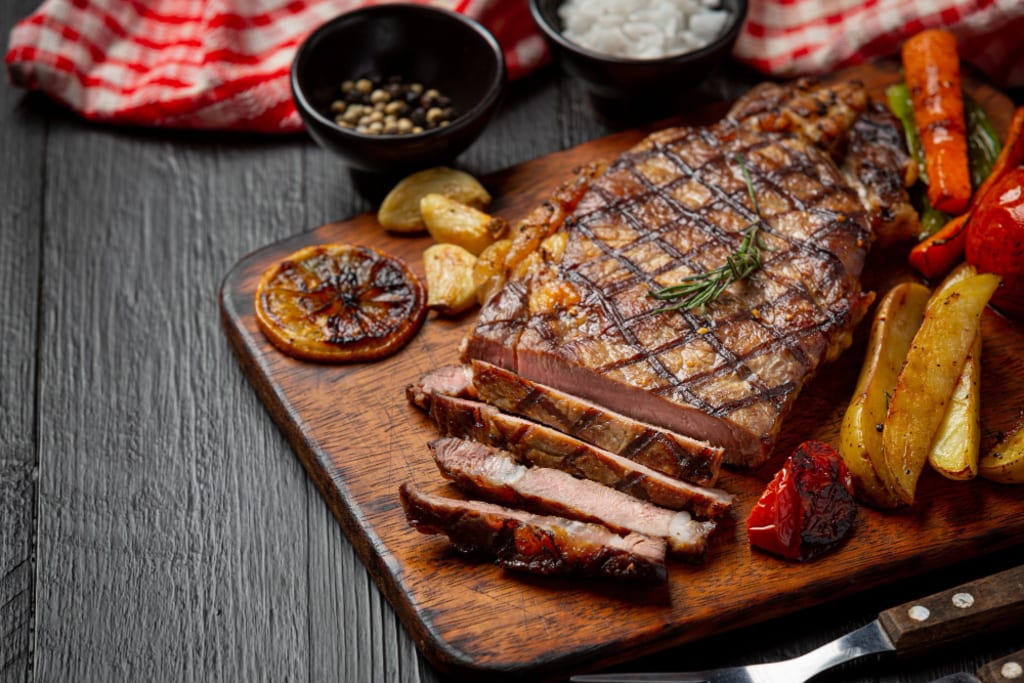
Cooking a perfectly juicy steak at home can seem intimidating, but with the right techniques, you can achieve restaurant-quality results in your own kitchen. Whether you prefer your steak rare, medium, or well-done, the key to a delicious steak lies in the preparation, cooking method, and finishing touches. Here's a step-by-step guide to help you cook the perfect juicy steak.
1. Choosing the Right Cut of Steak
The first step in cooking a perfect steak is choosing the right cut. Different cuts offer different flavors and textures, so it's important to pick one that suits your taste.
Ribeye: Known for its marbling and rich flavor, ribeye is a great choice for those who enjoy a tender and juicy steak.
Tenderloin (Filet Mignon): This cut is the most tender and has a mild flavor, making it perfect for those who prefer a softer texture.
Sirloin: Sirloin is a leaner cut with a robust flavor. It’s slightly firmer than ribeye but still delivers a satisfying bite.
T-Bone/Porterhouse: These cuts offer a combination of tenderloin and strip steak, giving you the best of both worlds.
2. Prepping the Steak
Proper preparation is crucial to ensure your steak turns out juicy and flavorful.
Bringing the Steak to Room Temperature: Before cooking, allow the steak to come to room temperature for about 30 minutes. This helps the steak cook more evenly.
Seasoning: A simple seasoning of salt and pepper is all you need to enhance the steak's natural flavors. Be generous with the salt, as it helps form a delicious crust. You can also add garlic powder, paprika, or a sprig of rosemary for extra flavor.
Patting the Steak Dry: Use paper towels to pat the steak dry before seasoning. Removing excess moisture ensures a good sear, which is key to locking in the juices.
3. Cooking the Steak
The cooking method you choose plays a significant role in the final texture and juiciness of the steak.
Pan-Searing: This is one of the most popular methods for cooking steak at home. Use a cast-iron skillet or heavy-bottomed pan for the best results. Heat the pan over high heat until it’s smoking hot, then add a small amount of oil. Place the steak in the pan and cook it without moving for 2-4 minutes on each side, depending on your preferred level of doneness.
Grilling: Grilling is another great way to cook a steak, especially if you enjoy a smoky flavor. Preheat your grill to high heat and sear the steak for 2-4 minutes on each side. If your steak is thicker, move it to a cooler part of the grill and close the lid to finish cooking.
Sous-Vide: For those who prefer precise control over doneness, sous-vide is an excellent method. The steak is vacuum-sealed and cooked in a water bath at a precise temperature before being quickly seared in a hot pan for a beautiful crust.
4. Checking Doneness
Knowing how to check the doneness of your steak is crucial to achieving the perfect level of juiciness.
Use a Meat Thermometer: The most accurate way to check doneness is by using a meat thermometer. For rare, the internal temperature should be around 120-125°F (49-52°C), for medium-rare 130-135°F (54-57°C), for medium 140-145°F (60-63°C), and for well-done 160°F (71°C) or higher.
Touch Test: If you don’t have a thermometer, you can use the touch test. Lightly press the center of the steak with your finger. A rare steak will feel soft and squishy, while a well-done steak will feel firm.
5. Resting and Serving the Steak
After cooking, it’s essential to let your steak rest before serving.
Resting: Rest the steak for 5-10 minutes after cooking to allow the juices to redistribute throughout the meat. This step is crucial for ensuring every bite is juicy and flavorful.
Slicing: When slicing your steak, cut against the grain. This shortens the muscle fibers and makes the steak more tender.
About the Creator
Keep reading
More stories from Febrian Whello and writers in FYI and other communities.



Comments
There are no comments for this story
Be the first to respond and start the conversation.