
Deadly Kissing Bugs Reported in 32 States
Read to see if deadly kissing bugs are in your state.

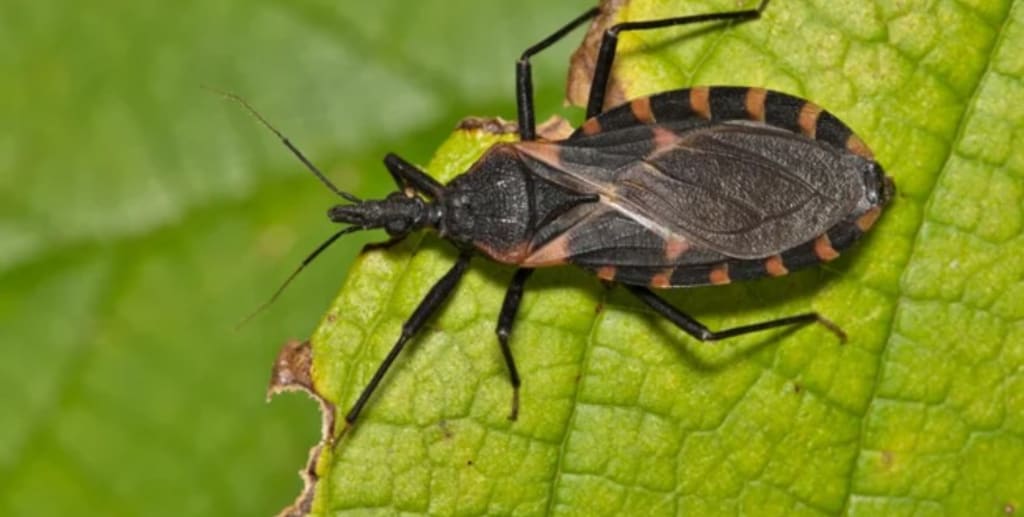
The Centers for Disease Control and Prevention (CDC) reported that the triatomine insect, called the “kissing bug,” has been found in 32 U.S. states to date, primarily across the southern half of the country, according to a literature review published this month in the Centers for Disease Control and Prevention’s Emerging Infectious Diseases Journal.
See the map, which includes the states where the kissing bugs are and where deadly infections have been reported.
California has reported 45,000 people in Los Angeles County may be infected with Chagas disease, which is spread through the “kissing bug.” Thousands of people could already be infected without knowing it.
According to research, the disease might not have been reported. However, infections have been reported in people in eight states:
- Arizona
- Arkansas
- California
- Louisiana
- Mississippi
- Missouri
- Tennessee
- Texas
What the Kissing Bug Does

The kissing bug is known to bite people on their faces. Once the insect bites people, they defecate and deposit a parasite called T. cruzi onto the skin. The infection develops after the bite begins to itch. The damage is done when people scratch the spot that is itching. That's how the parasite gets into the person’s bloodstream.
About Chagas Disease
Chagas disease is caused by the Trypanosoma cruzi parasite that lives in a dozen species of bloodsucking insects called Triatomine bugs, more commonly known as “kissing bugs.” Up to half of kissing bugs carry the disease, which the World Health Organization estimates annually kills 10,000 people worldwide.
The disease can lie dormant for years. That means not all cases are readily reported, and some are not reported at all. Not everyone is aware that they have the disease caused by the kissing bug. They might think a harmless mosquito had bitten them. They might not think it was something more serious until they begin to experience symptoms or have serious conditions.
Chagas often only makes itself known when victims suffer cardiac issues, including heart attacks or strokes. It can cause acute reactions, including swollen limbs, eyes, and anaphylaxis, though its longer-term effects are much more dangerous.
Symptoms of Chagas disease
One of the key signs of the disease is severe swelling of the eyelids. Infected people can experience common symptoms including fever, fatigue, body aches, headache, loss of appetite, diarrhea, and vomiting. Seek medical attention immediately if you or your children experience these symptoms.
More chronic symptoms
Those who are infected could also experience more chronic symptoms. Between 20% and 30% of people who contract Chagas disease could develop serious heart or digestive problems, risk getting an enlarged heart, colon, or esophagus, or risk heart failure or cardiac arrest, according to the CDC.
An endemic
The Centers for Disease Control is urging authorities to reclassify Chagas disease as "endemic” in the United States and Latin America in the hope of increasing awareness and enabling more people to receive timely treatment. An endemic is defined as having a "constant presence and/or usual prevalence in a population within a specific geographic area.”
Things to Keep in Mind
- Don't take a bite on your face lightly.
- Check your young children when they return from playing outside in the yard or woods.
- Seek medical attention immediately if you have been bitten on your face by the kissing bug.
- Pass this information on to family members, friends, and other people, especially hikers and those who work outdoors.
- Feel free to comment on this article, especially if you reside in one of the 32 states where kissing bugs have been spotted, and if you reside in one of the eight states where infections have been reported.
About the Creator
Margaret Minnicks
Margaret Minnicks has a bachelor's degree in English. She is an ordained minister with two master's degrees in theology and Christian education. She has been an online writer for over 15 years. Thanks for reading and sending TIPS her way.
Keep reading
More stories from Margaret Minnicks and writers in FYI and other communities.




Comments
There are no comments for this story
Be the first to respond and start the conversation.