
Daylight Saving Time 2025
This is a reminder to "fall back" on November 2.

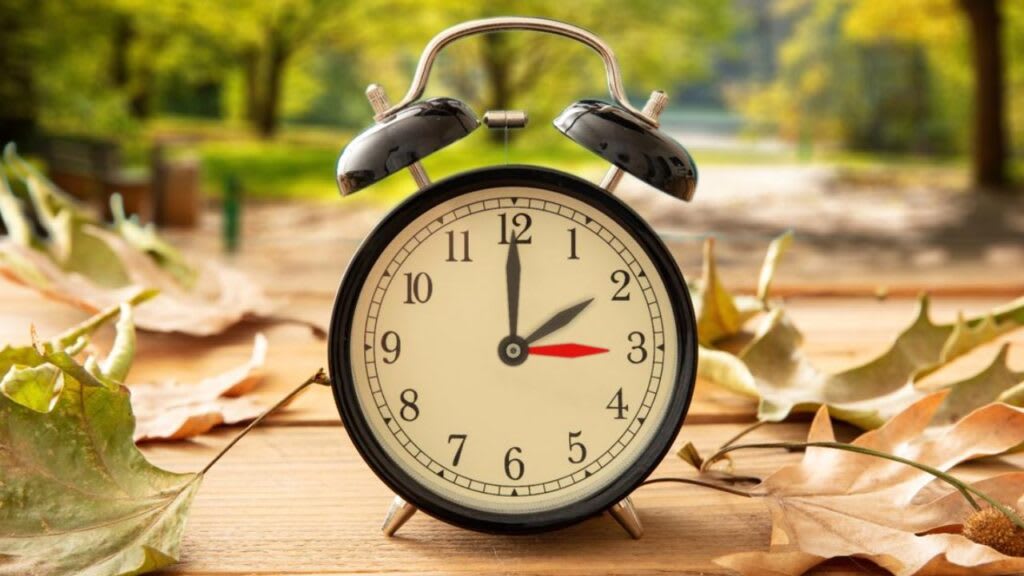
We sprang forward last spring on Sunday, March 9, 2025. Now, it's time to fall back if you live in North America. Daylight Saving Time (DST) will officially change on Sunday, November 2, 2025, when we "fall back" one hour. This means earlier sunrises, earlier sunsets, and a gentle shift will be in our daily rhythms.

A reminder to fall back
As the seasons turn and the leaves whisper their golden farewell, we prepare for a quiet shift in time as Daylight Saving Time ends. This annual adjustment invites us to embrace more morning light and earlier evenings. It’s a subtle nudge from nature to slow down, reflect, and prepare for the hush of winter
Things to do

Here are a few things to do to help you and your household ease into the change:
- Adjust sleep routines gradually: If you’re sensitive to time shifts, begin adjusting your bedtime and wake-up time by 10–15 minutes each day leading up to November 2. This is especially helpful for children and older adults.
- Set timepieces: Set your clock back an hour before going to bed on Saturday night.
- Honor the morning light: The sun will rise earlier. Let the light guide you into the day.
- Pay attention to the changes: Timepieces are not the only things that will change in and around you. Your body will need an adjustment period to the new setting on your clock.
- Update your devices: Most smartphones and computers will update automatically, but double-check clocks on ovens, wall units, cars, and your watches.
- Embrace the change: Let this time be an invitation and opportunity to make changes in your life.
- Don't waste the hour: Don't waste that extra hour by sleeping. Use it to do something exceptional.
- Try to think positively: There is no need to complain about the time change. This has been ongoing for decades, with no end in sight for the tradition. Therefore, enjoy whatever you can during the new time.
- Take advantage of daylight: With longer daylight hours, there will be more time to run errands and take care of business during the day. This is especially good for individuals who suffer from night blindness.
- Nothing we can do about the time change: The time begins again on March 8, 2026. Until then, we will fall back because there is absolutely nothing we can do about the tradition.

A Brief History of Daylight Saving Time
The time change tradition started during World War I. Benjamin Franklin proposed resetting clocks in the summer months to conserve energy. By moving clocks forward in the spring, people could take advantage of the extra evening daylight rather than wasting energy on lighting. In the fall, clocks were turned back an hour.
Earth's involvement
Not all countries observe the time changes twice a year. Fewer than 40% of the world's countries observe daylight saving time, according to timeanddate.com. However, those who do observe DST take advantage of the earth's involvement.

The days start to get longer as the earth moves from winter to spring and summer, with the longest day of the year on the summer solstice. During the summer season in each hemisphere, the earth revolves around its axis at an angle, is tilted directly toward the sun. To keep up with the earth's involvement, people set their timepieces forward in the spring and backward in the fall.
Questions
- Do you want the tradition to remain as it is by springing forward and falling back?
- Do you want the time to stay the same all year long?
About the Creator
Margaret Minnicks
Margaret Minnicks has a bachelor's degree in English. She is an ordained minister with two master's degrees in theology and Christian education. She has been an online writer for over 15 years. Thanks for reading and sending TIPS her way.
Reader insights
Nice work
Very well written. Keep up the good work!
Top insights
Easy to read and follow
Well-structured & engaging content
On-point and relevant
Writing reflected the title & theme
Keep reading
More stories from Margaret Minnicks and writers in FYI and other communities.


Comments (1)
OMG i almost forgot about this. I work at 6am so this will definitely be brutal.