
"Crows and Ravens: The Brains Behind the Beak"
"They recognize faces, solve puzzles, and even hold grudges—crows and ravens are not just birds, they are feathered geniuses."

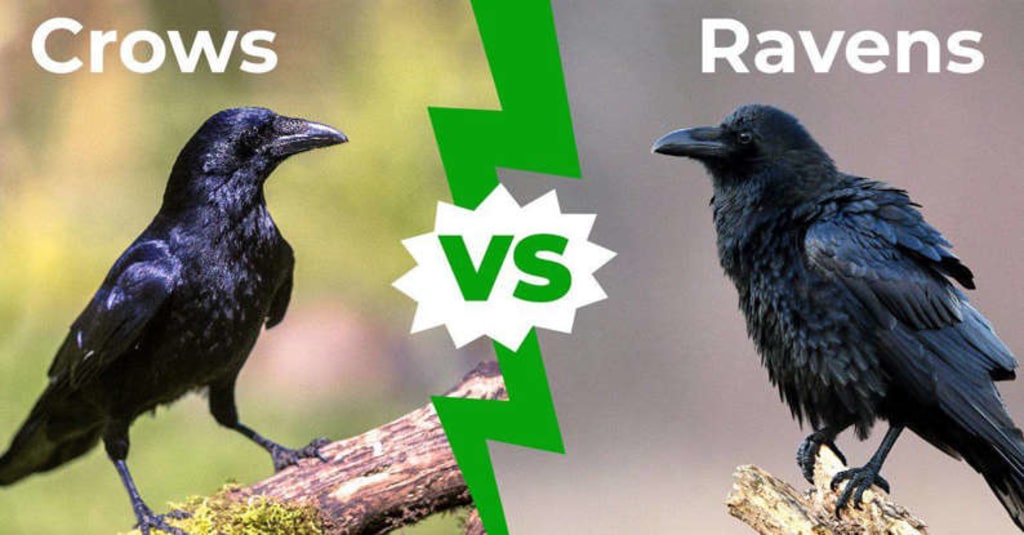
When we think of intelligent creatures, our minds often jump to dolphins, primates, or elephants. But few people realize that some of the smartest minds in the animal kingdom are flying right above us—crows and ravens. These black-feathered birds, often misunderstood or associated with darkness and death in folklore, are actually incredibly clever, emotionally complex, and socially advanced.
The Corvid Family
Crows and ravens are part of the corvid family, which also includes magpies, jays, and rooks. Among them, crows and ravens stand out for their extraordinary intelligence. Researchers around the world have been stunned by their ability to solve puzzles, use tools, and even communicate in complex ways.
A Brain Built for Brilliance
Despite having small heads, these birds have large brains relative to their body size—comparable to that of great apes. Their neocortex (the thinking part of the brain in mammals) is replaced by a structure called the nidopallium in birds, and in crows, it's extremely developed. This allows them to exhibit behaviors that mirror problem-solving skills in humans.
They can plan ahead, understand cause and effect, and even delay gratification—a skill not all children have mastered.
Tool Use and Problem Solving
One of the most remarkable abilities of crows is their use of tools. In the wild, New Caledonian crows have been observed shaping sticks to extract insects from tree bark or crevices. In laboratory settings, they've completed multi-step puzzles involving water displacement, hook-making, and sequence-solving—feats once thought unique to primates.
One famous experiment involved a crow named Betty, who bent a wire into a hook to retrieve food from a tube. This level of spontaneous innovation shocked scientists and challenged long-standing beliefs about animal cognition.
Face Recognition and Memory
Crows are not just smart—they have incredible memories. In one long-term study, researchers who had trapped and tagged crows wore masks while handling the birds. Years later, those same masks were worn again on campus—and the crows remembered. They screamed, mobbed, and even taught other crows to avoid those faces.
This suggests that crows not only recognize human faces but also pass knowledge across generations. In essence, they “warn” their community about threats, much like humans do.
Social Structure and Emotions
Crows and ravens have complex social lives. They form tight family groups, mourn their dead, and are known to bring gifts to humans who treat them well. There are documented cases of crows leaving shiny objects like coins, buttons, or earrings for people who regularly feed them.
Even more fascinating, they are capable of holding grudges. Crows have been seen retaliating against individuals or animals that wronged them—even years later. This emotional memory hints at a depth of feeling that many people assume only mammals possess.
Communication and Culture
These birds don’t just caw aimlessly. Crows and ravens have a range of vocalizations, and even regional “dialects.” They can mimic sounds, call to alert others of danger, and modify their calls depending on the situation.
Some scientists argue that crows have culture—a set of learned behaviors passed down socially rather than genetically. This idea places them alongside dolphins and great apes in terms of social learning and adaptability.
Misunderstood Intelligence
Historically, these birds have been symbols of death or bad omens in many cultures. But in reality, they deserve admiration, not fear. In some cultures—like among many Indigenous tribes—ravens are respected as tricksters and wisdom-bringers.
As we learn more about animal intelligence, crows and ravens are forcing us to reconsider the line we draw between “human” and “animal.” They remind us that nature is full of mysteries—and minds—that we have yet to fully understand.
Conclusion
Crows and ravens are not just ordinary birds—they’re among the most intelligent animals on Earth. Their problem-solving abilities, memory, emotional depth, and social complexity make them truly unique.
Next time you see a crow perched on a wire or a raven flying across the sky, take a moment to appreciate the genius within those glossy black feathers. They are not just watching the world—they are understanding it in ways we’re only beginning to grasp.
About the Creator
Keep reading
More stories from Insect Legends and writers in FYI and other communities.
"Fireflies: The Enchanted Lanterns of the Night"
When the sun sets and darkness falls, nature doesn't go to sleep — it transforms. One of the most magical sights you might witness on a warm summer night is the soft, glowing dance of fireflies. These tiny insects, also known as lightning bugs, have captivated the imagination of humans for centuries with their silent, blinking lights.
By Insect Legends10 months ago in FYI
Building a New Era: Inside the Indonesia Commercial Construction Boom
Market Overview: The Construction Engine of Southeast Asia Indonesia is currently undergoing one of the most significant infrastructure transformations in its history. As the largest economy in Southeast Asia, the archipelago is moving beyond basic infrastructure development and stepping into a new era of sophisticated commercial construction.
By Sam walter6 days ago in FYI


Comments
There are no comments for this story
Be the first to respond and start the conversation.