
Your Brain Is Constantly Eating Itself – Here’s Why That’s a Good Thing
"Discover the surprising process that keeps your brain clean, efficient, and functioning at its best."

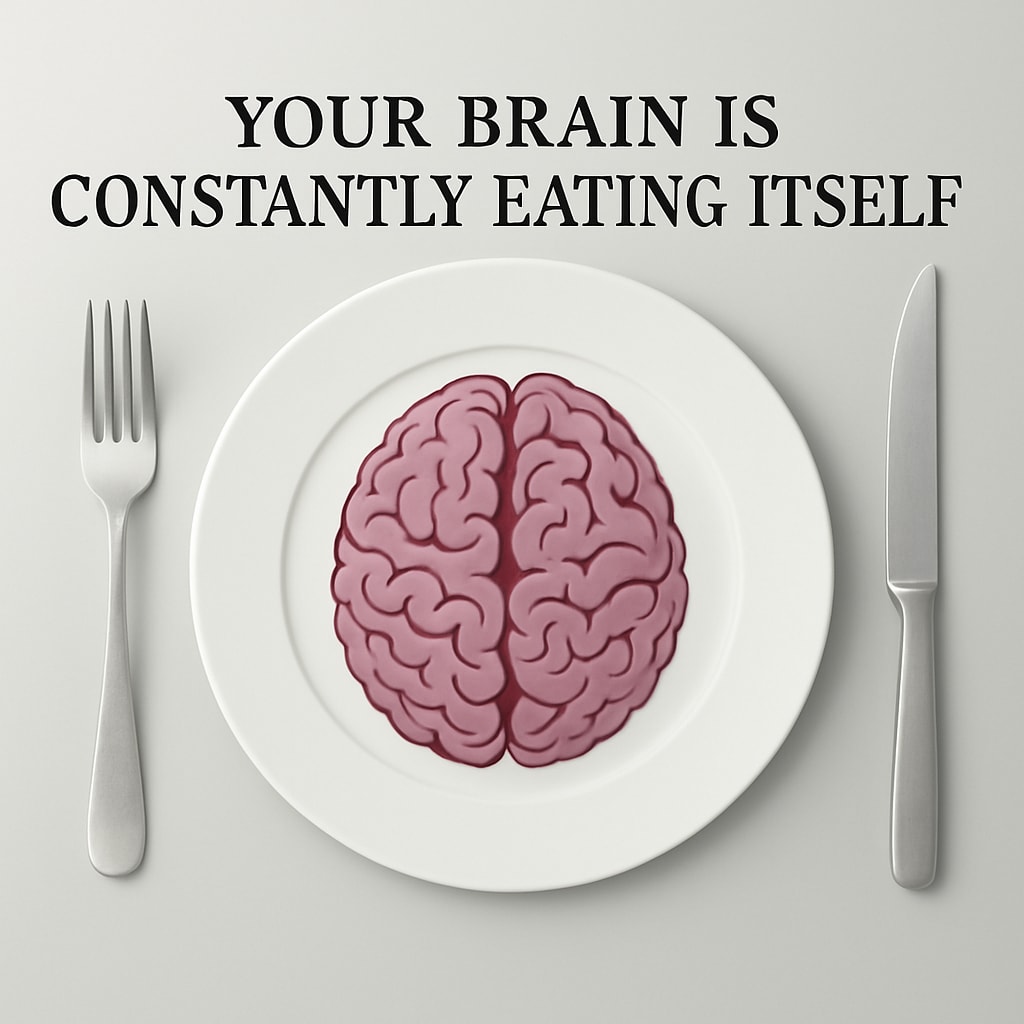
It sounds like something out of a horror film: your brain is constantly eating itself. But don’t be alarmed. This strange-sounding process is actually a vital part of how your brain stays healthy, efficient, and adaptable. Far from being destructive, it’s a key function that keeps your thoughts sharp and your body in balance.
For many years, scientists believed that the adult brain was mostly static—that once we reached maturity, our brain’s structure and function were largely set in stone. However, modern neuroscience has proven this belief wrong. We now understand that the brain is far more flexible, capable of forming new connections, adapting to change, and even reorganizing itself after injury. This quality is known as neuroplasticity.
But with this incredible adaptability comes the need for maintenance. And one of the brain’s most fascinating methods of self-care involves literally breaking down and consuming parts of itself in a process known as phagocytosis.
What Is Phagocytosis?
Phagocytosis is a cellular process where certain cells engulf and digest other cells, debris, or harmful substances. It’s often described as “cell-eating” and plays a major role in the body’s immune system. White blood cells, for example, use phagocytosis to destroy bacteria and viruses that invade the body.
But phagocytosis isn’t just for fighting off infections. In your brain, specialized immune cells called microglia perform a similar role. These microglia are constantly scanning the environment within your brain, looking for damaged neurons, misfolded proteins, dead cells, and weak or unnecessary synapses (connections between neurons). When they find such waste, they envelop it and break it down, essentially digesting it.
This ongoing cleaning process is not only normal—it’s crucial. Your brain is an incredibly busy organ. Even though it only accounts for about 2% of your total body weight, it uses up nearly a third of your body's available energy at any given time. Billions of neurons are firing, communicating, and working together every second of the day. Naturally, this intense level of activity generates a lot of biological “trash.”
If this waste were left to accumulate, it could interfere with brain function—much like how garbage piling up in a neighborhood would block streets and disrupt daily life. So your brain relies on microglia and phagocytosis to remove this clutter and keep everything running smoothly.
The Role of Sleep
Interestingly, one of the times when this cleanup process is most active is during sleep. While your conscious mind rests, your brain’s maintenance systems kick into high gear. One important mechanism is the glymphatic system, a network that helps flush waste from the brain. During sleep, the brain's cells actually shrink slightly, creating more space for this fluid to flow and remove toxins and debris.
Microglia also become more active at night, targeting and eliminating unwanted material. Some scientists believe this nightly cleaning is one of the primary reasons we need sleep in the first place. Without enough rest, the brain’s garbage disposal system slows down, allowing toxic waste to build up. This buildup has been linked to cognitive issues like memory loss and, over time, to serious conditions such as Alzheimer’s disease.
Why This Matters
Understanding that your brain is constantly eating itself might sound disturbing at first, but it’s actually a sign of its incredible resilience and intelligence. This natural, built-in recycling system helps your brain adapt, grow, and stay healthy throughout your life.
Microglia don’t just remove waste—they also help reshape your brain by pruning unused or weak synaptic connections. This is especially important during periods of development, like childhood and adolescence, but it continues into adulthood as well. When you learn a new skill or habit, your brain strengthens certain pathways while clearing out others that are no longer needed. It’s a process of constant renewal, guided in part by these cellular “cleaners.”
So the next time you think about your brain consuming itself, try to see it not as destruction, but as self-care at the cellular level. Your brain is a master of maintenance, constantly cleaning, optimizing, and evolving—even while you sleep.
In short, your brain is always working behind the scenes, doing what it must to ensure that you remain sharp, focused, and ready to take on whatever comes next. And yes, that includes eating itself.
About the Creator
Rivian R2: A New Chapter in Electric Adventure Vehicles
Electric vehicles are no longer rare sights on the road, yet some announcements still capture public imagination in a powerful way. The Rivian R2 is one of those moments. When people first heard about this upcoming SUV, curiosity spread quickly. Drivers who love outdoor travel, quiet roads, and modern technology started wondering what Rivian might create next. The company already built a reputation for electric trucks and SUVs designed for exploration. Now the Rivian R2 promises something different: a vehicle that could bring that spirit to a wider audience. It represents more than a new model. For many people watching the electric vehicle market, the Rivian R2 signals a shift toward practical adventure, everyday usability, and a future where electric driving feels natural.
By Muqadas khan4 days ago in Futurism
AI in Recruitment Market to hit USD 2.6 Billion By 2033
The global AI in Recruitment Market is expanding steadily as organizations adopt intelligent technologies to improve hiring efficiency and workforce planning. The market is projected to reach approximately USD 2.6 billion by 2033, increasing from USD 0.8 billion in 2023, reflecting a 12.4% CAGR during the forecast period from 2024 to 2033.
By Roberto Crumabout 2 hours ago in Futurism



Comments
There are no comments for this story
Be the first to respond and start the conversation.