
The 5 Best Ways to Prevent Tension Headaches — Doctor-Backed Tips for Long-Term Relief
Simple, doctor-backed tips to relieve muscle tension and keep headaches at bay—no medication required.

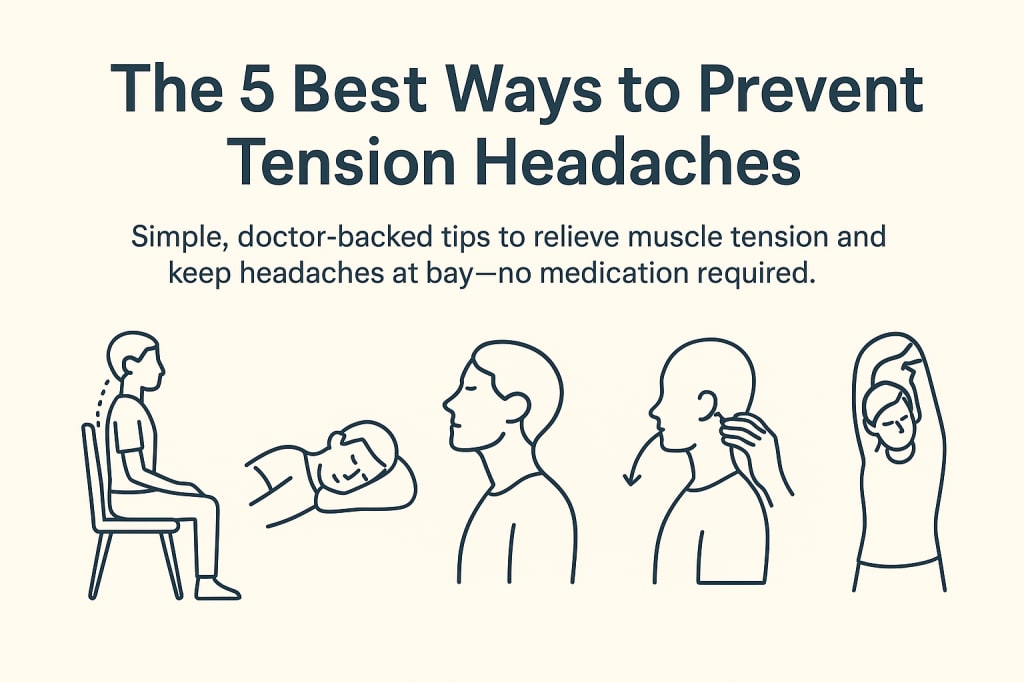
If you've ever experienced that dull, persistent ache that seems to radiate from the back of your neck or the base of your skull, you're not alone. Tension headaches are among the most common types of headaches, and they can interfere with your ability to focus, work, or simply enjoy your day. The good news? You can take simple, practical steps to reduce their frequency and intensity.
You might’ve heard people mention the so-called “headache bone”—that tender area at the base of your skull where pain often seems to start. While it’s not actually a bone causing the problem, that region is certainly involved. It includes the occipital bone, yes, but more importantly, it houses a group of small yet powerful muscles called the suboccipital muscles.
These muscles are essential for head movement and maintaining posture. When they become tight, fatigued, or overworked—often due to poor posture, stress, or long hours at a desk—they can trigger tension headaches and neck discomfort. Luckily, there are several things you can do to help reduce this kind of pain before it starts. Here are five of the best, doctor-approved ways to prevent tension headaches.
---
1. Fix Your Posture: Align Your Spine and Head
One of the leading causes of tension headaches is poor posture—especially the forward head posture that happens when you’re glued to your phone or computer for hours. This causes strain on the neck and suboccipital muscles, leading to stiffness and pain.
To correct this, imagine a string pulling you upward from the crown of your head, gently lengthening your spine and realigning your neck with your shoulders. Make sure your workstation is ergonomically optimized: your screen should be at eye level, your chair should support your lower back, and your feet should rest flat on the floor.
When sitting or standing, keep your ears in line with your shoulders—not jutting forward. Regular posture checks throughout the day can make a big difference in reducing muscle strain and preventing tension headaches from creeping in.
---
2. Sleep Smart: Choose the Right Pillow and Sleep Position
Believe it or not, the way you sleep can either aggravate or ease tension in your neck and shoulders. A pillow that’s too high, too flat, or doesn’t support the curve of your neck can strain the suboccipital muscles overnight, setting the stage for morning headaches.
For back sleepers, a contoured memory foam pillow that cradles the head and supports the neck's natural curve can be especially beneficial. Side sleepers should ensure their pillow keeps the neck aligned with the spine. It might take a bit of trial and error, but investing in the right pillow can go a long way in preventing tension headaches.
Also, be mindful of your sleep hygiene—poor-quality sleep or inconsistent sleep schedules can worsen headache frequency. Aim for 7–9 hours of restful sleep each night.
---
3. Stretch It Out: Gentle Neck Exercises for Relief
Tension headaches often stem from stiff, overworked muscles. Incorporating a few gentle neck stretches into your daily routine can loosen tight areas and restore mobility.
One effective stretch is the chin tuck: sit or stand upright and gently draw your chin toward your neck (like making a double chin). Hold for five seconds and repeat 5–10 times. This move helps lengthen the muscles at the base of your skull and realign your posture.
You can also try slow, controlled neck rolls, side-to-side neck tilts, or shoulder rolls. Performing these stretches a few times daily—especially during breaks—can reduce stiffness and promote circulation in the neck and shoulder region.
---
4. Massage: Target Pressure Points for Quick Relief
Massage is a powerful tool for relieving muscle tension and improving blood flow—two key contributors to tension headaches. Focus on the base of your skull and the back of your neck, applying gentle but firm pressure using your fingertips or a massage tool like a tennis ball.
To use a tennis ball, place it between your upper neck and a wall or the floor, and gently roll it around to release tight spots. Even a few minutes of massage can help melt away stress and reduce headache intensity.
Massaging your temples, forehead, and jaw can also help if your headaches are triggered by stress or clenching.
---
5. Take Frequent Breaks: Don’t Stay Static Too Long
Sitting in the same position for extended periods—especially if your posture isn’t perfect—can cause muscle fatigue and trigger headaches. That’s why it’s crucial to take short breaks throughout your day.
Try the 20-20-20 rule: every 20 minutes, look 20 feet away for at least 20 seconds. Every 30 to 60 minutes, stand up, stretch, and walk around for a few minutes to reset your posture and relieve pressure on your neck muscles.
Even small changes—like alternating between sitting and standing or using a standing desk—can prevent tension from building up.
---
Final Thoughts: Prevention Is Powerful
Tension headaches can be frustrating and disruptive, but they don’t have to take over your life. By making small, consistent changes to how you sit, sleep, stretch, and care for your muscles, you can significantly reduce both the frequency and severity of headaches.
However, if your headaches are persistent or worsening, it’s important to talk to a healthcare provider. Sometimes, underlying medical conditions or other headache types (like migraines) may be the cause.
About the Creator
Client Confidence First: Building Trust Through Open Communication in Finance
Client confidence represents the foundation of every successful financial relationship. When clients trust their advisors, institutions, or service providers, they feel secure making important decisions about their money. Because financial choices often involve long-term planning and significant risk, clients need clarity and reassurance. Therefore, professionals who prioritize confidence build stronger, more stable partnerships.
By Michael Christopher Venturinoabout 9 hours ago in Education
How Magnetic Fields Shape Solar Activity: The Hidden Power Behind Solar Flares and Sunspots
At first glance, the Sun appears calm and steady—a glowing sphere lighting our skies every day. Yet beneath this peaceful appearance lies a star constantly shaped by powerful and invisible forces. These forces twist, stretch, and reshape the Sun’s surface, producing dramatic events such as sunspots, solar flares, and massive eruptions of energy.
By shahkar jalal2 days ago in Education




Comments
There are no comments for this story
Be the first to respond and start the conversation.